

Namaste! India’s history is woven with the inspiring stories of countless individuals who bravely stood up for truth, righteousness, and equality. Among these luminous figures is a pioneering social reformer from the 19th century whose profound courage continues to inspire us today. Her timeless activism and thought-provoking writings boldly questioned the patriarchal norms of her era, deeply influencing the ongoing journey toward true gender equality. Delving into her extraordinary contributions helps us understand the complex cultural landscape of 19th-century India.
Early Life and Cultural Background
This visionary leader, famously known as Tarabai Shinde, was born in 1850 in Buldhana, located in the Berar Province of present-day Maharashtra. She was raised in a progressively minded Marathi family that deeply valued the light of knowledge. Her father, Bapuji Hari Shinde, served as a head clerk and was a radical thinker in his own right. Because schools for girls were virtually non-existent in their area, her father took it upon himself to homeschool her. He lovingly taught her Marathi, Sanskrit, and English, opening her mind to a vast world of classical and modern literature.
Growing up in a household where intellect and progressive thinking were nurtured naturally shaped her worldview. Being a voracious reader, her education became the bedrock of her lifelong dedication to uplifting the marginalized and rethinking deep-seated societal structures.
Literary Masterpiece and Feminist Discourse
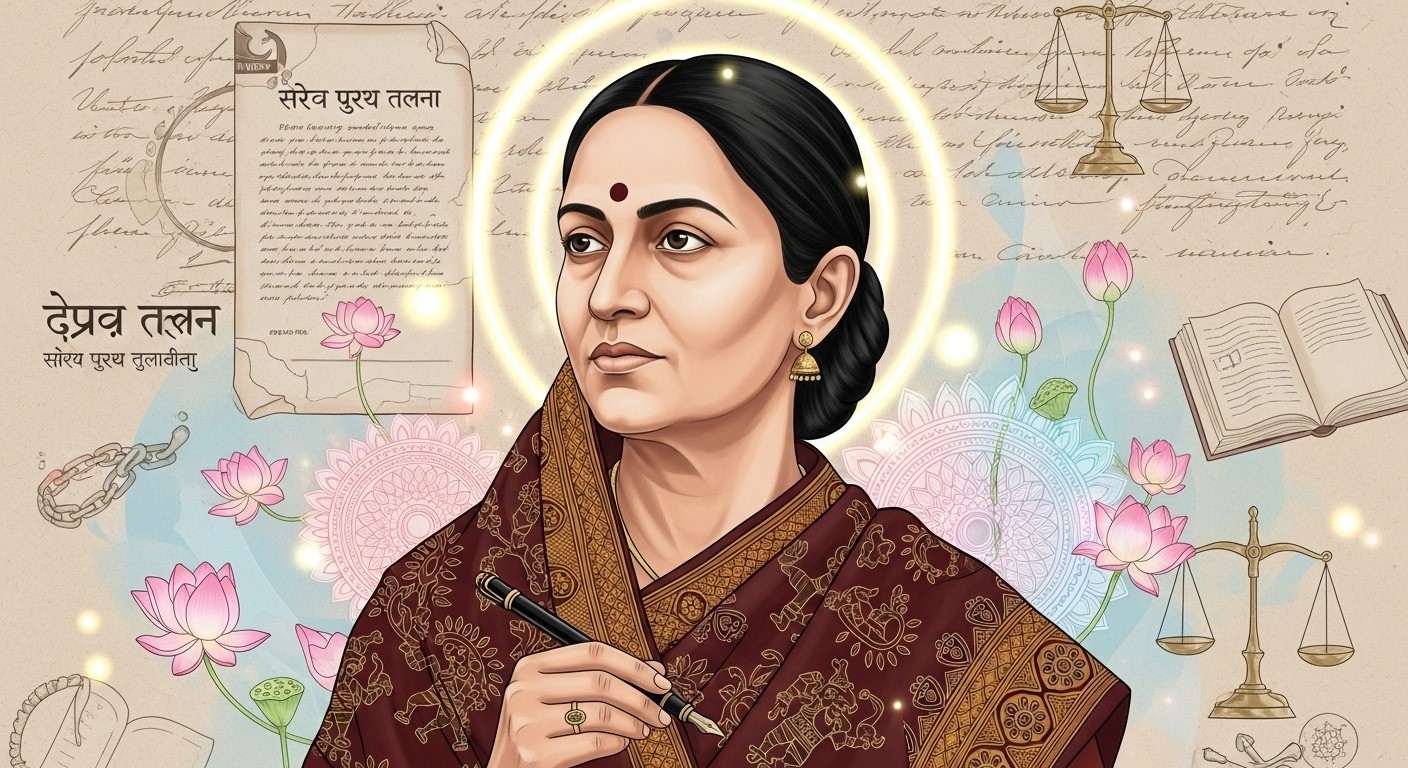
Her most celebrated literary contribution, published originally in Marathi in 1882, is the iconic text Stri Purush Tulana (A Comparison Between Women and Men). This brilliant pamphlet is widely acknowledged today as India’s first modern feminist text.
- A bold critique of societal norms: The essay fearlessly dismantled the logic behind caste inequality and patriarchal dominance, using sheer rationality and profound empathy. It argued eloquently that both men and women share the same human flaws and virtues, questioning why only women should face the brunt of societal restrictions.
- Challenging the status quo: At a time when questioning orthodox traditions was highly controversial, she courageously critiqued certain patriarchal interpretations of religious scriptures that were used to justify the oppression of women. Her writings shone a bright light on the desperate need to educate and empower women across all communities.
Activism and Lifelong Advocacy
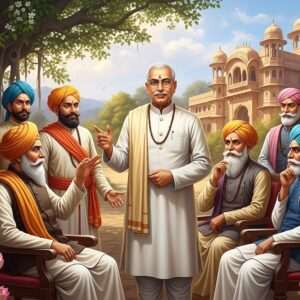
Beyond being a brilliant writer, this pioneering thinker was a fiercely dedicated activist. She closely collaborated with esteemed social reformers Jyotirao and Savitribai Phule. Sharing their vision for a more equitable society, she became a prominent member of their Satyashodhak Samaj, or “Truth Finding Community”.
- Eradicating social injustices: Through this revered organization, she passionately campaigned against deeply entrenched social evils, fighting to eliminate caste discrimination and the heart-wrenching struggles faced by young widows. Her work was instrumental in building a strong foundation for early women’s rights advocacy in India.
- Championing women’s welfare: She consistently brought vital attention to the physical and emotional well-being of women. Her relentless activism pushed for widespread educational reforms, ensuring that future generations of daughters could dream bigger, live healthier, and participate fully in society.
Enduring Hardships and Cultural Resilience
The path of a trailblazer is rarely an easy one. Despite her noble intentions, her outspoken ideas faced tremendous backlash from the conservative press and society of her time. Because she dared to raise her voice in a male-dominated environment, attempts were often made to discredit her profound logical arguments and prevent her from publishing further.
Yet, her spirit remained unbroken. Her sheer resilience in the face of such adversity is a beautiful reminder of the strength inherent in Indian womanhood. She persisted against all odds, leaving behind an indestructible legacy that paved the way for modern social reforms.
Embracing Our Roots with Authentic Traditions
Understanding the context of such great historical figures often brings us closer to our own roots and cultural identity. At Poojn.in, we understand the deep connection our community feels with Indian heritage. Just as history’s great thinkers cherished our culture, we aim to bring you closer to it through our authentic puja essentials.
While we do not sell books, biographies, or offer travel packages and VIP darshan services, we do help you stay connected to your faith through our premium products. We invite you to explore our exquisite collection of cultural goods and handcrafted artifacts at https://www.poojn.in, India’s most trusted online store. For a seamless shopping experience and to get the finest cultural items delivered directly to your doorstep, feel free to connect with us on WhatsApp at 9476142738 or call us at 03369029784.
Enduring Legacy and Inspiration
The groundbreaking work of this 19th-century Marathi activist laid a robust foundation for countless social reformers who followed in her footsteps. Her lasting influence on the discourse surrounding gender equality and human rights in India is immeasurable. Today, scholars, feminists, and everyday citizens commemorate her courage, knowing that her timeless ideas remain incredibly relevant.
Her remarkable journey from a quiet town in Maharashtra to becoming a fiercely inspirational voice reminds us of the transformative power of education and resilience. She truly exemplifies the fearless spirit needed to envision and build a kinder, more equitable society for all.
Frequently Asked Questions About Tarabai Shinde
Who was Tarabai Shinde? She was a trailblazing social reformer and writer from Maharashtra, India, best known for her outspoken views advocating for the dignity, equality, and empowerment of women during the late 1800s.
What is her most celebrated contribution to literature? Her defining legacy is her powerful 1882 book, “Stri Purush Tulana,” a brilliant essay that logically challenged societal norms, patriarchal structures, and the unequal treatment of women in 19th-century India.
Where did she spend her early life? She was born and lived in Buldhana, located in the Berar Province of Maharashtra, where she actively engaged in progressive social reform movements alongside other legendary thinkers of her era.
What was her specific role in Indian social reform? Her remarkable contributions included fighting tirelessly for women’s education, standing up against the mistreatment of widows, and dismantling gender and caste inequalities through her association with the Satyashodhak Samaj.
Why is she revered as a foundational social reformer? She is deeply respected because she was one of the very first modern voices to critically analyze and bring public attention to gender inequalities, bravely pushing for long-term social change in a deeply orthodox era.
What makes her ideas so significant in today’s world? Her intellectual arguments laid the groundwork for contemporary discussions on gender equality. Her courage to speak truth to power continues to inspire new generations of thinkers and activists.
How did her efforts shape the women’s rights movement in India? By providing a well-reasoned and powerful voice against discrimination, she broke the silence around women’s issues, empowering others to join the pursuit of true social justice and community healing.
Can I read a detailed biography about her life? Yes, numerous modern biographies, academic articles, and feminist historical accounts lovingly explore her fascinating life and her monumental contributions to Indian society.