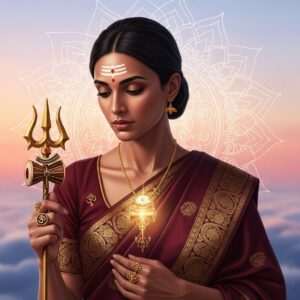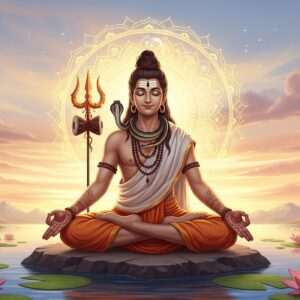

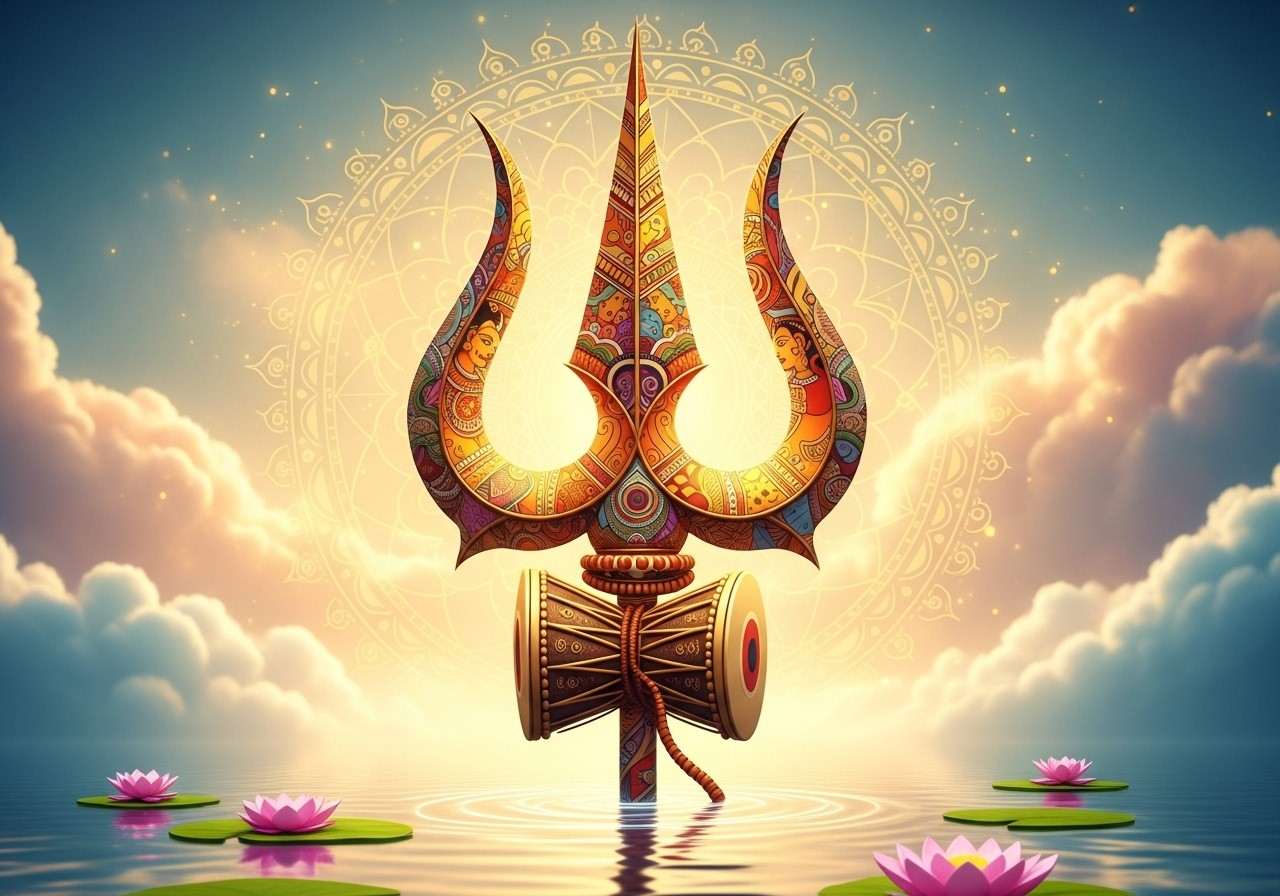
For millions of us across India, the divine trident of Bholenath is far more than just a mythological weapon. It is a profound symbol representing the delicate balance between creation, preservation, and destruction. As we navigate the complexities of our modern, fast-paced lives, finding ways to connect with our spiritual roots offers immense peace and grounding. This guide will take you on a beautiful artistic journey, exploring how to properly sketch this sacred emblem while deeply understanding its cultural resonance. For countless devotees, putting pencil to paper to recreate this divine symbol is a meditative practice that brings the auspicious blessings of Mahadev straight into their homes.
Understanding the Deep Spiritual Symbolism
Before you begin your sketch, it is essential to understand the spiritual weight of what you are about to create. The three prongs of the divine weapon beautifully capture the essence of time itself: our past, our present, and our future. Furthermore, they signify the three fundamental human qualities or gunas—sattva (absolute purity and spiritual goodness), rajas (passion and dynamic activity), and tamas (rest and grounding inertia). When you truly grasp these profound traditional meanings, your artwork effortlessly transforms from a simple drawing into a deeply personal, heartfelt offering to the divine.
Essential Materials for Your Sacred Artwork
Creating devotional art requires mindfulness, and that intention starts with the very materials you choose to use in your puja room or sacred space. Gathering high-quality, authentic supplies sets a pure and respectful foundation for your creative journey. Here is what you will need to get started:
- Premium or Handmade Paper: Selecting a sturdy, traditional canvas or handmade paper not only honors our rich cultural roots but also ensures your devotional art stands the test of time. It provides a beautiful, earthy texture that perfectly complements traditional, spiritual sketches.
- Drawing Instruments and Compasses: You will need good quality pencils, a reliable eraser, and a sturdy ruler to maintain the perfect symmetry of the divine weapon. Using a geometric compass can also be incredibly helpful for drafting those precise, intricate curves around the central shaft.
- Natural Colors and Ritual Brushes: To truly breathe life into your artwork, opt for natural pigments and dedicated painting brushes that you reserve purely for sacred art. Treating your tools with the utmost respect elevates the entire artistic process into a beautiful form of worship.
Step-by-Step Guide and Popular Tutorials for 2026
If you are looking to create a beautiful sketch this year, there are several wonderful online tutorials tailored for 2026 to gently guide you. Begin by lightly sketching the central shaft, ensuring the side prongs are perfectly symmetrical and balanced to reflect divine harmony. Slowly introduce intricate traditional elements like blooming lotus petals, sacred flames, or the holy damaru (drum) to enrich the final design.
For up-to-date guidance and visual inspiration, here are some excellent video tutorials you must refer to in 2026:
- How to Draw Trishul by Draw Smart: This highly recommended tutorial is absolutely perfect for beginners who are just starting their artistic journey. It gently guides you through a very easy, step-by-step process so you never feel overwhelmed while drawing.
- How to Draw a Perfect Trishul (Trident) Tutorial: Designed for both absolute novices and seasoned art enthusiasts, this comprehensive guide helps you master the exact proportions. It focuses heavily on creating a flawless, perfectly symmetrical sketch of Lord Shiva’s iconic weapon.
- Mahakal Trishul Mandala Art 2026: If you want to merge modern therapeutic art with deep spirituality, this easy mandala design tutorial is an absolute must-watch. It beautifully combines the calming, meditative practice of mandala drawing with the powerful, protective energy of Bholenath.
- How to draw shivling with Trishul easy step by step 2026: This highly requested tutorial shows you exactly how to pair the divine weapon with the sacred Shivling. It is perfect for creating a complete, spiritually uplifting representation for your home altar or living space.
- Maha Shivratri Special Trishul Drawing: When the highly auspicious night of Maha Shivratri approaches, this specific tutorial helps you craft a magnificent pencil sketch. It is a wonderful way to offer your creative devotion during one of our most important Hindu festivals.
Exploring Artistic Styles and Meaningful Applications
While traditional representations often focus on raw simplicity and powerful metallic hues like brass or copper, modern devotees are discovering exciting new ways to express their faith. You might choose to incorporate vibrant, bold colors to give the classic design a contemporary, uplifting feel that matches your home decor. Regional art styles from across India also deeply influence these designs, adding beautiful local flavor and diverse cultural richness to the artwork.
Beyond a simple paper sketch, these sacred motifs hold immense versatility in our daily lives. Devotees frequently apply these beautiful designs to personalized clothing, traditional home decor items, or even customized spiritual jewelry. Bringing these sacred symbols into your everyday routine helps maintain a continuous, comforting connection with the divine energy of Mahadev.
How Poojn.in Can Support Your Devotional Art Journey
At Poojn.in, we completely understand that engaging in spiritual art is a deeply personal and sacred practice for you and your family. We offer an authentic, carefully curated selection of cultural goods designed specifically to enhance your devotion and artistic expression. Our online store provides the perfect, high-quality materials you need for creating your spiritual masterpiece at home.
We take immense pride in offering natural colors that are ideal for drawing sacred motifs, alongside specially designed ritual brushes that allow for precise, respectful art creation. You can also easily find premium canvases that are perfectly suited for proudly displaying your heartfelt devotional artwork in your home temple. By choosing authentic cultural goods from Poojn.in, you ensure your creative process remains deeply rooted in our cherished traditions and purity.
Shopping online with us brings the rich cultural heritage of India directly to your doorstep with absolute convenience and trust. For any assistance in finding the right ritual materials, feel free to warmly contact our supportive team at 03369029784 or comfortably reach out via WhatsApp at 9476142738.
Embracing the Beautiful Journey of Devotion
Every single line and careful curve you draw is a lasting testament to your faith and a joyous celebration of our glorious Hindu heritage. Engaging in this sacred art form is a heartfelt emotional offering that binds our ancestral past with our present devotion. Whether you are using traditional natural pigments or modern digital tools, your dedication helps preserve this beautiful legacy, ensuring that the profound symbolism of Lord Shiva’s divine energy continues to inspire our future generations.
Frequently Asked Questions About Devotional Art
What is the deeper significance of this divine weapon in Hindu tradition?
This sacred emblem is a profoundly powerful symbol representing Lord Shiva’s divine energy and ultimate protection. It stands for the complete removal of ignorance and negative forces from our lives, making it a highly revered motif in our daily rituals and traditional ceremonies.
How should a beginner start sketching this sacred symbol?
The most effective way to begin is by lightly sketching a central vertical shaft, followed by the three distinct prongs at the very top. It is incredibly important to focus on symmetry and balance, ensuring that the left and right prongs curve equally to honor the aesthetic and balance of the divine weapon.
What are the best materials for creating this spiritual artwork?
Depending on your personal comfort, you can use anything from simple graphite pencils and fine-liner pens to rich, natural paints. Using a high-quality traditional paper or canvas as your foundation, along with a reliable ruler and eraser, will give you the precision needed for a truly respectful depiction.
Are there modern tutorials available online for inspiration?
Absolutely, the internet is filled with wonderful resources and step-by-step video guides, especially newly updated ones for 2026. You can easily find inspiring tutorials that teach everything from basic outlines to intricate mandala fusions, helping you beautifully elevate your creative expression.
Why is incorporating this design so important in devotional art?
Drawing this specific traditional emblem directly connects the artist to centuries of rich spiritual heritage and divine protection. It adds immense cultural depth and a sense of meditative peace to your artwork, transforming a simple hobby into a deeply meaningful act of worship.
What techniques help in perfecting the final drawing?
Patience, devotion, and consistent practice are your best friends when perfecting this traditional art. Paying close attention to the smooth flow of your lines and experimenting with gentle shading techniques will give the sketch a realistic, metallic depth that truly brings the artwork to life.
Can this traditional emblem be adapted into modern artistic styles?
Yes, many contemporary artists are beautifully blending this ancient symbol with modern, fresh aesthetics. You can easily maintain its sacred traditional essence while experimenting with bright, vivid colors, modern abstract patterns, or intricate geometric backgrounds.
Where are the best places to showcase this completed sacred art?
Once your devotional piece is complete, framing it elegantly for your home puja room or living space brings wonderful positive energy to your environment. You can also proudly share your beautiful creations on online platforms to inspire fellow devotees and celebrate our shared, vibrant cultural heritage.