


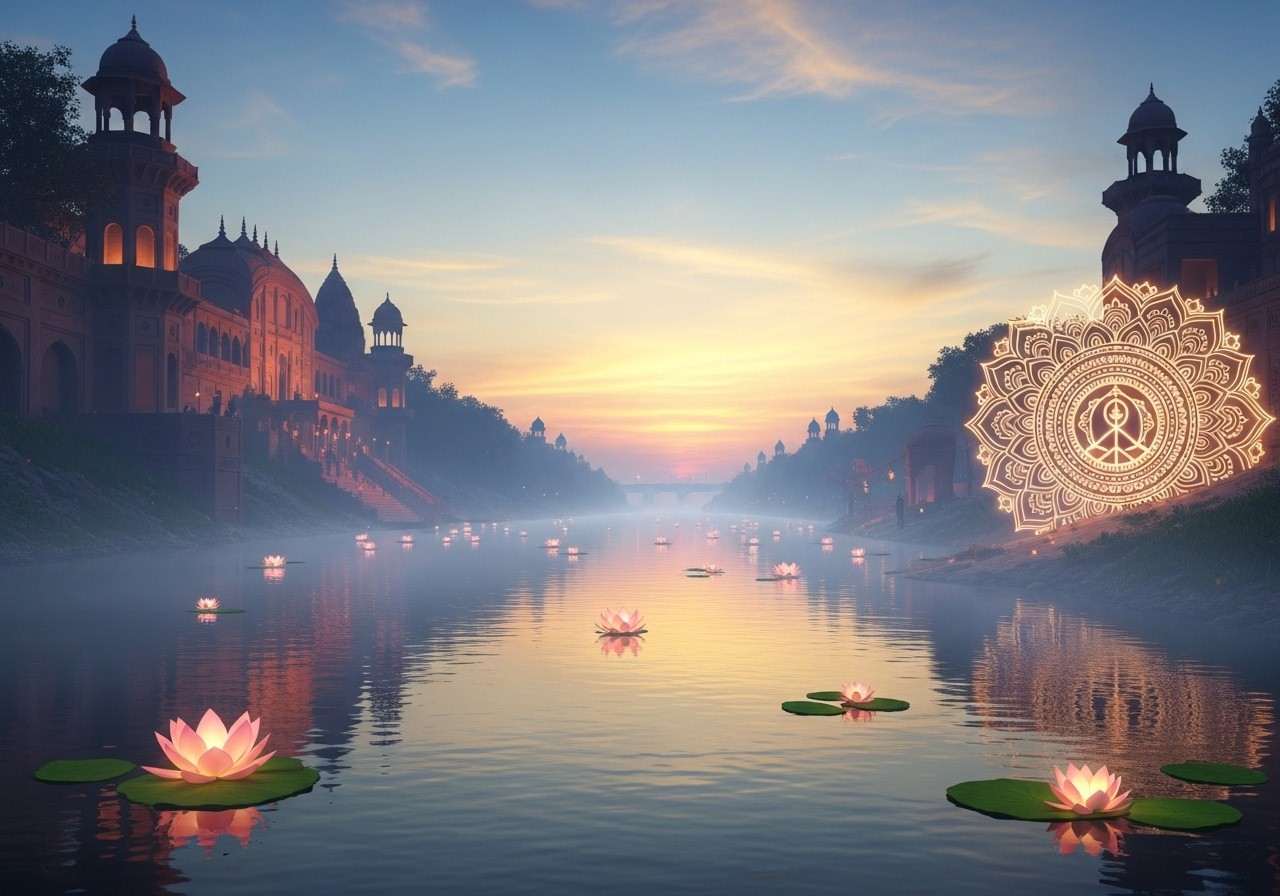
The Ganges, affectionately revered as Mother Ganga, takes many majestic forms to bless the Indian landscape. In the vibrant state of West Bengal, she gracefully flows as the mighty Hooghly River. This sacred waterway is deeply intertwined with our heritage, touching the daily lives and spiritual practices of countless families residing along its historic banks. For those of us who deeply value our cultural traditions, understanding the physical dimensions of this river—such as its shifting depths and dynamic flow—gives us a profound appreciation for the natural forces that sustain our rituals and our livelihoods.
The Historical and Cultural Heartbeat of Bengal
For generations, the gentle ripples of this magnificent river have supported thriving civilizations and witnessed the rise of great cities. It has been the nurturing force behind trade, art, and vibrant commerce, especially during the colonial era when it connected local markets to the wider world. Beyond its economic value, the waterway is the soul of our religious observances. Think of the breathtaking moments during Durga Puja, when beautifully crafted idols are lovingly immersed into these very waters. It is a sight that evokes deep emotion and spiritual renewal. Countless poets, musicians, and artists have drawn endless inspiration from its shores, making its historical relevance an irreplaceable part of our everyday folklore.
A Geographical Marvel
Stretching across a majestic distance of approximately 260 kilometers, this essential distributary weaves its way through bustling, historic cities like Kolkata and Howrah. Its expansive journey formally begins at the holy town of Nabadwip, born from the sacred confluence of the Bhagirathi and Jalangi rivers. The average width of its upper section ranges delightfully from 0.5 to 1 kilometer, providing a dynamic landscape that supports everything from local fishing boats to grand ferry crossings. By eventually merging with the Bay of Bengal, the river maintains a delicate environmental balance, beautifully impacting the local ecosystems and rich biodiversity that depend on its nurturing presence.
Understanding the River’s True Depths
The sheer scale of this waterway is truly humbling when we look beneath the surface. The river reaches a staggering maximum depth of 117 meters, a testament to its powerful natural carving over millennia. However, the depth is incredibly dynamic, influenced heavily by seasonal monsoons, tidal behaviors, and natural siltation. In its upper stretches from Biswanathpur down to Diamond Harbor, the average depth hovers around 4 meters below the dominant stage level. As it flows closer to the sea, these depths expand dramatically from 4 to 20 meters.
Because these waters are so crucial for larger vessels, continuous dredging operations are essential. The Calcutta Port Trust dedicates significant resources annually to maintain a navigable depth of around 10 meters. Today, modern satellite data is wonderfully utilized to map out safer, deeper routes and identify shallow shoaling areas, ensuring that the traditional flow of commerce and daily life remains uninterrupted.
The Dynamics of the Divine Flow
The energy of this river is uniquely characterized by its tidal nature, featuring a strong tidal bore that beautifully dictates its daily rhythm. During powerful spring tides, the tidal range can surge up to an awe-inspiring 5.5 meters. Much of its steady freshwater supply is graciously drawn from the Farakka Feeder Canal, while important tributaries like the Ajay, Damodar, Rupnarayan, and Haldi rivers generously add to its majestic flow.
The discharge rates are equally phenomenal. During high tide at Haldia, sea fluxes can reach up to 45,800 cubic meters per second, peaking even higher at 50,000 cubic meters per second near Gangra. Meanwhile, the steady freshwater flow maintains a calm 1,100 cubic meters per second. Modern hydraulic models are actively used by environmental experts to monitor these fluctuations, helping to manage flood risks, sediment transport, and the overall ecological health of this lifeline.
Protecting Our Sacred Ecosystem
While the river abundantly blesses us, it also faces significant modern challenges. The heavy sediment load frequently leads to shoaling and shifting channels, while silt accumulation on the western bank unfortunately triggers erosion on the eastern side, particularly affecting rural communities in South 24 Parganas and parts of Kolkata. Furthermore, pollution from industrial and urban runoff stresses the delicate aquatic life that calls these waters home. Thankfully, ongoing sustainable initiatives, comprehensive hydraulic modeling, and dedicated river training works are being employed to preserve its natural flow, honoring our duty to protect this divine resource for future generations.
Bringing the Spirit of the River into Your Home with Poojn
When we stand by the revered ghats, offering our heartfelt prayers to the flowing waters, we seek a deep, undisturbed connection with the divine. For these deeply personal and sacred moments, having the right spiritual items is essential. Poojn.in takes immense pride in being India’s premier destination for authentic cultural and ritual goods. We understand that your devotion requires purity, which is why our online store offers an exquisite range of products meticulously sourced to honor our rich heritage.
Please note: We strictly focus on providing you with the highest quality physical goods for your personal rituals. We do not offer travel packages, spiritual guidance, or VIP darshan services at temples.
Meaningful Offerings Available at Poojn.in
- Complete Puja Samagri Kits: Our thoughtfully assembled kits contain all the vital elements you need for performing traditional riverside rituals with absolute devotion. From pure, fragrant incense sticks to vibrant, natural kumkum, every single item is carefully sourced to ensure your prayers are as pristine as your faith.
- Handcrafted Brass Utensils: Offering holy water to the river is a timeless, sacred tradition that requires the right vessels. Our authentic brass utensils are beautifully crafted by skilled artisans to maintain the utmost purity during your daily offerings, perfectly reflecting the enduring spirit of our vibrant cultural heritage.
- Sacred Texts and Spiritual Literature: Deepen your personal understanding of river worship and our profound traditions through our extensive collection of holy books. These thoughtfully selected texts offer deep insights into the divine significance of holy rivers in Hindu philosophy, helping you connect more intimately with our ancient wisdom.
Embracing your traditions has never been more convenient. Simply visit our website to explore our cherished collections and bring purity into your home. Should you need any assistance, our warm and welcoming team is always here for you—feel free to contact us at 03369029784 or gracefully drop a WhatsApp message at 9476142738.
Honoring a Timeless Legacy
This majestic waterway is much more than a geographical marvel; it is a living, breathing symbol of Bengal’s enduring strength and spiritual wealth. Its shifting depths and powerful currents mirror the very resilience of the communities it sustains. By treating its waters with profound respect and advocating for its environmental well-being, we honor the legacy of our ancestors. Let us actively cherish this divine connection, safeguarding the river’s purity so it may endlessly inspire, nourish, and uplift us all.
Frequently Asked Questions About the River’s Dimensions
How deep is the Hooghly River?
Understanding the depths of this mighty waterway reveals its sheer scale and grandeur. The river reaches an impressive maximum depth of 117 meters, though this varies significantly depending on the region. In its upper stretches from Biswanathpur to Diamond Harbor, the average depth sits around 4 meters. As it journeys toward the sea, navigational depths expand between 4 to 20 meters, carefully maintained by regular, dedicated dredging operations.
What is the length of the Hooghly River?
For those tracing its sacred and historical journey, the river spans a remarkable distance. It stretches for approximately 260 kilometers, carrying life, vibrant culture, and essential commerce through bustling cities like Kolkata and Howrah before gracefully surrendering to the vast Bay of Bengal.
How wide is the Hooghly River?
The expanse of the river beautifully changes as it flows toward the sea, reflecting its truly dynamic nature. In its upper parts, the average width ranges comfortably from 0.5 to 1 kilometer. This broad stretch provides ample space for traditional ferries, local fishermen casting their nets, and large commercial vessels safely navigating its waters.
Where does the Hooghly River originate?
The birth of this essential distributary is a fascinating geographical and spiritual event. It is formally formed by the sacred confluence of the Bhagirathi and Jalangi rivers at the holy town of Nabadwip. A significant portion of its water volume is also gracefully drawn from the Farakka Feeder Canal, beautifully continuing the divine, uninterrupted flow of Mother Ganga.
Why is the Hooghly River important for trade?
Commerce and tradition have always flowed harmoniously hand in hand along these historic banks. Thanks to navigational depths maintained around 10 meters by continuous dredging efforts, large cargo vessels can safely reach the vital Kolkata port. This constant, rhythmic movement of goods has historically shaped the region’s immense prosperity and continues to do so in modern times.
What cities does the Hooghly River flow through?
The river acts as a nurturing, protective mother to numerous urban settlements along its scenic course. It gracefully passes through historically significant cities like Kolkata, Howrah, and Hooghly, serving as the cultural heart and economic backbone for millions of proud residents who call these vibrant places home.
How does the Hooghly River impact agriculture?
Beyond its abundant spiritual blessings, the river provides tangible, life-giving nourishment to the earth. Its fertile, silt-rich banks and a steady fresh water flow of around 1,100 cubic meters per second support essential agricultural activities in the region. This abundant water supply remains an absolute lifeline for our hardworking local farmers growing staple crops like rice and jute.
Why is the Hooghly River considered divine?
To the deeply rooted people of Bengal, this waterway is far more than just a physical geographical feature on a map. It is lovingly revered as a sacred manifestation of the divine, serving as the spiritual focal point for countless daily rituals, prayers, and major cultural festivals. Its holy waters are universally believed to wash away our worldly hardships and bring profound spiritual peace to the soul.