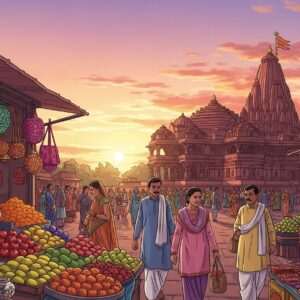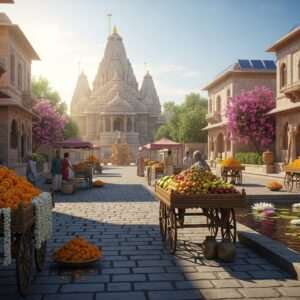

Nestled beautifully in the heart of the Karbi Anglong district, Howraghat is a serene town that effortlessly captures the true spirit of Assam. Surrounded by picturesque rolling hills, lush green plains, and the gentle currents of the Jamuna River, this magnificent destination is a true hidden gem for those who deeply value authentic cultural experiences. For many of us seeking a deeper connection to our Indian roots, this vibrant town beautifully balances the tranquility of nature with the bustling energy of community life.
The Historical and Cultural Tapestry
The history of this remarkable town is beautifully woven into its daily life, architecture, and age-old traditions. This serene location showcases a seamless blend of heritage and modern adaptability, acting as a living museum of local Assamese, Karbi, and Bodo cultures. The local community takes immense pride in preserving their ancestral legacy, passing down stories, folk music, and spiritual practices from one generation to the next. Such dedication ensures that the region’s historical significance continues to thrive in today’s fast-paced world.
Spiritual Anchors: Temples that Inspire Devotion
In our Indian tradition, places of worship are much more than mere brick and mortar; they are the very soul of our communities. The spiritual landscape of this serene town is graced by numerous temples, each echoing the heartfelt chants and unwavering devotion of the locals. Here are a few prominent shrines that foster community cohesion and spiritual well-being:
- Debosthan Morkho Bongra Siv Mandir and Lokhimon Temple: These sacred sites stand as beautiful testaments to the region’s spiritual depth, attracting devotees from all walks of life who seek peace and divine blessings. The temple architecture and the daily rituals performed here offer a profound glimpse into authentic Assamese devotional practices.
- Pub Hatipara Lakhi Mandir and Shree Shree Gopal Jiu Mandir: Serving as vital gathering spots for community events, these shrines foster shared spiritual experiences that bind the local families together. The festive celebrations held within their courtyards are filled with immense joy, bringing a sense of unity and shared cultural identity to everyone involved.
- Maa Kali Mandir and Rongkut Narayan Mandir: These vibrant centers of faith are integral to the daily lives of the residents, providing a comforting space for meditation, prayer, and reflection. The elaborate ceremonies conducted during auspicious days beautifully highlight the community’s deep-rooted respect for divine energies and ancestral customs.
The Lively Heartbeat: Exploring Local Markets
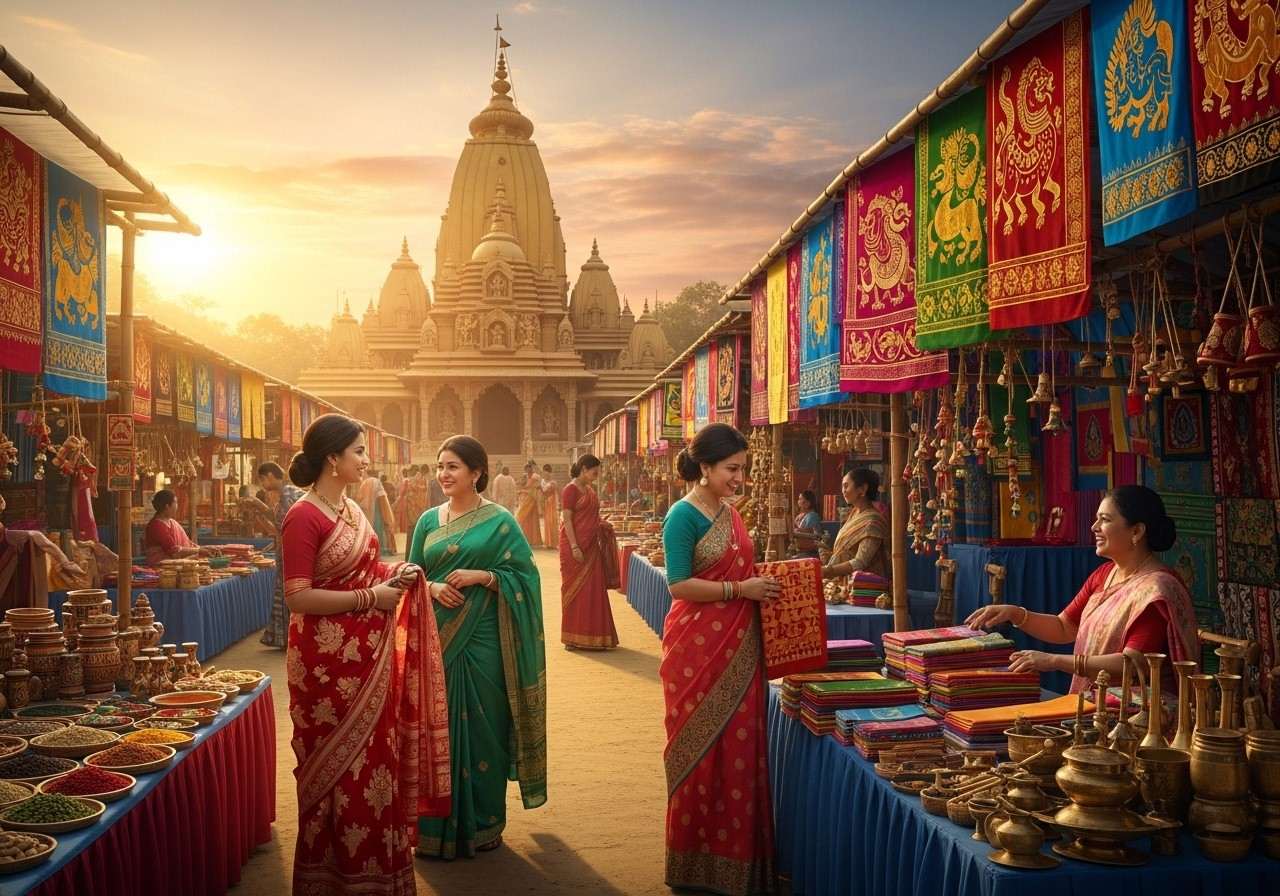
A true reflection of any Indian town’s vitality is its local bazaar. The vibrant local markets, traditionally known as ‘haats’, are a sensory delight filled with enticing aromas, bright colors, and the energetic hum of daily commerce. Phuloni Bazar stands out as a bustling hub where the region’s agricultural bounty and artisanal brilliance come to life.
- Traditional Crafts and Hand-woven Fabrics: Exploring the vibrant stalls reveals a stunning array of Karbi traditional wear and intricate bamboo handicrafts, lovingly made by local artisans. Purchasing these beautiful items not only brings a piece of Assamese heritage into your home but also directly supports the hardworking craftsmen of the region.
- Fresh Organic Produce and Forest Goods: The local farmers bring their freshest organic fruits, vegetables, and unique forest produce directly to the consumers, ensuring health and nourishment for the community. Strolling through these vibrant lanes allows you to experience the authentic sights, sounds, and smells of a traditional Assamese marketplace.
A Harmonious Community Life and Local Governance
The vibrant community dynamics in this sub-division represent a heartwarming blend of Karbi, Bodo, and Assamese traditions. Festivals like Rongker and Hacha-Kekan are celebrated with unparalleled enthusiasm, featuring folk music, traditional dances, and joyous feasts. The Karbi people, in particular, have done an exceptional job of preserving their rich heritage through oral storytelling and social customs.
On the administrative front, the local governance of the sub-division plays a crucial role in maintaining social harmony while ushering in progressive development. Dedicated local leaders and grassroots organizations work tirelessly to ensure that while the town modernizes, its rustic charm and cultural integrity remain entirely intact.
Embracing Tradition with Poojn
We understand that in our modern, fast-paced lives, finding the right authentic items for your spiritual practices can sometimes be a challenge. At Poojn, we are deeply committed to helping you stay connected to your cultural roots without the stress of stepping out of your home. While we do not offer travel packages or VIP temple darshans, our online store is thoughtfully curated to bring the sanctity of Indian traditions right to your doorstep.
Whether you are setting up your daily prayer space or preparing for an upcoming festival, we have exactly what you need. You can effortlessly explore our comprehensive puja kits to ensure you have all the essential items for a flawless ritual. To elevate the spiritual ambiance of your home, browse our premium collection of aromatic incense sticks that calm the mind and soothe the soul. Furthermore, if you wish to invite divine blessings into your living space, discover our beautifully crafted divine idols that reflect exceptional artistry and devotion.
By choosing Poojn, you are embracing the sheer convenience of online shopping while honoring and supporting authentic cultural practices.
Frequently Asked Questions About the Region’s Culture
What is the significance of the local Debasthan?
The Debasthan serves as a highly revered spiritual center where devotees gather to offer their heartfelt prayers. It acts as a cornerstone for cultural gatherings, playing a pivotal role in preserving regional spiritual practices and bringing families together.
Why are the local markets like Phuloni Bazar so popular?
These vibrant commercial hubs are famous for their lively atmosphere and the incredible variety of goods they offer. From fresh, organic forest produce to exquisite hand-woven Assamese textiles, the markets provide a genuine taste of local artisanship and agricultural richness.
How do the local communities keep their traditions alive?
Community life thrives through the enthusiastic celebration of traditional festivals like Rongker and Hacha-Kekan, regular rituals at the neighborhood shrines, and strong oral traditions. The harmonious coexistence of different ethnic groups ensures a rich, shared cultural tapestry.
What role does the local sub-division administration play?
The administrative body is essential in guiding the area’s growth, managing local affairs, and supporting community development. Their initiatives beautifully balance the need for modernization with the urgent necessity of preserving the town’s irreplaceable cultural heritage.
How can one best appreciate the essence of this serene Assamese town?
The true essence of this region is best felt by understanding its harmonious blend of spirituality, community togetherness, and traditional commerce. Appreciating the local temple rituals, supporting indigenous crafts, and respecting their vibrant festivals allows anyone to connect deeply with this beautiful Assamese gem.