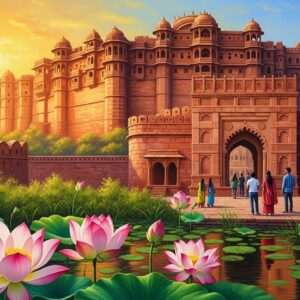


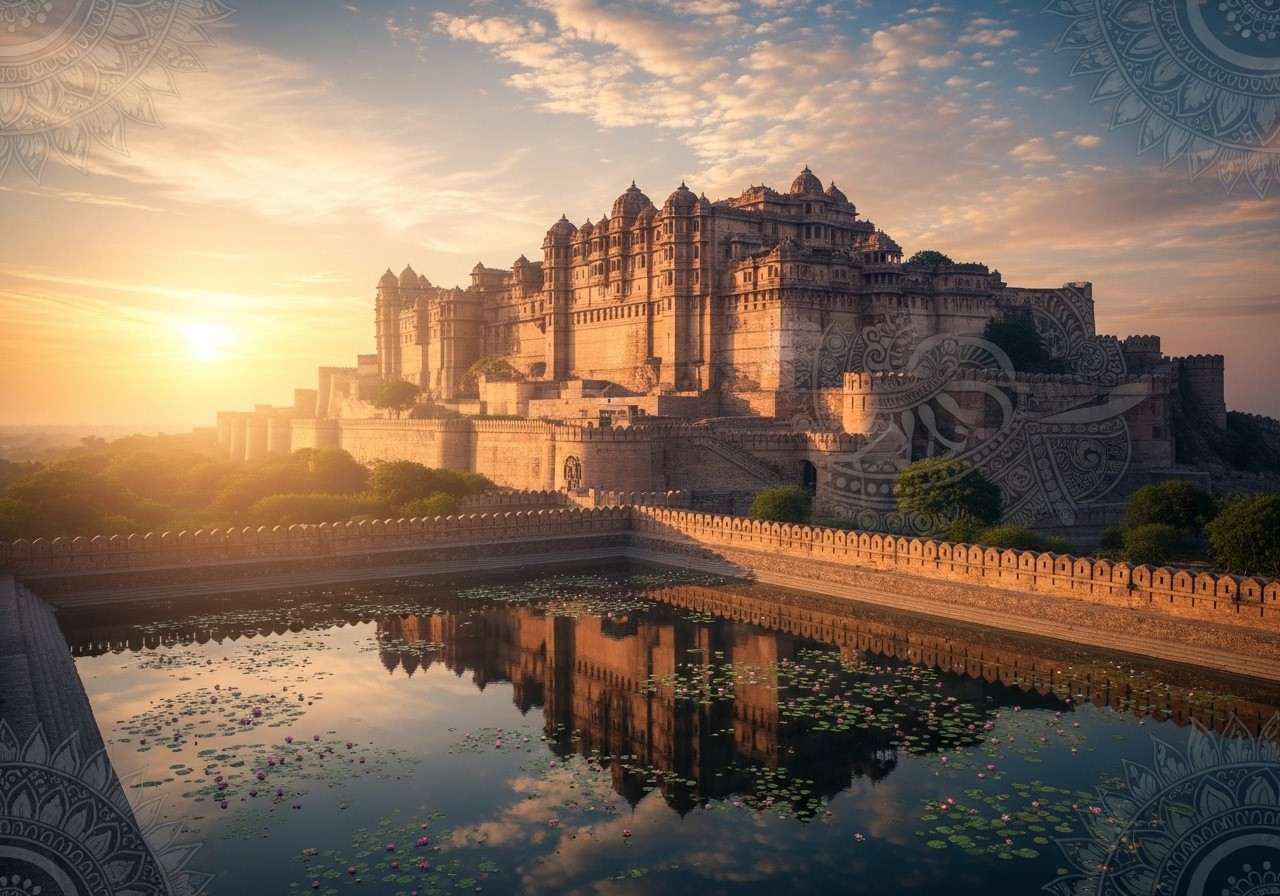
Standing proudly on the rugged terrains of Rajasthan, the grand fortress of Mewar is much more than a mere historical monument; it is a sacred pilgrimage for those who revere Indian heritage. Officially recognized as a UNESCO World Heritage Site in 2013, this historic citadel embodies the ultimate sacrifices made by the brave Rajput warriors. Every stone here whispers tales of profound honor, making it a true beacon of tradition for families who deeply cherish our cultural roots. Let us embark on a journey through the architectural grandeur and the spiritually charged past of this magnificent stronghold.
Origins and Strategic Brilliance
Originally known as Chitrakut, the foundations of this awe-inspiring settlement date back to the 7th century. Initially constructed by the visionary Chitrangad Mori of the Rajput clan, the sprawling 700-acre marvel was strategically positioned atop a high hill, giving its defenders a commanding view of the vast plains below. By the mid-8th century, the stronghold was captured by Guhlia rulers, solidifying its strategic importance in the region. Today, it proudly houses 65 historic structures, weaving together a seamless blend of royal palaces, sacred temples, and robust towers that showcase the unmatched architectural ingenuity of ancient India.
A Legacy Written in Courage and Sacrifice
Serving as the prestigious capital of the Rajput state of Mewar from the 8th to the 16th century, the stronghold faced some of the most devastating and legendary sieges in Indian history. These moments of profound struggle immortalized the site as an enduring bastion of courage and unyielding dharma.
- The Heartbreaking Siege of 1303: Alauddin Khilji of the Delhi Sultanate surrounded the citadel for eight grueling months, a tragic event that resulted in the heartbreaking loss of 30,000 local Hindu lives. In an ultimate act of defiance and honor, the noblewomen, led by the legendary Queen Padmini, embraced the sacred fire in a mass self-immolation known as Jauhar, ensuring their dignity and spiritual purity remained untouched by the invaders.
- The Devastating Attack of 1535: When Bahadur Shah of Gujarat sacked the fortress, the defenders once again displayed unimaginable bravery against insurmountable odds. This brutal encounter led to the tragic martyrdom of 3,200 fearless Rajput warriors on the battlefield, while 13,000 deeply courageous women performed Jauhar to protect the honor of their lineage.
- The Final Capture and Restoration (1567-1616): The Mughal Emperor Akbar launched a massive campaign to sack the fort in 1567-68, eventually leading to the capital of Mewar being safely relocated to the beautiful city of Udaipur. However, the wheel of time turned, and under Mughal Emperor Jahangir in 1616, this sacred land was rightfully returned to the Rajputs, restoring a much-needed sense of peace to the region.
Architectural Marvels that Touch the Sky
The vast expanse of this heritage site is dotted with iconic monuments that celebrate both worldly triumphs and deep spiritual devotion. The Vijay Stambh, or Tower of Victory, was masterfully built by Rana Kumbha in the 1440s to commemorate his glorious triumph over Mahmud Shah Khilji. Equally mesmerizing is the Kirti Stambh (Tower of Fame), a stunning 22-meter high structure dedicated with great reverence to Adinath, the first Jain Tirthankara.
Visitors are also captivated by the historical depth of the Rana Kumbha Palace and the elegant Padmini’s Palace, which stands as a lasting symbol of the queen’s unmatched beauty and inner strength. On a deeply spiritual note, the Meera Temple honors the ultimate devotion of Meera Bai, a noble Rajput princess whose divine love for Lord Krishna continues to inspire millions of devotees across the nation today.
Cultural Resonance and Devotional Heritage
The tales of this great fortress are deeply woven into the fabric of Rajputana heritage, echoing through generation after generation in our local folklore, classical literature, and traditional arts. To honor the unmatched valor of the martyrs, the annual Jauhar Mela is celebrated with profound reverence, bringing ancient rituals and heartfelt performances to life. It reminds us of the deeply rooted values we hold dear as Indians—protecting our righteous path, maintaining our family pride, and fostering a strong connection to our daily spiritual practices.
Embrace India’s Divine Heritage at Home with Poojn.in
Maintaining a deep connection to our divine heritage is a core value for every traditional Indian household. At poojn.in, we understand the profound importance of preserving these sacred rituals in your everyday life. Whether you are deeply inspired by the spiritual legacy of Meera Bai or simply seeking to honor the deities that guided the brave Rajput warriors, bringing authentic ritual items into your home shrine can profoundly elevate your devotional experience.
- Authentic Traditional Puja Kits: We have carefully curated traditional puja kits that encompass every vital element required for your sacred ceremonies. Whether you are conducting a peaceful daily aarti or a grand festive ritual, these thoughtfully assembled kits ensure you always have the purest, most authentic items at your fingertips.
- Elegant Brass and Copper Items: True to the magnificent craftsmanship of historical India, our exclusive range of brass and copper items adds a regal and deeply traditional touch to your home altar. These timeless pieces are not only highly functional for daily offerings but also serve as beautiful reminders of our rich cultural artistry and heritage.
- Soothing Incense Sticks and Dhoop: Transform your prayer space into a haven of absolute peace with our naturally crafted incense sticks and dhoop. Formulated from the finest natural ingredients, their calming and pure aroma perfectly complements the deep spiritual ambiance required for meditation, prayer, and inner reflection.
To explore our full range of premium cultural goods, please visit our website today. For personalized assistance, you can easily contact us at 03369029784 or simply reach out via WhatsApp at 9476142738.
Preservation for the Next Generation
Preserving this globally recognized jewel, officially listed among the Hill Forts of Rajasthan, requires immense dedication to protect its structural integrity from modern environmental and human-induced threats. While responsible tourism undoubtedly brings vital economic support to the local communities, it must always be balanced with highly sustainable practices. Engaging with the rich narratives of the past not only enhances our personal understanding but also serves as a critical cultural education for our younger generations.
Frequently Discussed Aspects of Mewar’s Historic Citadel
What is the early history and origin of this legendary stronghold?
Dating back to the 7th century, the original structure, initially called Chitrakut, was established by Chitrangad Mori of the Rajput clan. By the mid-8th century, it had grown into a remarkably strategic settlement, eventually becoming the proud capital of the Mewar state from the 8th to the 16th century.
Why is this historic citadel considered a profound symbol of Rajput bravery?
The fortress stands as the ultimate testament to sacrifice due to its history of legendary sieges, particularly the devastating attacks by Alauddin Khilji and Bahadur Shah. The unparalleled courage of the defending warriors and the deeply moving Jauhar performed by thousands of noblewomen have immortalized their indomitable spirit.
What are the most prominent architectural features found within the complex?
Spread across a staggering 700 acres, the site boasts 65 incredibly historic structures. Visitors are often left spellbound by the majestic Vijay Stambh built by Rana Kumbha, the 22-meter high Kirti Stambh dedicated to the first Jain Tirthankara, and the spiritually uplifting Meera Temple.
Is the heritage site officially recognized on a global scale?
Absolutely, this majestic stronghold is a proud part of the Hill Forts of Rajasthan and was officially recognized as a UNESCO World Heritage Site in 2013, highlighting its immense cultural, historical, and architectural significance to the entire world.
Can history enthusiasts and devotees explore the site today?
Yes, the ancient gates remain open for visitors who wish to take a respectful step back in time. While exploring the grand walls, royal palaces, and sacred temples, tourists are always encouraged to embrace sustainable practices to ensure this priceless monument remains protected forever.