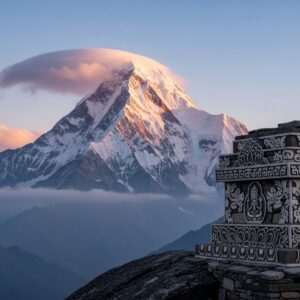



Namaskar! For generations, we Indians have looked towards the pristine Himalayas not just as a collection of mountains, but as the very abode of the divine. As we navigate the busy routines of modern life in 2026, the call of the mountains remains as strong as ever for those seeking both adventure and inner peace. The journey towards the magnificent Mount Pauhunri is one such path that beautifully blends thrilling physical challenges with profound spiritual awakening. Let us explore what makes this distant Himalayan peak so deeply revered and how you can prepare yourself for the journey of a lifetime.
Understanding the Mystique of Mount Pauhunri
Tucked away in the breathtaking Eastern Himalayas, this majestic mountain stands proudly on the border of Sikkim, India, and Tibet, China, located roughly 75 kilometers northeast of the mighty Kangchenjunga. It is a place of immense natural and cultural significance, most notably because it marks the sacred origin of the life-giving Teesta River.
Reaching an awe-inspiring altitude of 7,128 meters (23,386 feet)—with some recent geographical analyses suggesting a revised elevation of 7,107 meters—the peak is a formidable presence. Historically, it was first successfully climbed back in 1911 by the Scottish mountaineer Alexander Mitchell Kellas, who was accompanied by two brave Sherpas. Due to its extreme remoteness, steep snow patches, towering ice walls, and jagged rocky ridges, only five known successful ascents were recorded up to 1989, and no further ascents have been verified since. Today, securing expedition permits in this sensitive Sikkim-Tibet border region is exceptionally difficult due to stringent security protocols, making it a pristine, largely untouched sanctuary.
Navigating the Harsh and Holy Weather
Before stepping foot into the upper Himalayan ranges, understanding the local climate is absolutely essential. The weather forecast for this remote region indicates that it remains mostly dry but incredibly unforgiving. Visitors must brace themselves for extremely cold conditions, with temperatures routinely plunging between -16°C and -20°C. Furthermore, you should expect moderate to severe gale-force winds that can test the resolve of even the most seasoned travelers. While the summer months offer a slightly milder climate in the lower valleys, sudden showers can easily make the ancient trails slippery and difficult to navigate.
Overcoming High Altitude Challenges
Ascending towards the heavens at over 7,100 meters brings significant physical hurdles, primarily due to the drastically thin air. Proper acclimatization is the most crucial aspect of your journey, as oxygen intake is severely reduced at such formidable high altitudes. It is imperative to allow your body ample time to adjust to the lower oxygen levels by incorporating multiple rest days into your itinerary. You must remain highly vigilant and recognize early symptoms of altitude sickness, such as persistent headaches or dizziness. If these signs appear and refuse to subside, making an immediate descent is the only responsible choice for your well-being.
Essential Preparations for Your Himalayan Tapasya
Undertaking a journey of this magnitude requires a balanced mix of sheer willpower and strict physical discipline. Here is how you should prepare your body and your backpack for the expedition:
- Building Cardiovascular Endurance: Preparing your body for the demanding Himalayan terrain is absolutely vital for a safe and spiritually fulfilling journey. You must start rigorous cardio exercises like running at least one month prior to your trip to develop sufficient lung capacity and dramatically improve your heart strength.
- Strength Training for Stability: Incorporating targeted strength training into your daily routine is highly beneficial because it helps prevent unwanted physical injuries and actively supports your posture while navigating rugged terrains. This level of physical readiness ensures that your leg and core muscles can comfortably handle the steep snow and rocky ridges.
- Smart and Efficient Packing: When packing your bags, you must include life-saving essential items such as high-quality layered clothing, sturdy trekking boots, a warm hat, thick gloves, a reliable headlamp, a water bottle, and a comprehensive first-aid kit. It is highly recommended to strictly avoid overpacking; ideally, your small daypack or backpack should weigh less than 10 to 12 kg for a standard 3-day journey to ensure maximum mobility and comfort.
The Spiritual Essence and Cultural Significance
For many devoted pilgrims, walking these ancient Himalayan paths goes far beyond mere physical exertion; it is an inward journey of the soul. The entire surrounding region is deeply steeped in rich Buddhist traditions, dotted with serene monasteries and sacred sites that vibrate with positive cosmic energy. Taking a moment to sit quietly, meditate, and reflect amidst this untouched natural beauty allows you to connect with the divine presence that has drawn sages to these mountains for centuries. Engaging respectfully with local customs will undoubtedly elevate the spiritual dimension of your journey.
How Poojn.in Elevates Your Pre-Trek Spiritual Preparation
Please remember that Poojn does not provide travel packages, trek guidance, or VIP darshans of any temples. We are an e-commerce platform, and we only sell cultural goods through our online store. However, every great endeavor begins with seeking the Almighty’s blessings, and this is exactly where we can be a part of your holy preparation.
- Authentic Puja Samagri: Performing a heartfelt puja before you travel brings immense peace of mind and divine protection against unforeseen hurdles. You can explore our extensive collection of traditional incense sticks, pure brass diya lamps, and beautifully crafted puja thalis at https://www.poojn.in/ to easily create a sacred space right in your home before you depart.
- Spiritual Literature for the Soul: Understanding the profound heritage and local customs of our Himalayan traditions can make your journey much more meaningful and deeply enlightening. We offer a wonderful selection of spiritual books that provide rich insights into Hindu rituals and philosophies, which you can conveniently order from our online store to read during your travels.
- Comforting Cultural Essentials: Though we exclusively specialize in delivering premium cultural goods, our incredibly soft woolen shawls can add a much-needed layer of comfort and traditional warmth during your pre-trek prayers or quiet meditation moments. We ensure that every single product is handled with reverence and delivered directly to your doorstep with the utmost care and devotion.
For any inquiries regarding our authentic cultural products, please feel free to contact us at 03369029784 or reach out via WhatsApp at 9476142738.
Frequently Asked Questions About the Pauhunri Expedition
Ideal Time for the Journey
The best window for planning a visit to the surrounding lower valleys is generally between May to June and September to October. During these months, the atmospheric conditions are relatively more accommodating, allowing you to experience the breathtaking natural beauty without facing the absolute worst of the peak winter blizzards.
Understanding the Extreme Altitude
Standing as a silent guardian of the borders, the peak boasts an impressive elevation of 7,128 meters, with some recent data pointing to 7,107 meters. Anyone planning an expedition in the vicinity must be completely and thoroughly prepared for the thin air and drastically reduced oxygen levels found at such formidable heights.
Anticipating the Harsh Weather
You should expect the climate to be mostly dry but dangerously cold, with night temperatures frequently plummeting between -16°C and -20°C. Coupled with moderate to severe gale-force winds, it becomes absolutely mandatory to pack heavy-duty thermal clothing and windproof survival gear for your personal safety.
Navigating Permits and Legal Regulations
Because this majestic mountain sits precisely on the sensitive international border between Sikkim and Tibet, obtaining official expedition permits is notoriously difficult due to strict national security protocols. It is strongly advised to consult directly with local Indian authorities for the most up-to-date legal requirements and permissions before making any concrete travel plans.
Historical Ascent Records
The peak holds a unique place in mountaineering history, having been first climbed in 1911 by Scottish mountaineer Alexander Mitchell Kellas and two Sherpas. Because of its demanding routes, steep ice walls, and extreme remoteness, only five successful ascents were known by 1989, and the mountain has seen no verified ascents since that time, maintaining its pristine and secluded aura.
As you prepare your mind and body for the awe-inspiring Eastern Himalayas, always remember to respect the immense power of nature and the deep-rooted cultural heritage of Devbhoomi. May your journey be safe, deeply fulfilling, and spiritually enriching!