
Namaskaram to all our readers who cherish the rich, vibrant tapestry of Indian heritage. The concept of Trishula Vyuha is deeply rooted in our sacred traditions and ancient mythology. Named lovingly after the mighty trident of Lord Mahadev, this strategic arrangement is much more than a military tactic; it is a profound embodiment of both strategic genius and spiritual depth. Understanding its immense significance in ancient times helps us truly appreciate its powerful symbolic representation in our modern cultural practices.
Origins and the Great Mahabharata War
When we look back at the golden eras of our history, the Trishula Vyuha finds its noble origins deeply embedded in ancient texts and the revered science of Dhanurveda. During the epic Mahabharata, this formation emerged as an absolute masterclass in tactical warfare and strategic foresight. Specifically, on the dramatic 8th day of the great Kurukshetra War, the Pandavas brilliantly deployed the Trident Formation. They used it to effectively counter the formidable Kurma Vyuha, or Turtle formation, which had been set up by the legendary Bhishma Pitamah.
The Strategic Brilliance of the Trident Formation
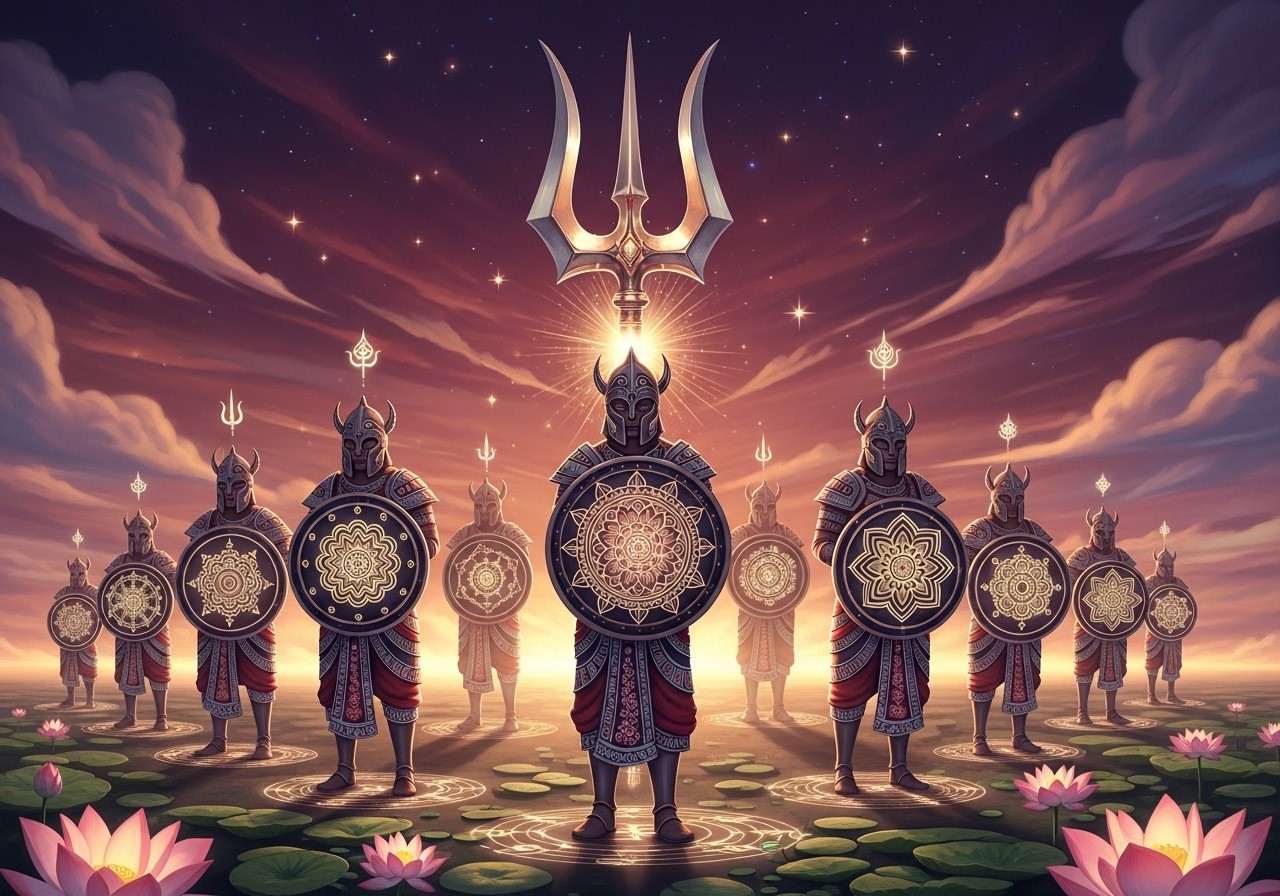
At its core, this strategic arrangement is geometrically designed to perfectly mirror the three distinct prongs of Lord Shiva’s divine weapon. The central wing acts as an unshakeable, defensive shield against any frontal assault, while the two flanking wings launch simultaneous, surprise attacks on the enemy’s sides. This dynamic approach splits and collapses the opposition’s lines with devastating precision.
However, ancient wisdom tells us that this formation requires the perfect setting to succeed. It is most incredibly effective when deployed in a geography that naturally supports it, such as a narrow, restricted entrance closely bordered by hills on either side. Furthermore, timing is absolutely everything. Delaying the neutralization of a key enemy figure could effortlessly spell disaster, and prematurely revealing the flanking maneuver might tragically allow the opposition to strike back with counter-strategies like the Sarpa Vyuha (Snake formation).
Symbolism of the Divine Weapon
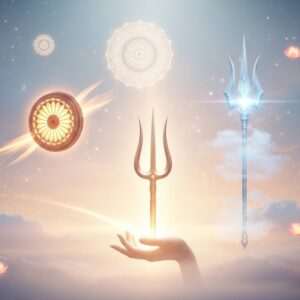
Beyond the dusty battlefields of ancient India, the Trishula Vyuha holds incredibly deep meanings within our spiritual philosophy. The three prongs of the trident beautifully symbolize divine power, unwavering balance, and cosmic harmony. In our dharmic way of life, these qualities are inextricably linked with the concepts of duty (dharma) and action (karma). The formation serves as a gentle yet powerful reminder of the intricate, timeless connection between practical earthly duties and profound spiritual wisdom.
Practical Life Lessons for the Modern Era
While we no longer fight on chariots, the timeless principles of the Trident Formation seamlessly transcend ancient battlegrounds. In our fast-paced modern world, the formation’s emphasis on balance, critical foresight, and sheer adaptability offers incredibly valuable lessons for personal growth. In corporate environments and team-building exercises, it inspires leadership that is both strong in the center and brilliantly adaptive on the flanks. It beautifully encourages us to navigate life’s daily challenges with unity, resilience, and a deeply strategic mindset.
Bringing the Sacred Home with Poojn.in
As we reflect on these divine principles of cosmic balance and spiritual protection, incorporating them into our daily prayers becomes a truly beautiful practice. At Poojn.in, we deeply understand your heartfelt devotion and the absolute necessity for pure, authentic puja samagri in your modern home. Poojn.in stands proudly as India’s biggest cultural goods and services store, thoughtfully bringing authentic traditions directly to your doorstep. We are purely dedicated to offering premium cultural goods through our online store, ensuring your daily rituals are performed with the utmost purity and grace.
Here are just a few carefully curated ways we can help you embrace your divine traditions:
- Sacred Brass Trishulas: A beautifully crafted miniature Trishula is widely revered as a potent, timeless symbol of divine protection and inner power in countless Indian households. By carefully placing one in your family mandir, you actively invite a profound sense of peace and unwavering strength, ensuring your sacred living space feels spiritually complete and secure. You can easily explore our authentic brass Trishulas here.
- Premium Hand-Rolled Incense Sticks: No daily prayer or evening aarti is truly ever complete without the incredibly calming, earthy fragrance of pure agarbatti gently wafting through the air. Our meticulously crafted, natural incense sticks are uniquely designed to effortlessly elevate your spiritual atmosphere, helping you maintain absolute focus during your daily meditation and heartfelt devotions. Feel free to browse our premium incense sticks collection.
- Traditional Glowing Brass Diyas: Lighting a pure, beautifully crafted traditional brass lamp effectively dispels negativity and wonderfully signifies the eternal triumph of divine knowledge and dharma over darkness. These elegant, timeless pieces not only beautifully illuminate your sacred daily rituals but also gracefully serve as precious family heirlooms that can be passed down lovingly through multiple generations. Take a moment to find your perfect traditional brass diyas here.
Embracing our magnificent heritage has never been more incredibly convenient. All these carefully sourced, high-quality products are readily available online, allowing you to prepare for your sacred ceremonies with immense ease and comfort from your home. To beautifully enrich your spiritual journey, simply visit Poojn.in today.
Common Curiosities About the Sacred Trident Formation
Exploring the profound depths of this ancient topic naturally brings up several wonderful curiosities among our readers. A very frequent topic of discussion is the true, fundamental meaning of the Trishula Vyuha. Essentially, it translates directly to “trident formation,” representing a strategic arrangement intricately shaped like Lord Shiva’s powerful three-pronged weapon. It was ingeniously designed to disorient and systematically dismantle opposing forces.
People also frequently wonder about how this ancient tactical marvel was actually structured on the ground. It is masterfully divided into three distinct units; the central force solidly holds the primary frontline, while the other two prongs are kept fully ready to execute stunning surprise attacks from multiple angles. This multi-faceted approach showcases the sheer brilliance of our ancient ancestors.
Another very common curiosity revolves around exactly where this fascinating strategy is documented in our history. You will find incredibly detailed and vivid mentions of this formation in revered ancient epics like the Mahabharata. It beautifully highlights the immense tactical wisdom of historical leaders, especially noting its legendary use by the Pandavas on the dramatic eighth day of the great war.
Finally, many thoughtful readers ponder whether the core essence of this ancient formation survives in our modern times. While actual chariots and ancient battlefield tactics have naturally evolved, the core, underlying principles of multi-angled problem-solving and rigorous strategic planning remain highly relevant. Today, these concepts are deeply studied and actively applied in modern organizational structures, showcasing the truly eternal nature of Indian wisdom.