
India is a beautiful tapestry woven with countless traditions, rituals, and artistic expressions. Embarking on a journey into the lively domain of our indigenous art forms, we find ourselves utterly mesmerized by a beautiful cultural expression thriving across various states. This deeply rooted traditional dance form is a vital piece of our shared cultural heritage, playing a profoundly significant role in fostering unity, joy, and community bonding.
The Deep Cultural Roots and Spiritual Significance
Often referred to as ‘nritya’ in our beloved local dialects, this ethnic choreography holds immense spiritual and social significance. It serves as a beautiful storytelling medium, gracefully portraying ancient mythology, cherished local legends, and important historical events. By performing these sacred steps during festivals and rituals, communities invoke divine blessings and celebrate life’s most precious milestones.
When we look at the northeastern jewel of Arunachal Pradesh, this vibrant performance is absolutely integral to tribal festivals, beautifully symbolizing a profound unity and deep gratitude towards the divine deities. It is a joyful, heartwarming celebration that beautifully strengthens the bonds within the community, often performed after family gatherings or grand, joyous feasts.
Similarly, among the deeply traditional Bhuiya people of Odisha, Jharkhand, and Chhattisgarh, this cultural performance is the very soul of their social gatherings. Music and rhythmic movements are seamlessly integrated into their religious festivals and weddings, sometimes continuing for days in an unbroken, joyous celebration of life and divine grace.
Meaningful Performances and Joyous Purpose
The esteemed Digaru Mishmi tribe of Arunachal Pradesh takes immense pride in performing this beautiful art form during highly auspicious festivals like Tazampu, Duiya, and Tanuya. Through their devoted movements, they earnestly seek divine blessings, lifelong prosperity, and the overall well-being of the dancers and their entire households.
In the central Indian states, these tribal dances serve a multitude of spiritual and social purposes. Dancers gracefully adopt a respectful, stooping posture. To add a layer of beautiful mystery and cultural depth, some performances feature veiled faces, while others remain proudly unveiled. The dancers typically arrange themselves in beautifully synchronized rows, moving as one cohesive unit.
Intricate Steps and Mesmerizing Choreography
This cherished art form is beautifully defined by its intricate steps and deeply meaningful movements. Let us explore how it is joyously performed across different regions:
- In Arunachal Pradesh, the performance traditionally takes place in the passage of a home, creating an intimate, sacred space for the community. The enthusiastic dancers line up beautifully, moving gracefully from the front to the rear as the resonant, soul-stirring sounds of music and traditional gongs fill the festive air. The intricate movements involve stepping forward with the right foot, bringing the left foot up to the heel, and gently bending the knees in reverence. Women execute highly graceful, skipping jumps, while the men perform higher and significantly faster leaps to showcase their vigor.
- The tribal communities in Odisha, Jharkhand, and Chhattisgarh bring a distinctly different, yet equally mesmerizing, energy to the festive floor. The men joyfully sing traditional folk songs and passionately play the changu drums, setting a vibrant, infectious rhythm that captivates every onlooker. The women dance beautifully to these enchanting tunes, often moving three deliberate steps forward and then stepping backward, seamlessly incorporating elegant hip movements into their mesmerizing routine.
Traditional Attire and Sacred Instruments
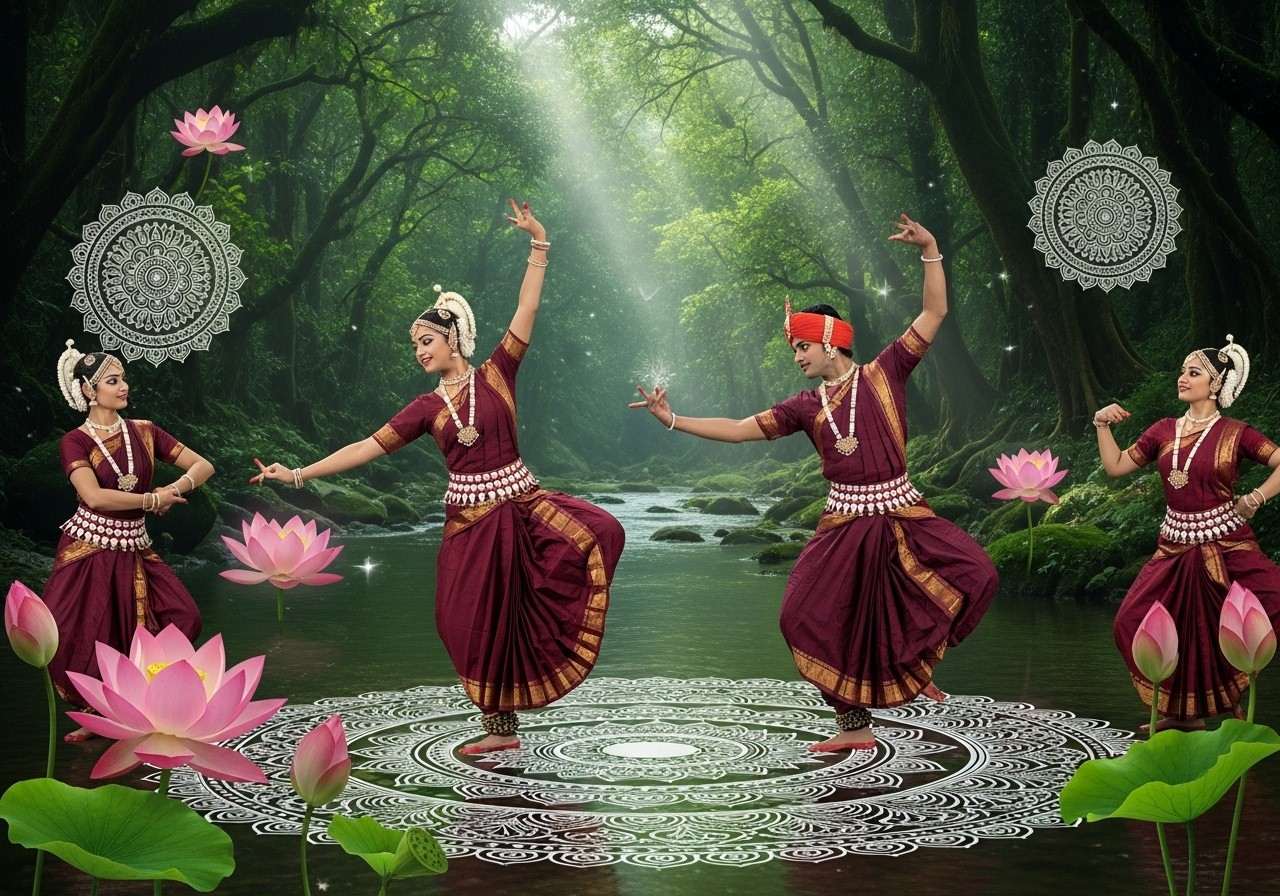
Our traditional attire is a profound reflection of our cultural identity, and the costumes worn during these performances are no exception. In Arunachal Pradesh, men typically wear a traditional loincloth, a beautifully crafted sleeveless jacket, a proud turban, and traditional earrings, reflecting their rich ancestry. The women look absolutely radiant in elegant blouses, long, flowing skirts, traditional side bags, beautifully layered necklaces, and exquisite silver ornaments that chime gracefully with every step.
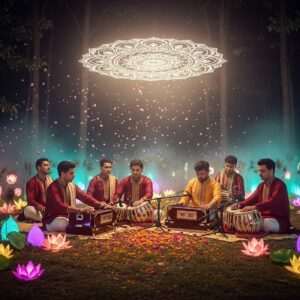
The music is undeniably the heartbeat of this tribal celebration. In the northeast, a rhythmic drum and a deeply resonant gong are absolutely essential to guide the dancers, with lively cymbals occasionally joining the divine symphony. Meanwhile, the communities in central India heavily rely on the changu, a fascinating traditional tambourine that dictates the pace, mood, and infectious energy of their rhythmic steps.
Modern Adaptations and Preserving Our Timeless Heritage
In today’s rapidly changing world, this traditional choreography gracefully adapts to contemporary settings while steadfastly retaining its pure, original essence. Dedicated cultural organizations and thoughtful local governments are making commendable efforts to promote and preserve these sacred dances for our children. The thoughtful incorporation of these arts into educational curriculums helps instill a deep sense of cultural pride and knowledge in our youth.
Furthermore, technology and mindful social media usage are wonderfully spreading awareness about our Indian heritage globally. Respectful collaborations with other art forms contribute to its beautiful evolution. Authentic cultural tourism respectfully attracts visitors, offering well-deserved economic benefits to the local artisan communities. Joyous festivals and culturally rich events continue to keep the tradition alive, providing much-needed platforms for these talented performers.
How Poojn.in Supports Your Auspicious Cultural Celebrations
Celebrating our vibrant heritage through folk traditions is a truly beautiful way to honor the Indian spirit. While we do not provide travel packages or offer VIP temple darshans, we are deeply committed to bringing the sacred essence of these traditions right into your home. Our platform provides an extensive, handpicked selection of authentic cultural items that perfectly enhance your festive experiences.
Our online store offers traditional decorative items and authentic pooja accessories that beautifully reflect the essence of our diverse Indian culture. You can easily find vibrant, high-quality fabrics, traditional jewelry pieces, and other authentic items that seamlessly complement the lively spirit of our native dances. For those who wish to create a deeply festive and pure atmosphere at home, we proudly offer beautifully crafted decorative items like pure brass diyas and vibrant rangoli kits.
These authentic products help set the perfect, auspicious mood for a joyous celebration with your family. We ensure you receive genuine, culturally rooted products delivered to your doorstep with absolute ease and reliability. To explore our wide range of authentic cultural goods, please visit our online store at https://www.poojn.in. If you need any assistance, you can always contact our dedicated support team at 03369029784, or reach out to us comfortably via WhatsApp at 9476142738 for more personalized guidance on making your traditional celebrations truly special.
Curiosities and Insights into Our Shared Heritage
Many cultural enthusiasts often wonder about the specific cultural importance of this folk art. It stands as a vibrant, deeply moving expression of our rich heritage, beautifully representing the long-held traditions and core beliefs of the community. It is a profound way of preserving our history, engaging in ancient storytelling, and proudly showcasing the community’s unique identity to the world.
If you are curious why this dance holds such a special, revered place in regions like Arunachal Pradesh, it is simply because it deeply connects the local people with their ancestral roots. It acts as a beautiful bridge between generations, celebrating the rich cultural diversity of the region. It brings communities together in harmony and remains a vital, irreplaceable part of festive and ceremonial occasions.
People also frequently ask about the key steps involved in the performance. The intricate choreography is characterized by highly rhythmic movements, beautifully coordinated hand gestures, and rhythmic foot stamping. Dancers often form inclusive circles or harmonious lines, moving perfectly in sync with the traditional music, thereby creating a deeply engaging and lively performance that touches the soul.
Another common curiosity revolves around how this traditional art form actually contributes to community bonding. By bringing extended families and neighbors together to celebrate shared traditions, participating in these rhythmic steps allows individuals to express their collective identity. This shared joy and devotion naturally strengthen social ties and foster a deep sense of belonging among everyone involved.
When discussing the critical importance of preserving this heritage for future generations, it becomes abundantly clear that doing so ensures our children and grandchildren can fully appreciate and understand their rich cultural background. It actively helps maintain our nation’s cultural diversity and keeps our sacred traditional practices alive and thriving in a rapidly modernizing world.
Regarding the integral role of music, it is absolutely essential to the spiritual experience, providing the necessary rhythm and vibrant energy to the entire performance. The playing of traditional, handcrafted instruments and the singing of native songs beautifully accompany the dance, elevating the cultural experience and setting a joyous, auspicious mood for the celebration.
For those genuinely wondering how one can learn these intricate steps, the most authentic way involves respectfully participating in local community gatherings, immersive cultural workshops, or traditional events. In these warm environments, experienced elder dancers patiently teach the eager newcomers. Observing and joyfully practicing alongside others helps immensely in mastering the dance steps and deeply understanding its true spiritual significance.
Finally, regarding the specific occasions that feature these beautiful performances, you will typically find them lighting up various auspicious festivals, traditional weddings, and important cultural celebrations. It is a highly revered way to mark life’s most important events, bringing boundless joy, spiritual purity, and unshakeable unity to the entire community.