
Namaste! India is a beautifully diverse land where every single grain of soil holds a profound story, and Dausa is a remarkable district in Rajasthan that holds immense historical and cultural significance. This vibrant and historically rich region offers a beautiful glimpse into the rich tapestry of traditions that have continuously shaped our majestic identity over the centuries. For those of us who deeply cherish our cultural roots while appreciating the modern ease of online shopping, exploring the heritage of this town promises both profound cultural enrichment and everyday convenience.
Geographical Context and Its Heritage Significance
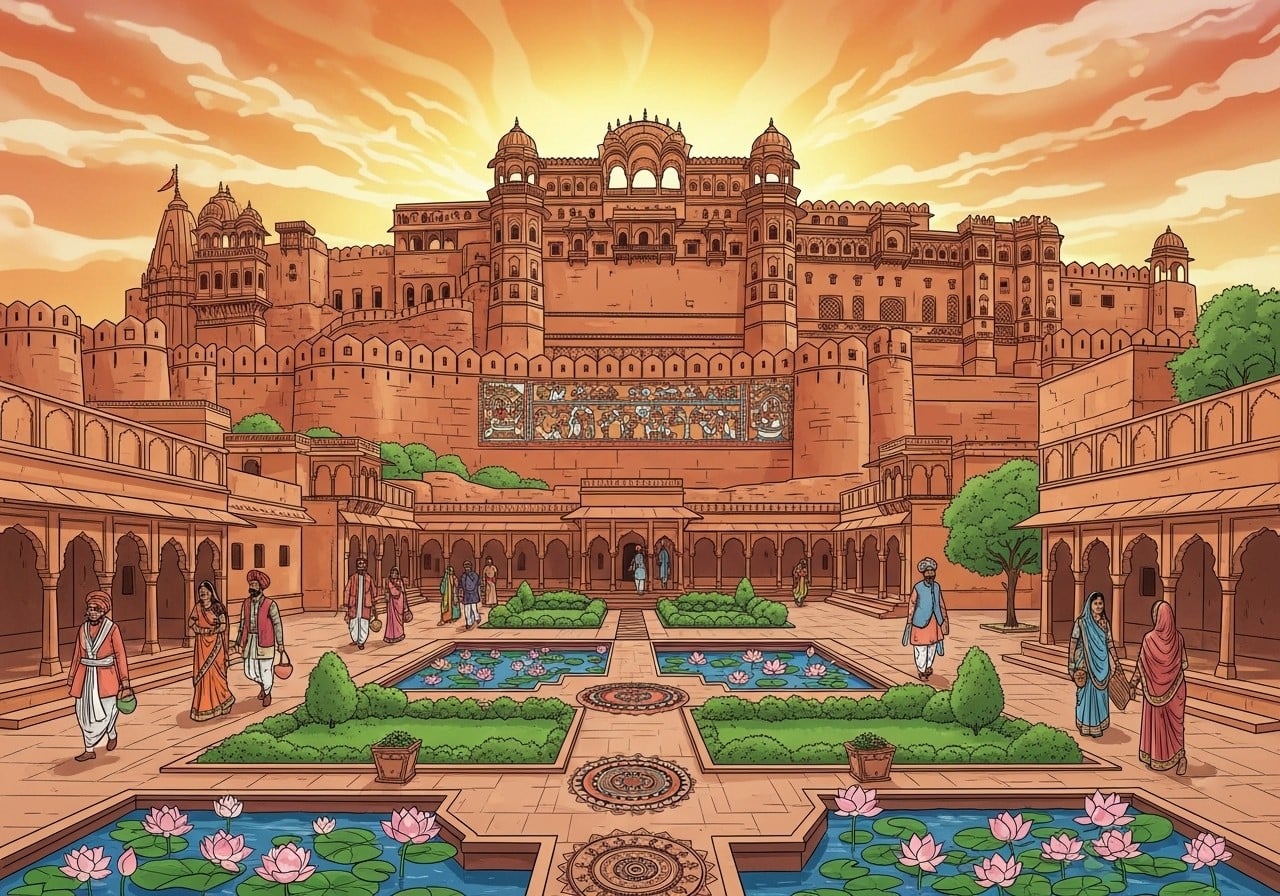
Strategically situated in the heart of Rajasthan, the region enjoys close proximity to the Pink City, Jaipur, which naturally enhances its historical and cultural importance. The surrounding landscape boasts vast, sweeping plains and notable ancient landmarks that beautifully reflect its enduring historical legacy. Over the centuries, its prime location has seamlessly facilitated flourishing trade and vibrant cultural exchanges, adding incredible layers to its undeniable charm. Today, the area contributes significantly to heritage tourism, with its deeply rooted local culture and sacred ancient sites effortlessly attracting spiritual seekers and history enthusiasts from all across our beautiful country.
The Deep Historical Background of the Region
When you take a mindful walk through this historic land, you quickly realize that this is a place where history gracefully whispers through its ancient streets, sacred temples, and timeless monuments. According to our rich linguistic traditions, its name elegantly derives from the sacred Sanskrit words “Dhau” and “Sa,” which poetically translate to “Beautiful like Heaven.” Such a divine and poetic name perfectly hints at the area’s breathtaking historical beauty and timeless spiritual charm.
Early Settlements and Ancient Indian Dynasties
The remarkable and resilient story of this land actually begins with prehistoric humans. Dedicated archaeological surveys have discovered profound evidence of Chalcolithic settlements, alongside mystical stone circles, cairns, and sepulchral mounds that speak volumes of a prehistoric cemetery. The historical town of Bhandarej, which is a vital part of the Dausa region, was historically known as Bhadrawati and finds honorable mention in our sacred epic, the Mahabharata. As time progressed into the 10th century AD, the region wonderfully thrived under the powerful rule of the Chouhans and Badgurjars, whose strong, visionary leadership laid the essential groundwork for the area’s future cultural and spiritual development.
Rise as the First Capital of Dundhar
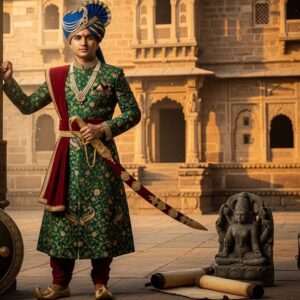
The region’s prominence truly soared in 1006 AD when it proudly became the first majestic capital of the Dundhar region. The brave Kachwaha Rajput king, Dulha Rai, played an absolutely pivotal role in this transformation by strategically annexing the area from the Gujjara-Pratiharas and the Minas. While some respected historical sources place this monumental event in 1037 AD, it indisputably marked the town’s eternal significance as a supreme center of power. Prior to this, the noble Raja Sodh Dev ruled the territory from 996 AD to 1006 AD, followed by his visionary son Raja Dulha Rai from 1006 AD to 1036 AD. The incredibly strong foundation established here by Dulha Rai eventually led to the glorious rise of the Kingdom of Amber and later Jaipur, permanently cementing the famous Kachwaha dynasty’s widespread influence, even after he later shifted his capital to Khoh.
Influence Under the Majestic Jaipur State
Fast forward to more officially recorded eras, right up until India’s glorious independence in 1947, the town remained an integral and celebrated part of the princely state of Jaipur, thriving under the noble rule of the Suryavanshi Kachwaha Rajputs. Its historical tapestry is also beautifully intertwined with Mughal history; in the year 1562, Emperor Akbar visited the region during a sacred pilgrimage to Ajmer and held a historic meeting with Rupsi Baragi, the respected Hakim of the area.
Establishment as a Modern Cultural District
A brand new chapter of modern administration commenced on April 10, 1991, when the area was officially formed as an independent district, thoughtfully carved out from the bustling Jaipur district. Initially, it comprised four vital tehsils: Dausa, Baswa, Sikrai, and Lalsot. The strong community grew even further on August 15, 1992, when Mahwa Tehsil was lovingly added to the district from Sawai Madhopur. This crucial administrative evolution brought fantastic new opportunities for regional development and harmonious community governance, passionately fostering much-needed growth while remaining deeply respectful of our timeless Indian traditions.
Honoring Our Traditions: How Poojn.in Supports Your Ritual Needs
As we lovingly delve into the rich history and deeply spiritual foundations of Rajasthan, it naturally inspires us to stay strongly connected to our divine roots through daily prayers and traditional rituals. Poojn.in is your highly trusted, premier online source for completely authentic ritual items. We understand the deep emotions attached to your faith, and our comprehensive online store gracefully offers a diverse range of cultural goods that can beautifully enhance your everyday spiritual experience right from the comfort and purity of your home.
- Premium Dashakarma Kits: These thoughtfully curated kits are absolutely perfect for seamlessly performing various elaborate Hindu rituals with complete peace of mind. Every single kit meticulously includes all the sacred and necessary items according to our Shastras, ensuring that you have absolutely everything you need without the unnecessary hassle of visiting crowded markets.
- Authentic Puja Essentials: From deeply fragrant, pure incense sticks to beautifully crafted traditional brass diyas, we are entirely dedicated to providing the highest quality products. These sacred items are absolutely essential for any pure puja ceremony, helping you gently invoke divine blessings with utmost purity and unwavering devotion in your loving household.
- Traditional Attire for Devotees: Finding the right, highly respectful clothing strictly suitable for religious ceremonies and joyous festive celebrations has never been easier. We offer a beautiful selection of authentic, highly comfortable garments that honor our profound Indian values and meticulously ensure you look culturally appropriate during your sacred family gatherings.
Shopping for your spiritual needs with Poojn.in is incredibly convenient, wonderfully reliable, and deeply respectful of our shared culture. We passionately ensure that every single product completely meets strict traditional standards while generously offering you the modern ease of seamless online shopping. For any personalized information or gentle spiritual assistance regarding our products, please feel free to warmly contact us at 03369029784 or simply WhatsApp us at 9476142738.
Embracing the Beautiful Legacy of Rajasthan
Ultimately, this historically vibrant district proudly stands as a beautiful, breathing testament to our glorious Indian history and deep-rooted spiritual traditions. Its long, fascinating journey from ancient Chalcolithic settlements to a bustling modern district wonderfully reflects the timeless resilience and immense pride of its people. The incredible stories of noble dynasties, brave rulers, and monumental historical events are permanently etched into the very fabric of the region, offering us a deeply moving glimpse into a rich and incredibly varied past.
Today, the area enthusiastically continues to thrive, proudly honoring its ancient heritage while gracefully embracing modern development and ease. The district’s gradual evolution from a historical first capital to a highly dynamic, modern community perfectly showcases the truly enduring spirit of its wonderful inhabitants. As you spiritually and culturally explore this beautiful land, you are bound to witness the highly harmonious blend of rich history and forward-thinking progress—a magical place where the past and present gracefully coexist with immense beauty and pride.
Frequently Asked Questions About the Region’s History
What is the detailed historical background of this culturally significant district?
This glorious land possesses a remarkably rich history that perfectly dates back to prehistoric and ancient times. Historically, it was a significant part of the ancient Matsya Kingdom, lovingly hosted the prehistoric settlements of Bhadrawati, and later thrived beautifully under the powerful rule of the Chauhans, Badgurjars, and Kachwahas. The district has faithfully witnessed the magnificent rise and fall of countless empires, each leaving its permanent, beautiful mark on the region’s cultural landscape.
When exactly was the modern district officially established?
The modern administrative boundaries for the district were officially established on April 10, 1991, when the area was carefully and thoughtfully carved out from the bustling district of Jaipur. Furthermore, it proudly expanded its borders on August 15, 1992, when the Mahwa Tehsil was seamlessly integrated from Sawai Madhopur to strengthen its governance.
What is the cultural and linguistic significance of its unique name?
Linguistically, the name beautifully originates from the ancient Sanskrit words “Dhau” and “Sa,” which meaningfully translate to “Beautiful like Heaven.” This exquisite, divine name profoundly reflects the area’s incredible scenic beauty, its deep spiritual vibrations, and its unparalleled cultural richness that attracts people even today.
What profound role did the area play during the era of the Matsya Kingdom?
During our ancient times, the region was an incredibly vital part of the Matsya Kingdom, which is celebrated as one of the most prominent ancient kingdoms of India. It played a highly crucial role in the kingdom’s robust administration and rich cultural exchanges, establishing a foundation of governance and spirituality that has lasted for centuries.
Who were the prominent ancient rulers of the land before it became an independent district?
Well before its modern formation, the region was fiercely and protectively ruled by a succession of powerful dynasties. Key rulers included the Chouhans, the Badgurjars in the 10th century, and the mighty Suryavanshi Kachwaha Rajputs, particularly notable figures like Raja Sodh Dev and Raja Dulha Rai. It remained an essential, treasured part of the princely state of Jaipur right until India’s glorious independence.
What are some of the most important historical landmarks found in this heritage-rich area?
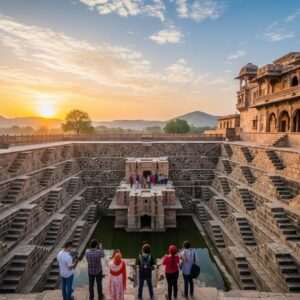
This culturally rich region is proudly home to an array of highly magnificent historical landmarks. Prominent sites deeply loved by devotees and tourists alike include the highly sacred Neelkanth Mahadev Temple, the stunningly intricate Chand Baori stepwell, and numerous ancient forts that gracefully narrate the incredible saga of its heroic and spiritual past.
Why is the region so highly regarded for its unique cultural heritage today?
The area is immensely celebrated and respected for its breathtaking blend of traditional Rajput and Mughal architecture, its exquisitely preserved traditional crafts, and its wonderfully vibrant, soul-stirring festivals. These elements beautifully showcase a deeply rooted cultural heritage that locals passionately preserve and share with the rest of the world.
How has the district evolved over the years while maintaining its identity?
The region has wonderfully evolved from a heavily historical town into a vibrant, modern district without ever losing sight of its precious heritage. It has seen remarkable development in modern infrastructure, education, and heritage tourism, ensuring that the legacy of the past comfortably supports the promising future of its proud residents.