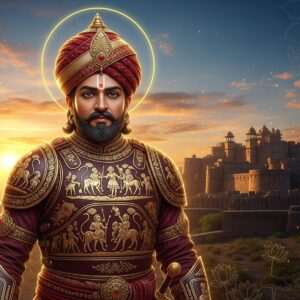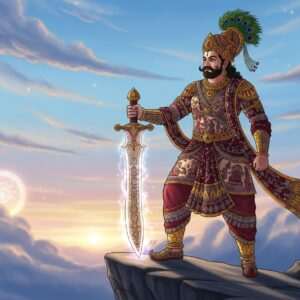


Bappa Rawal is a name that instantly fills our hearts with immense pride and a deep sense of cultural reverence. As the visionary founder of the Guhila dynasty in Rajasthan, his extraordinary leadership and fierce defense of our sacred lands left an indelible mark on Indian history. Discovering the untold stories of his lineage and their final resting places offers us a profound opportunity to reconnect with our glorious roots.
A Historical Overview of Rajputana’s Legendary Guardian
This great warrior rose to power with unmatched strategic brilliance and an unwavering devotion to his kingdom. Defending Mewar against continuous foreign invasions, he secured a safe and prosperous future for the entire region. His spiritual depth and cultural contributions continue to be a beacon of inspiration for families across India who deeply cherish our timeless traditions.
The Spiritual Retreat and the End of an Era
The concluding chapters of this revered king’s life are beautifully steeped in spiritual devotion rather than royal grandeur. Historical records and cherished local traditions indicate that he consciously chose a path of ascetic detachment. He gracefully abdicated his throne around 753 CE, dedicating his remaining years to a peaceful spiritual retreat. It is historically noted that he breathed his last in the ancient town of Nagda. Passing away sometime after this period of quiet reflection, marking the end of the 8th century, his remarkable transition from a fierce ruler to a devoted ascetic deeply influenced the generations that followed.
The Final Resting Place and Royal Succession
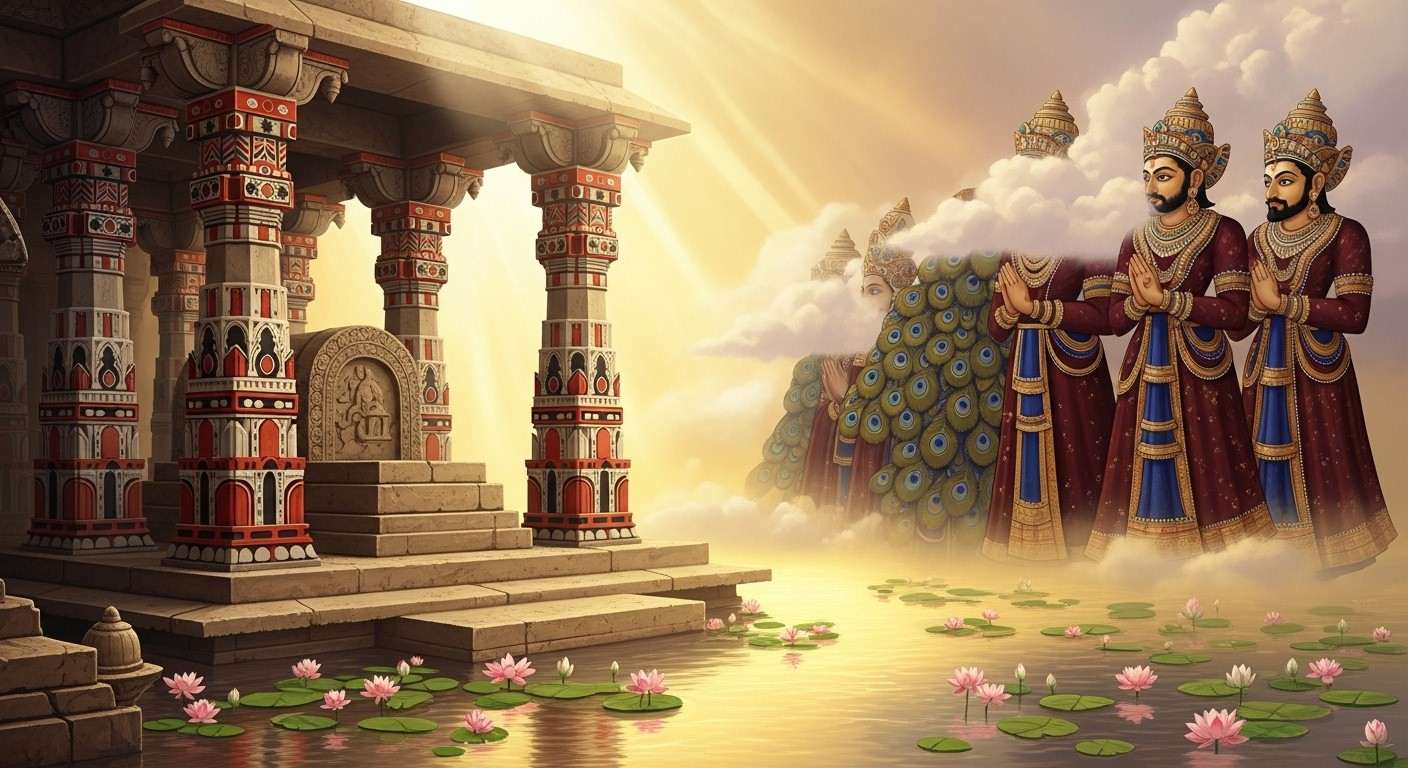
After his peaceful departure, his royal successors took upon the immense responsibility of nurturing the kingdom’s stability. They valiantly protected the heritage handed down to them, ensuring that the local culture continued to flourish. The deep reverence for their ancestors is clearly visible in the sacred spaces dedicated to their memory. The Samadhi (final resting place) of Bappa Rawal is gracefully located near Kailashpuri, approximately one mile north of Eklingpuri and about 2 km from Nagda. This spiritually charged Samadhi Sthal includes a magnificent temple built strictly to honor his immortal legacy. Today, these historical sanctuaries stand as powerful testaments to our ancestral wisdom.
Honoring Our Ancestors with Authentic Rituals
Our rich heritage truly thrives when we actively keep our traditional and spiritual practices alive at home. Remembering such monumental historical figures often inspires us to perform heartfelt pujas and homams with our families. At Poojn, we understand the emotional and cultural value of these sacred ceremonies. We are deeply committed to helping you preserve these customs by providing authentic, high-quality puja samagri delivered right to your doorstep.
- Comprehensive Puja Kits: Our thoughtfully curated collections include every single essential you might need to conduct your household ceremonies flawlessly. You can focus entirely on your devotion and prayers without the stressful last-minute rush of finding pure, traditional ingredients in local markets.
- Premium Incense Sticks and Dhoop: Elevate the spiritual aura of your home temple with our soothing, handcrafted aromatic offerings. Made exclusively from natural, high-quality materials, they help invoke a deep sense of peace and divine focus during your daily morning and evening aarti.
- Traditional Brass and Copper Utensils: Serving the divine requires absolute purity, which is why our gleaming metallic vessels are perfectly suited for offering jal, flowers, or prasad. These highly auspicious items carry the timeless charm of ancient Indian craftsmanship directly to your modern puja room.
- Divine Idols and Statues: Bring home beautifully sculpted deities that resonate with divine energy, meticulous artistry, and deep cultural roots. They serve as the perfect focal point for your absolute devotion when you sit down with your family to pay homage to our gods and revered ancestors.
To seamlessly bring these pure and authentic cultural goods into your home, please visit https://www.poojn.in. For any personalized guidance or inquiries about our spiritual items, feel free to contact our dedicated team at 03369029784 or drop us a warm message on WhatsApp at 9476142738.
Frequently Asked Questions About Mewar’s Golden Era
Who was the legendary founder of Mewar?
The visionary leader famously known as Bappa Rawal was a celebrated king who laid the remarkably strong foundations of the Guhila dynasty in Rajasthan. He is eternally respected by generations for his unmatched bravery, strategic mind, and powerful leadership.
What is historically known about his passing?
Rather than falling in the battlefield, historical evidence beautifully shows that he chose a spiritual path in his later years. He officially abdicated his royal duties around 753 CE and peacefully breathed his last in Nagda, living his final days in deep meditation and detachment from worldly affairs.
Who took over the kingdom after his spiritual retreat?
His capable and well-trained descendants proudly stepped up to the throne to carry forward the rich traditions and secure the kingdom’s borders. This brave lineage played an absolutely crucial role in shaping the golden history and cultural prosperity of Rajasthan.
Where is the revered Samadhi located today?
The sacred final resting place is peacefully situated near Kailashpuri, which is approximately 2 km from Nagda and a mile north of Eklingpuri. The holy Samadhi Sthal features a beautiful temple dedicated entirely to preserving his remarkable and inspiring memory.
What is the cultural significance of this sacred site?
This holy shrine represents far more than just history; it embodies the enduring spiritual legacy and the vibrant cultural heritage of the entire region. It serves as a continuous source of divine inspiration for countless devotees who visit to pay their heartfelt respects to the great king.
Why does he remain a legendary icon in modern times?
He is immortalized in our hearts for not only establishing a formidable empire but also for deeply valuing spiritual growth over mere territorial expansion. His life perfectly balances the rigorous duties of a fierce warrior and the peaceful soul of a devout ascetic.
How are his glorious deeds remembered by Indians today?
His monumental contributions are kept alive through grand cultural festivals, the careful preservation of historical temples, and the inspiring oral histories passed down by our elders. He remains a shining, timeless symbol of Rajput pride and Indian spiritual resilience.