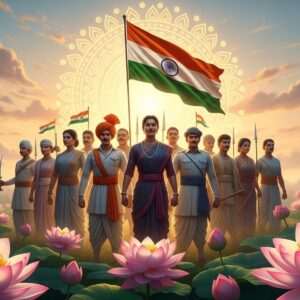


In the early decades of the 20th century, the heartbeat of our nation was unified by a single, powerful desire: absolute freedom from British colonial rule. The struggle for our independence was deeply anchored in the noble principles of nonviolent resistance, beautifully guided by Mahatma Gandhi. Among the many glorious chapters of our history, two pivotal milestones often spark curiosity and reverence: the nationwide campaign against the salt tax and the legendary walk to the Gujarat coast. While they are deeply intertwined and often spoken of in the same breath, understanding their unique historical footprints helps us truly appreciate the immense sacrifices made by our ancestors on the path to liberty.
The Emotional Significance of the Salt Campaign
In our Indian households, salt—or ‘namak’—is much more than a mere kitchen ingredient; it is a profound symbol of loyalty, hard work, and the basic right to sustenance. When the colonial government imposed heavy taxes and claimed an absolute monopoly over this everyday necessity, it struck at the very heart of the common man. This grave injustice laid the foundation for an unprecedented wave of civil disobedience that would forever alter the course of our history. The movement was not just about politics; it was a deeply personal fight to reclaim the dignity of the poorest families across the subcontinent.
Are the Nationwide Campaign and the 1930 Coastal Walk the Same?
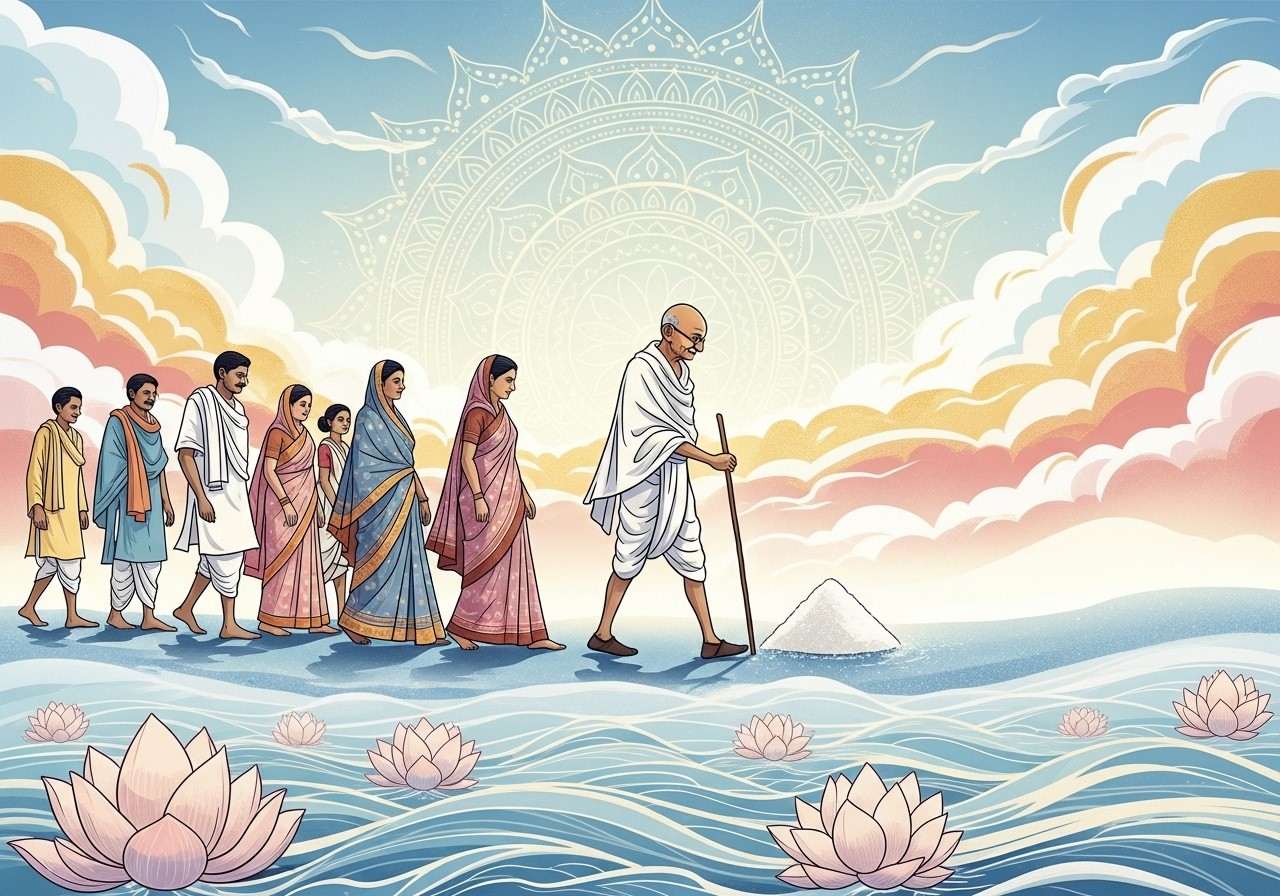
Many of us grew up reading our history textbooks and assuming that these two terms refer to the exact same event. While they are undeniably connected, the iconic coastal walk and the subsequent nationwide resistance represent distinct phases of a massive, unified struggle. The initial journey was a beautifully orchestrated, highly specific event designed to draw the world’s attention. Mahatma Gandhi, accompanied by 78 deeply devoted volunteers, embarked on a 390-kilometer spiritual and political journey from the peaceful Sabarmati Ashram to the coastal village of Dandi.
This incredible test of human endurance started on March 12, 1930. It culminated on April 6, 1930, when Bapu bent down to pick up a simple lump of salty mud from the Arabian Sea shore, openly and fearlessly defying the unjust colonial laws. On the other hand, the broader truth-force campaign—ignited by that very act—became a nationwide clarion call. It encouraged millions of ordinary Indians to produce salt themselves, purchase it outside the colonial system, and categorically refuse to pay the oppressive taxes.
The Many Names of the Civil Disobedience Spark
History remembers this monumental era by several affectionate and respectful names. People frequently refer to this overarching movement as the Salt March, the Salt Protest, or simply the Salt Campaign. Regardless of the terminology used, it perfectly illustrates Gandhi’s brilliant concept of Satyagraha, which loosely translates to “truth-force.” This movement went far beyond the simple act of making salt; it rapidly expanded to include the boycotting of foreign goods, the refusal to pay various unjust taxes, and a comprehensive challenge to the moral authority of the British Empire.
Key Differences Between the Initial Walk and the Broader Resistance
To fully honor the legacy of these events, it is essential to distinguish their specific roles in our march toward Purna Swaraj (complete independence):
- The Scope and Nature of the Events: The historic 1930 march was a highly specific, meticulously planned 24-day physical journey where Bapu and his close followers walked for miles to reach the sea. In stark contrast, the broader truth-force movement was a sweeping, nationwide campaign that enveloped the entire country, encouraging millions to break unfair laws within their own towns and villages.
- The Distinct Timelines and Origins: The inspiring journey on foot commenced with great devotion on March 12, 1930, and officially concluded upon reaching the coastal destination. The larger civil disobedience campaign, however, officially ignited on April 6, 1930, immediately after the symbolic law-breaking act at the shore, continuing for a much longer duration.
- The Core Objectives and Ultimate Impact: While the initial coastal trek primarily aimed to draw global attention and defy the absolute colonial monopoly over a daily essential, the overarching national campaign strove for complete self-rule. This wider movement powerfully challenged British authority, ultimately seeing over 60,000 brave Indians imprisoned, which showcased the unstoppable power of unified, nonviolent defiance to the entire world.
Connecting with Our Heritage Through Poojn.in
Reflecting on these monumental chapters of our freedom struggle naturally brings us closer to our cultural roots and instills a deep sense of national pride. At Poojn.in, India’s premier online destination for cultural goods, we are deeply committed to keeping you connected with our rich heritage and timeless traditions. Please note that while we do not provide travel packages or arrange VIP darshan at temples, we specialize entirely in bringing the pure essence of Indian culture right to your doorstep through authentic, high-quality products.
If you wish to delve deeper into the inspiring lives of our freedom fighters or teach the younger generation about these historic events, exploring our curated collection of books and educational materials is a wonderful place to start. Furthermore, embracing self-reliance—a core value deeply woven into the 1930 movements—is beautifully symbolized by wearing and using traditional Khadi. You can effortlessly browse and shop for authentic Khadi clothing and other culturally significant items at Poojn.in, ensuring that the warm spirit of Swadeshi continues to thrive beautifully in our modern, everyday lives.
For any thoughtful guidance on choosing the right cultural or ritual items for your home, our welcoming team is always here to assist you. You can easily reach out to us by calling 03369029784, or simply send us a friendly message via WhatsApp at 9476142738.
Embracing the Legacy and Moving Forward
The profound legacy of the 1930 resistance movements continues to embody India’s undying spirit, resilience, and unity. These historical milestones are not merely chapters in a textbook; they are living, breathing lessons in courage that teach us the sheer power of standing together for a just and righteous cause. The principles of nonviolence and civil disobedience demonstrated during these times eventually rippled across the globe, deeply inspiring international icons like Martin Luther King Jr. during the American Civil Rights Movement.
Today, as we navigate the complexities of modern life, we can find a boundless source of inspiration in these past struggles. By understanding our history and embracing the timeless values of truth and compassion, we honor the incredible sacrifices of our forefathers. Let us carry this radiant legacy forward, gracefully recognizing that every step we take toward cultural preservation and justice is a heartfelt tribute to those who walked the long, dusty roads before us.
Frequently Asked Questions About the 1930 Freedom Movements
Are the coastal walk to Gujarat and the larger salt campaign the exact same historical event? They are frequently used interchangeably in casual conversations, but they actually highlight different aspects of our history. The physical 24-day journey was the precise starting point, whereas the subsequent campaign was the massive, countrywide wave of civil disobedience that followed.
What are some other popular names used for this historic truth-force campaign? Many generations affectionately remember it as the Salt March or the Salt Protest. Regardless of the exact name, it remains a glowing, undeniable testament to the incredible power of peaceful resistance and a massive turning point in our quest for self-rule.
What was the true significance of the 24-day march led by Mahatma Gandhi? This landmark journey was crucial because it brilliantly highlighted the deeply oppressive nature of the tax imposed on a basic necessity by the British. It served as the perfect catalyst, sparking widespread, passionate protests across the length and breadth of India.
How did defying the tax laws lead to the broader Civil Disobedience Movement? By openly and peacefully breaking an unjust law, the initial movement served as a powerful green light for the entire nation. It greatly encouraged Indians from all walks of life to boldly defy various colonial laws without resorting to any form of violence.
Who was the guiding force behind the initial march to the sea? The deeply revered Mahatma Gandhi led the historic journey, starting from the peaceful grounds of the Sabarmati Ashram and walking alongside 78 dedicated volunteers all the way to the coastal village to produce the essential mineral.
What was the ultimate outcome of the nationwide defiance campaign? The movement successfully drew massive global attention to India’s heartfelt struggle for independence. It thoroughly exposed the moral bankruptcy of British rule and powerfully showcased the undeniable effectiveness of nonviolent mass protest.
Why was a simple kitchen ingredient chosen as the ultimate symbol of protest? Gandhi wisely chose this specific ingredient because it was an absolute daily necessity for everyone, regardless of their caste or class. Taxing it placed a cruel burden on the poorest of the poor, making the act of protesting it a deeply unifying and universally understood symbol against colonial exploitation.
How long did the initial journey of resistance actually last? The inspiring trek lasted for exactly 24 days. It covered an impressive distance of approximately 390 kilometers, or 240 miles, concluding at the shores of the Arabian Sea on the 6th of April, 1930.