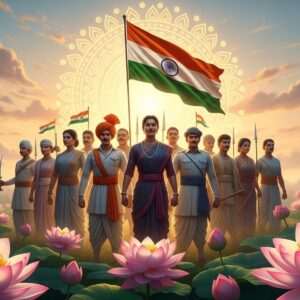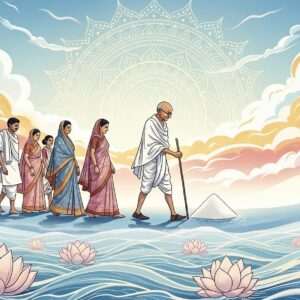

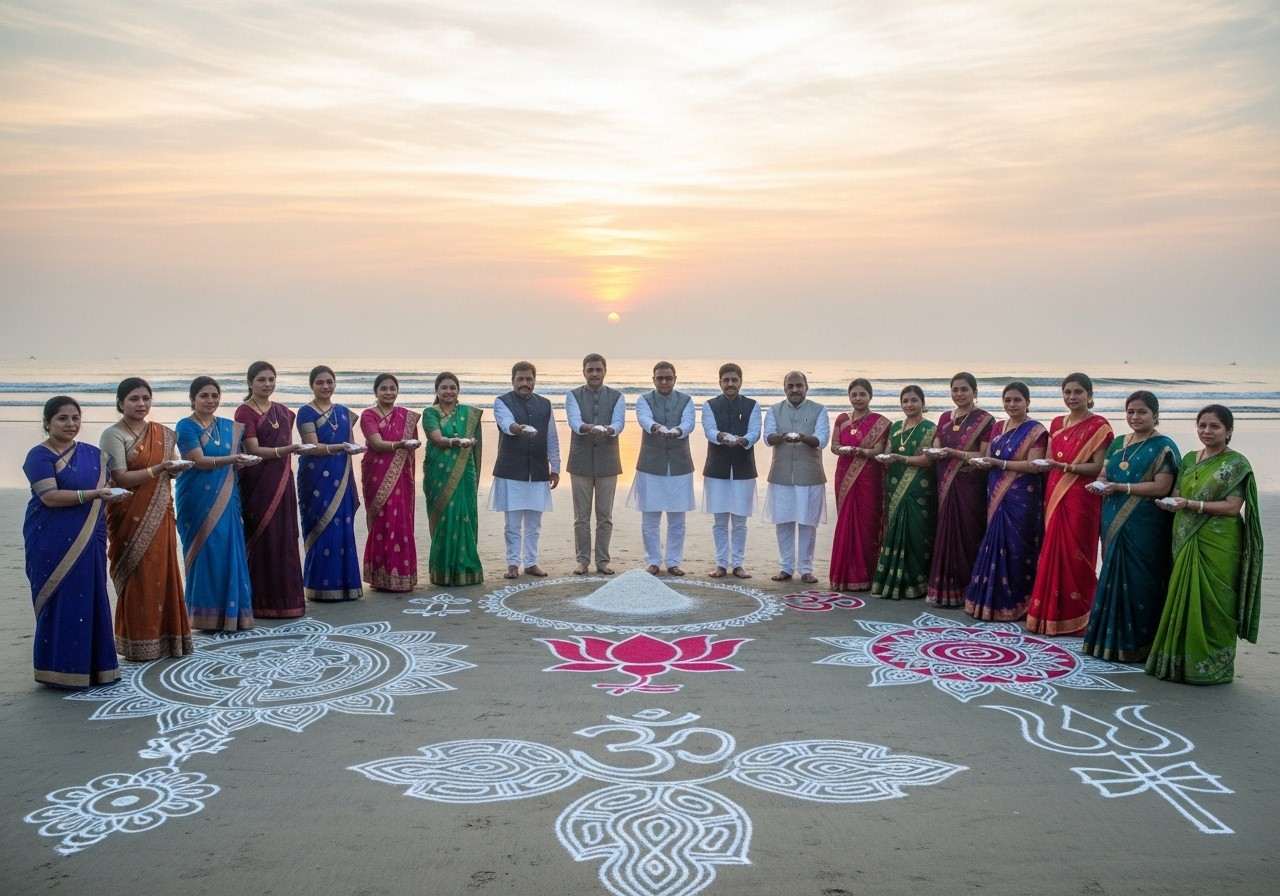
The historic civil disobedience movement of 1930 remains a defining chapter in India’s beautiful quest for independence. While Mahatma Gandhi’s iconic walk to Dandi to challenge the British salt monopoly is deeply etched in our hearts, this peaceful resistance was truly a collective roar that echoed across the length and breadth of the nation. Countless unsung regional leaders stood shoulder to shoulder with him, guiding local marches and keeping the sacred flame of nonviolent protest burning bright. In this article, we lovingly honor these extraordinary souls and explore how their grassroots efforts wove a magnificent tapestry of national unity.
Leading the Charge: The Valiant Torchbearers
Understanding this monumental era requires us to look beyond the primary narrative. When Gandhiji was arrested, the movement did not falter; rather, it found renewed strength in the capable hands of his dedicated followers. Abbas Tyabji, a deeply respected retired judge, alongside Kasturbai Gandhi, valiantly led the march toward the Dharasana Salt Works before gracefully accepting arrest themselves.
Following in their footsteps, the formidable Sarojini Naidu, together with Imam Sahib and Manilal Gandhi, took up the immense responsibility of leading the Dharasana raid. Meanwhile, in the North-West Frontier Province, Khan Abdul Ghaffar Khan organized a massive peaceful awakening in Peshawar, founding the beloved Khudai Khidmatgars, affectionately known as the Red Shirts. Their unwavering commitment beautifully showcased the rich diversity and unbreakable spirit of our motherland.
The Echoes of Resistance in Tamil Nadu
Down south, the coastal breeze carried powerful messages of profound patriotism. C. Rajagopalachari famously spearheaded a magnificent march from Trichinopoly to Vedaranyam, defying unfair colonial laws with incredible dignity and grace. This extraordinary journey was instrumental in awakening the local populace and seamlessly drawing them into the larger national struggle.
Accompanied by passionate visionaries like K. Kamaraj and deeply inspired by the fiery, soul-stirring words of Subramania Bharati, the region quickly blossomed into a stronghold for truth and nonviolence. Women activists such as Rukmini Lakshmipathi also bravely stepped forward, proving that the deep yearning for self-reliance beat strongly in every Indian heart, transcending all boundaries.
Local Adaptations in Odisha and Andhra Pradesh
In the eastern parts of our culturally rich country, the movement adapted wonderfully to the local socio-economic fabric. In Odisha, influential stalwarts like Gopabandhu Das, Gopabandhu Chaudhuri, and Nilakantha Das mobilized the masses, particularly breathing life into the coastal districts of Balasore, Cuttack, and Puri. The historic Inchudi march emerged as a powerful, enduring symbol of their collective defiance.
Similarly, the spiritual essence of this peaceful protest flowed abundantly through Andhra Pradesh. Vibrant marches took place across the districts of East and West Godavari, Krishna, and Guntur, reflecting a deep-seated, emotional desire to protect our indigenous rights and ancient traditions. These grassroots mobilizations were absolutely crucial in applying immense, undeniable pressure on the colonial administration.
Overcoming Challenges in the Heart of Kerala
The picturesque, serene Malabar region of Kerala also witnessed a breathtaking outpouring of nationalist sentiment. K. Kelappan, often remembered with immense reverence and love, led a highly determined march from Calicut to Payyanur, successfully bringing the waves of the movement to the southern shores.
Despite facing uniquely difficult regional challenges, local heroes like E. Moidu Moulavi and K. Madhavan worked tirelessly day and night to organize peaceful gatherings. Their pure dedication ensured that the public remained united, deeply connected to the broader vision of a culturally vibrant, self-reliant India.
Embracing Our Heritage with Poojn.in
At Poojn, we hold a profound reverence for the regional leaders who dedicated their lives to preserving our true Indian identity and spiritual traditions. We firmly believe that honoring our glorious past is closely tied to how we practice our culture in our everyday lives. Just as our beloved freedom fighters strongly advocated for self-reliance and indigenous goods, we are proudly devoted to bringing you the finest, authentic cultural items for your daily rituals through our online store. It is our humble tribute to the rich cultural heritage that these great men and women fought so hard to protect.
Authentic Products for Your Spiritual Journey
- Premium Incense Sticks and Holders: Elevate your daily prayers and moments of meditation with our beautifully crafted agarbattis and holders. These thoughtfully sourced aromatic items bring a soothing sense of purity, peace, and simplicity into your home, beautifully echoing the timeless values our leaders cherished.
- Traditional Khadi Attire: Embrace the true, proud essence of Swadeshi by exploring our elegant collection of traditional garments. Wearing these meticulously handcrafted pieces is a wonderful, respectful way to honor the legacy of self-reliance while directly supporting our talented indigenous weavers and artisans.
- Inspiring Books on Indian History: Deepen your understanding of our country’s glorious past with our carefully curated selection of cultural literature. These highly insightful books shed light on the unsung heroes of our traditions and struggles, ensuring their brave, inspiring stories are lovingly passed down to future generations.
For a seamless online shopping experience filled with cultural warmth and authenticity, please visit https://www.poojn.in to explore our complete range of offerings. You can also lovingly connect with our support team by calling 03369029784, or simply send a friendly WhatsApp message to 9476142738 if you ever need any guidance in finding the perfect authentic items for your spiritual needs.
Celebrating a Legacy of Unity in Diversity
The monumental civil disobedience of 1930 was far more than a simple political protest; it was a profound, soul-stirring journey that united the incredibly varied landscapes of India. While the Mahatma provided the overarching guiding light, it was the regional luminaries who illuminated the paths of hope within their own beloved communities. Their immense courage and sacrifice transformed a single act of peaceful defiance into a triumphant, nation-building awakening.
Recognizing these hidden gems of our history teaches us the enduring, beautiful value of collective effort and the unmatched strength found in our cultural diversity. Let us continue to honor their sacred legacy by keeping their stories alive in our homes and celebrating the rich, traditional heritage they so bravely defended for us all.
Curiosities About Our Freedom Struggle’s Regional Heroes
Many individuals often wonder who thoughtfully guided the civil disobedience movement alongside Mahatma Gandhi. The beautiful truth is that a multitude of dedicated regional leaders stepped up when the nation needed them most. Inspiring figures such as Sarojini Naidu, C. Rajagopalachari, and Abbas Tyabji were absolutely instrumental in organizing and selflessly leading local marches all across the Indian subcontinent.
Curiosity naturally arises about the notable figures spearheading the peaceful resistance in Tamil Nadu. The region witnessed incredible, dignified leadership under C. Rajagopalachari, who orchestrated the deeply impactful Vedaranyam March. Accompanied by passionate, resonant local voices, his tireless efforts ensured the movement’s message found a permanent home within the hearts of the southern communities.
It is also deeply fascinating to learn about the guiding lights in the sacred lands of Odisha and Kerala. In Odisha, visionaries like Gopabandhu Chaudhuri and Nilakantha Das championed the noble cause, popularizing the struggle in the beautiful coastal districts. Meanwhile, down in Kerala, K. Kelappan courageously led the inspiring march from Calicut to Payyanur, drawing massive, wholehearted public support from all walks of life.
You might fondly ask how Sarojini Naidu specifically contributed to this monumental historic event. She boldly and gracefully took charge of the Dharasana protest after the initial rounds of arrests were made. Her fearless, unwavering leadership and subsequent arrest captured global attention, shining a bright international spotlight on India’s peaceful, righteous fight for justice.
Understanding the broader, lasting impact of these regional leaders is truly essential for every Indian. By deeply mobilizing their local communities, they ensured the struggle reached every single corner of the nation. Their grassroots involvement not only amplified the movement’s strength but also cemented it as a beautiful, everlasting symbol of India’s unbreakable national unity.