


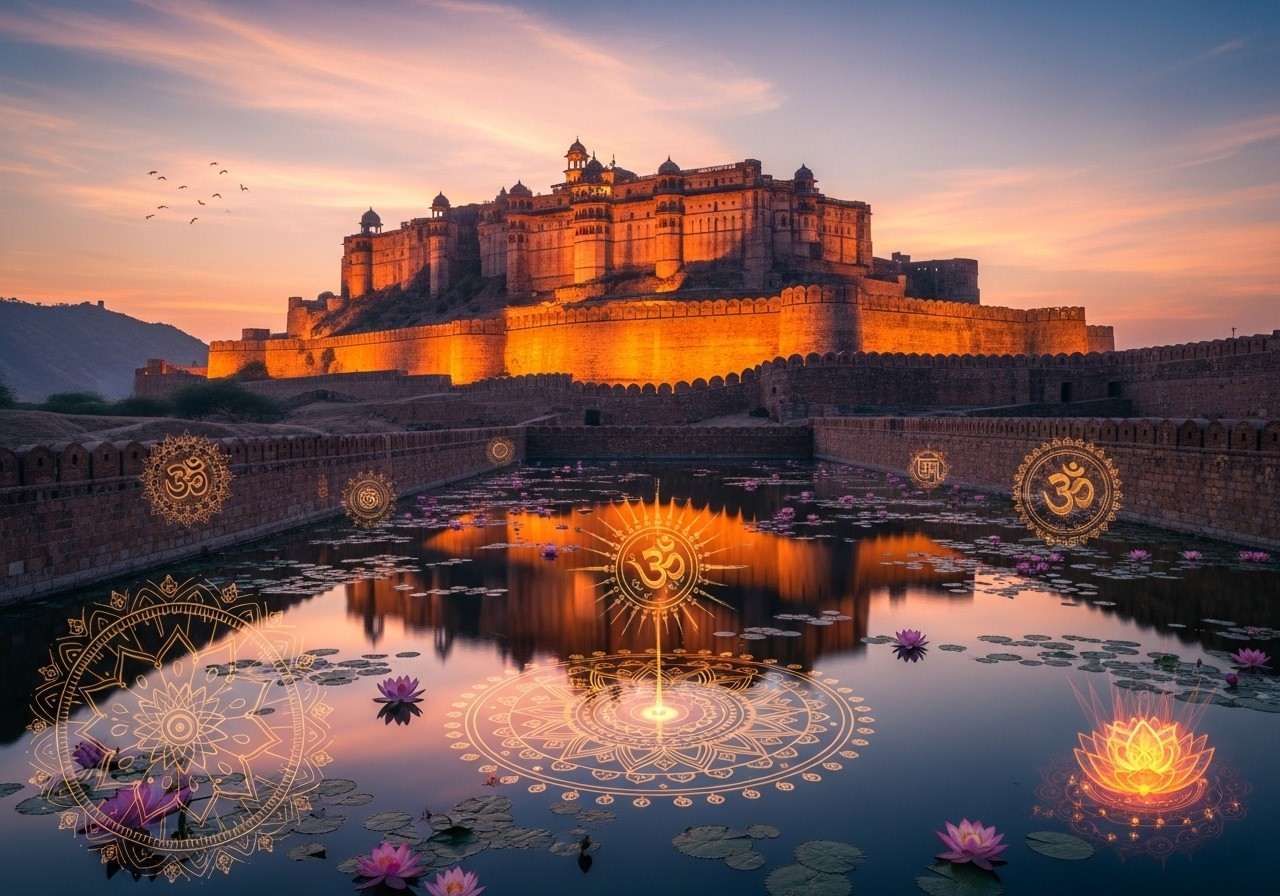
Namaste! Welcome to a journey through time and tradition. Rajasthan is a land where every grain of sand tells a story of unmatched courage and deep-rooted devotion. Among its many hidden jewels is the awe-inspiring historical monument known as Swarna Giri Durg, Golden Mount, or locally affectionately called Sonalgarh. Nestled in the heart of Marwar, this destination is not just a structural marvel but a profound spiritual retreat that beautifully marries history with the sacred.
Whether you are a history enthusiast or a seeker of divine blessings, this magnificent citadel stands proudly as a testament to ancient Rajput valor, intricate architecture, and the rich cultural grandeur of India. As you plan your itinerary for 2026, let us guide you through the sacred shrines and the legendary past of this steep granite hill, towering approximately 336 meters above sea level.
The Fascinating History of Sonalgarh
The origins of this majestic fortress trace back to an era of great kingdoms and fierce loyalties. Believed to have been constructed between the 8th and 10th centuries by the illustrious Paramara dynasty, it was once celebrated as one of the legendary “Nine Castles of Maru.” Its robust walls have witnessed the rise and fall of empires, seamlessly blending traditional Hindu-Rajput architectural brilliance with functional defense mechanisms.
In 1181 CE, the Chauhans of the Songara branch captured the stronghold, with Kirtipala laying the foundation for the Jalore line of Chauhans. However, it was under the visionary leadership of King Kanhad Dev that the Golden Mount reached its absolute zenith in strength and prestige. The fortress faced its most tragic yet heroic chapter in 1311 CE when Alauddin Khilji, the Sultan of Delhi, laid a fierce siege. This battle is etched in the hearts of locals for the supreme sacrifice of Jauhar, where brave Rajput women chose self-immolation to protect their honor. In later centuries, the Rathores of Marwar assumed control, integrating it into the princely state of Jodhpur.
Architectural Marvels: Steps to the Sky
The construction of this heritage site is a glorious showcase of ancient Indian engineering. Accessible only from the northern side, visitors must traverse a winding 3-kilometer uphill path that challenges the body but rewards the soul. This path leads you through three heavily fortified defense walls, with the main rampart standing an impressive 6.1 meters tall, adorned with ancient cannons on its bastions.
The layout includes four principal gates: Dhruv Pol, Suraj Pol, Siroh Pol, and Bal Pol. Among these, the Suraj Pol (Sun Gate) is particularly breathtaking. The brilliant ancient architects constructed Suraj Pol in such a precise manner that the first rays of the morning sun penetrate fully through the main doors, showering the entrance with natural, golden blessings.
Sacred Shrines: Temples and the Dargah Within the Golden Mount
For centuries, seekers have climbed these steep rocky paths not just for refuge, but for ‘darshan’ and spiritual solace. The sacred precincts within the walls beautifully reflect India’s religious harmony, housing Hindu temples, Jain shrines, and serene mosques side by side.
Among the revered sites is an ancient Shiva temple built by King Kannhadev, and a magnificent triple temple dedicated to the divine energies of Goddess Ashapuri, Amba Mata, and Lord Hanuman. Jain devotees frequently visit the historic temples of Adinath, Mahavira, Parshvnath, and Shantinath, with the Adinath temple being the oldest, dating all the way back to the 8th century.
The spiritual diversity extends further with the Killa Masjid, believed to have been constructed using the remains of older structures, alongside the peaceful Dargah of Saint Rahmat Ali Baba and the mausoleum of Pir Malik Shah. These sacred grounds offer a deep sense of peace, reminding us that true devotion transcends boundaries.
How Poojn.in Enhances Your Spiritual Journey
When you embark on a pilgrimage to such deeply revered sites, carrying authentic pooja samagri adds a deeply personal touch to your prayers. While Poojn.in does not offer travel packages, VIP darshan passes, or tour guidance, we take immense pride in being India’s biggest online cultural goods store. We provide all the necessary ritual items you might need to make your offerings pure and meaningful.
Before you set out for your darshan, consider bringing along these authentic items from our store:
- Premium Incense Sticks: Immersing yourself in the divine aura of these ancient shrines becomes a deeply moving experience when you carry the soothing fragrance of our premium agarbattis. These carefully rolled incense sticks create a tranquil, meditative atmosphere, helping you connect effortlessly with the divine energies lingering within the temple walls.
- Pure Camphor (Kapur): Lighting camphor is a profound, traditional way to dispel negativity and invite absolute purity into your prayers during your visit. Our pure, smokeless camphor is perfectly formulated for performing small, heartfelt aarti rituals safely, respectfully, and without leaving any messy residue behind.
- Traditional Diyas (Lamps): Offering a glowing light is a timeless Indian tradition that beautifully signifies the triumph of wisdom over darkness and hope over despair. By lighting our elegantly crafted traditional diyas at these centuries-old altars, you physically manifest your deep reverence and unwavering devotion to the presiding deities.
Enjoy the unparalleled convenience of having authentic, culturally rooted products delivered straight to your doorstep before your trip. To explore our extensive collection of pooja essentials, please visit our online store at https://www.poojn.in/. Should you need any assistance, feel free to contact our support team directly at 03369029784 or reach out to us via WhatsApp at 9476142738.
Plan Your Visit in 2026: Essential Travel Information
To ensure a smooth and respectful visit to this architectural wonder, a little thoughtful planning goes a long way. The ideal time to explore this heritage monument is from October to March, when the Rajasthan weather is wonderfully pleasant and perfectly suited for the steep hike.
Here are some vital details to help you prepare for your journey:
- Timings and Entry: The site warmly welcomes visitors completely free of charge. You can plan your ascent during the typical opening hours, which run from 5:00 AM to 12:00 PM, or later from 9:00 AM to 5:00 PM. Setting aside about 2 to 3 hours will give you ample time to soak in the atmosphere.
- How to Reach: Located conveniently near modern transit hubs, the nearest railway station is Jalore Railway Station (JLO), just 8 kilometers away. If you are flying, Jodhpur Airport is approximately 140 kilometers distant. The city is also remarkably well-connected by road to major cities across Rajasthan and neighboring Gujarat.
- Travel and Safety Tips: Because the historical pathway is steep, rocky, and demands physical effort, wearing sturdy, comfortable walking shoes is absolutely crucial for your safety. Make sure to carry adequate drinking water, a good pair of sunglasses, and light snacks, as commercial facilities at the summit are quite limited.
Most importantly, always dress modestly and respect the local customs, as this fort is an active place of worship and deeply sacred to the local community. While you are in the city, you might also want to explore the famous local granite industry, for which the district is highly renowned globally.
Reflecting on the Majesty of Rajasthan’s Heritage
This magnificent citadel is far more than just weathered stone walls and ancient battlements; it is a living, breathing canvas of history, unyielding faith, and unparalleled valor. As you plan your itinerary for 2026, you are not merely organizing a sightseeing tour; you are preparing to embrace a cultural tapestry that has woven its glorious legacy through countless centuries.
Immerse yourself in the serene, sacred atmosphere of the ancient shrines, and feel the indomitable spirit of the ancestors that still resonates in the desert wind. By visiting with a heart full of respect, staying hydrated, and honoring the traditions of the land, you ensure that your journey is as spiritually enriching as it is historically fascinating. Take a moment on the ramparts to admire the panoramic views of Marwar, taking home memories and a profound understanding of our shared cultural wealth.
Frequently Asked Questions About the Golden Mount
What is the historical significance of this magnificent Marwar stronghold?
The fortress boasts a deeply rooted past dating all the way back to between the 8th and 10th centuries. Originally constructed by the Paramara dynasty, it later became a critical stronghold for the Chauhans, standing as a proud testament to Rajasthan’s vibrant and valorous past.
Who was responsible for the initial construction of this architectural marvel?
According to confirmed historical records, the formidable structure was primarily built by the Paramara rulers. Under the later reign of King Kanhad Dev of the Chauhan dynasty, the fortress reached the absolute pinnacle of its defensive strength, prestige, and cultural significance.
Are there functioning places of worship within the citadel’s walls?
Yes, the expansive grounds house several ancient and revered places of worship. You will find a historic Shiva temple, a glorious triple temple dedicated to Ashapuri, Amba Mata, and Hanuman, as well as multiple exquisite Jain shrines dating as far back as the 8th century.
Is there a Dargah located inside the historic monument?
Indeed, the site beautifully represents India’s spiritual diversity. Within its ancient walls, you will discover the Dargah of Saint Rahmat Ali Baba and the mausoleum of Pir Malik Shah, which offer a deeply peaceful retreat for visitors of all faiths.
What are the most important things to know before visiting in 2026?
You should definitely plan your trip between October and March to comfortably avoid the intense summer heat of Rajasthan. Since reaching the summit involves a steep, 3-kilometer rocky hike, wearing very comfortable footwear and carrying plenty of drinking water is highly recommended.
How can travelers easily reach this prominent historical destination?
The location is highly accessible by various modes of transport. The nearest railway station is just 8 kilometers away in the main town, while the closest airport is in Jodhpur, about 140 kilometers away. The region is also excellently connected by well-maintained roads from Gujarat and other parts of Rajasthan.