
There is a unique, bittersweet emotion that fills the air in every Bengali household as Navaratri draws to a close. The maddening beats of the Dhak (drums) slow down, and the vibrant pandals that were teeming with life suddenly feel a little quieter. This marks the arrival of Vijaya Dashami, or as it is fondly known in West Bengal, Bijoya Dashami. It is not just a date on the calendar; it is a heartfelt farewell to Goddess Durga as She prepares to leave her maternal home and return to Mount Kailash with her children.
For us in India, this festival is the ultimate victory of good over evil, symbolizing how Maa Durga triumphed over the demon Mahishasura. But beyond the mythology, it is a day of coming together. It is about wiping away tears of parting and replacing them with the joy of Shubho Bijoya—a time to embrace loved ones, seek blessings from elders, and look forward to the next year with hope.
The Deep Cultural Significance of Vijaya Dashami
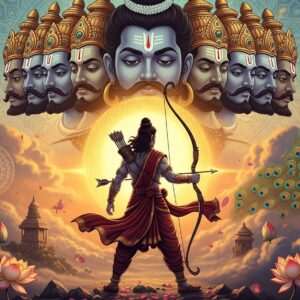
Vijaya Dashami typically falls in September or October, on the tenth day of the lunar calendar. While the rest of India burns effigies of Ravana, in Bengal, the mood is deeply sentimental. The day signifies the cycle of arrival and departure, reminding us that every goodbye carries the promise of a return. It is believed that on this day, the Goddess begins her journey back to her husband, Lord Shiva, leaving her devotees with a heavy heart but a cleansed spirit.
This day is considered incredibly auspicious for new beginnings. Whether you are starting a new business, buying a vehicle, or simply beginning a new chapter in life, the blessings of Maa Durga on this day are believed to bring immense success and prosperity.
Rituals That Define Bijoya Dashami
The beauty of this festival lies in its rituals, which are performed with meticulous care and deep devotion. These traditions have been passed down through generations and are what keep our culture alive.
- Devi Boron (The Farewell): Before the immersion, married women, often referred to as Sumangalis, perform the Devi Boron. They offer sweets, betel leaves, and paan to the Goddess, symbolically wiping Her face and preparing Her for the long journey ahead. It is a touching moment where the Goddess is treated not just as a deity, but as a daughter of the house being bid farewell.
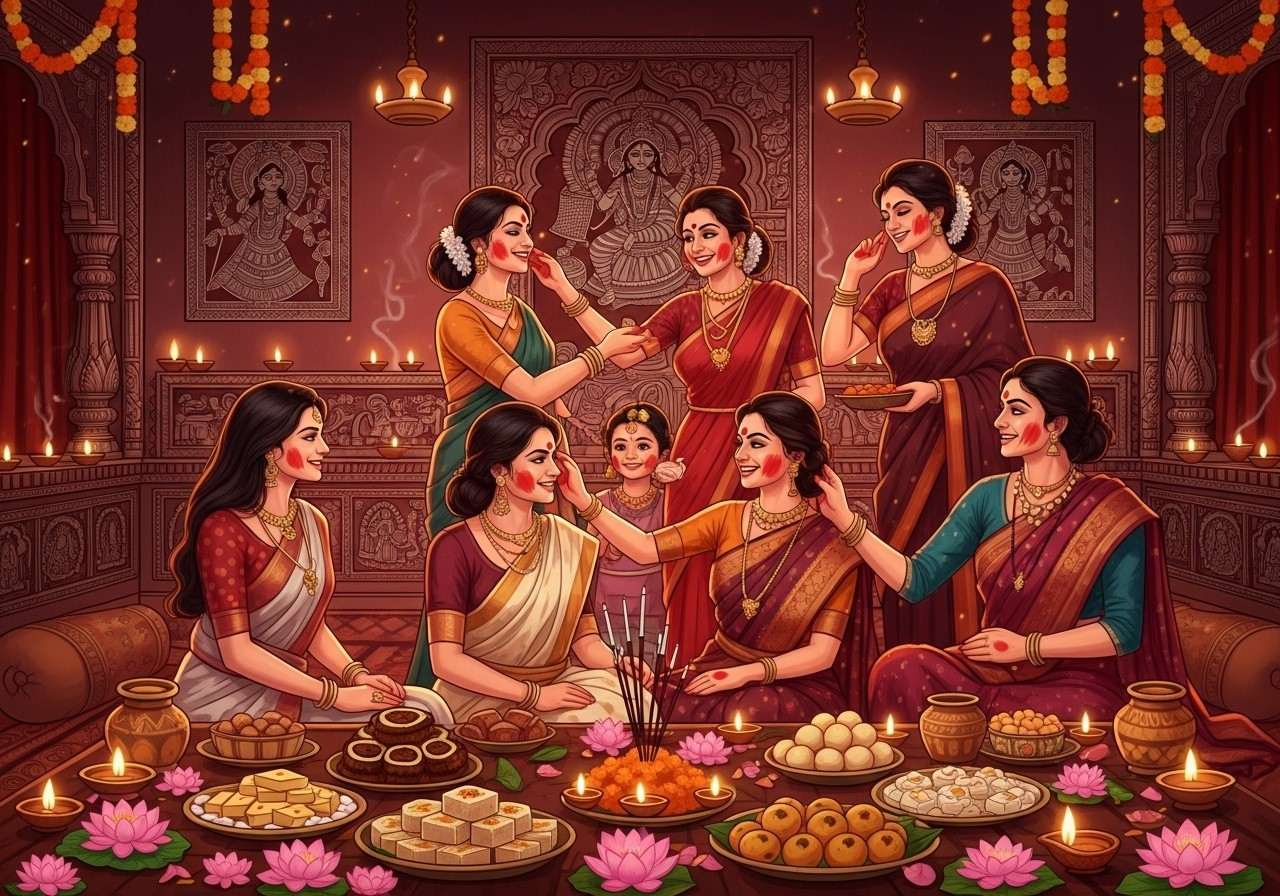
- Sindoor Khela (Vermilion Play): This is perhaps the most visually stunning ritual of the day. Dressed in traditional red and white sarees, women apply sindoor (vermilion) to the idol’s forehead and then smear it on each other. This vibrant celebration symbolizes prayers for the long life of their husbands, marital bliss, and prosperity for the family, turning the atmosphere into a sea of red.
- Protima Visarjan (Immersion): As the day progresses, the idols are carried in grand processions toward the river. The air resonates with chants of “Bolo Durga Mai Ki Joi!” and “Asche Bochor Abar Hobe” (It will happen again next year). The immersion of the idol in the water symbolizes the merging of the form into the formless, a powerful reminder of the impermanence of life.
- Pronam and Ashirwad: Once the immersion is done, the social aspect of the festival begins. It is a strict tradition to visit the homes of elderly relatives to touch their feet and seek Pronam (blessings). The younger generation learns the value of respect and humility, strengthening family bonds that might have loosened over the year.
Authentic Puja Essentials at Your Doorstep
We understand that performing these rituals requires specific items that hold spiritual value. Whether it is the pure sindoor for the playful Khela or the specific ingredients needed for the Devi Boron, purity is paramount. At Poojn.in, we are dedicated to bringing you authentic cultural goods that honor your traditions.
Our store offers a curated selection of Dashakarma essentials, high-quality incense, diyas, and sacred powders. We ensure that while you live a modern life, your connection to your roots remains unbreakable. Please note that we strictly sell cultural goods and do not offer travel packages or temple darshan services. You can explore our collection of genuine ritual items at Poojn.in to ensure your next puja is performed with the utmost sanctity.
Feasting and Flavors: The Taste of Bijoya
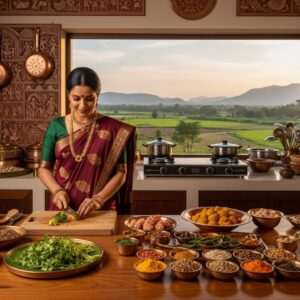
No Bengali festival is complete without food, and Vijaya Dashami is a culinary extravaganza. After the emotional farewell, the mood lifts with feasts that are shared among neighbors and family.
- Sweets and Mishti: As people visit each other to say “Shubho Bijoya,” sweets are exchanged as a gesture of goodwill. Plates are piled high with Rosogolla, Sandesh, Naru (coconut laddoos), and Nimkis. It is a custom to sweeten the mouth to ensure that no bitterness remains in relationships.
- Traditional Savory Dishes: In many households, this is the time for savory comforts like Ghugni (spiced yellow peas) and Luchi. Interestingly, in some aristocratic families, there is a ritual called Arandhan, where no fresh cooking is done on this day; instead, Panta Bhat (fermented rice) and Kachu Shaag (colocasia greens) are offered to the Goddess and consumed by the family.
- The Fish Delight: For many Bengalis, the celebration is incomplete without Ilish (Hilsa fish). It represents wealth, comfort, and the continuity of tradition. Preparing these dishes at home brings the family together, filling the house with aromas that define the festive season.
Modern Celebrations and Staying Connected
In today’s fast-paced world, the way we celebrate has evolved, but the spirit remains the same. While the core rituals are timeless, technology has helped bridge the gap for those living away from home. Video calls have replaced physical visits for those abroad, and digital greetings carry the warmth of Shubho Bijoya across continents.
For the busy urban Indian who values tradition but lacks the time to source items from crowded markets, online shopping has been a blessing. It allows you to focus on the devotion and family time, rather than the stress of logistics. By sourcing your ritual needs online, you ensure that the specific requirements of the puja are met without compromise.
Common Questions About Celebrating Shubho Bijoya
The Essence of the Greeting
Many people ask what Shubho Bijoya actually means. It is essentially a greeting exchanged after the immersion of the Durga idol. It translates to “Happy Victory” and is a way of sharing love, forgiveness, and sweets among friends and family, marking the successful completion of the festival.
Understanding the Food Rituals
A common query revolves around the specific foods eaten. Apart from the famous sweets like Kheer Kadam and Rasgulla, the Vijaya Dashami Bhog is significant. It often includes Khichuri, Labra (mixed vegetables), and joyous offerings that are shared as community food to spread equality and happiness.
Sending Wishes in the Digital Age
If you are wondering how to send wishes when you cannot visit in person, personalized messages reflecting Bengali warmth are the best approach. Whether through social media or digital cards, the intent is to convey blessings for peace, prosperity, and health. It is the thought and the respect behind the message that truly counts.
Why We Perform Sindoor Khela
The ritual of Sindoor Khela is deeply rooted in the wish for marital longevity and domestic peace. It is not just about the vermilion; it is about the sisterhood and the shared prayers of the women in the community. It turns the sorrow of the Goddess’s departure into a celebration of womanhood and family life.
As we navigate our modern lives, keeping these flames of tradition alive is what grounds us. At Poojn.in, we are honored to be a small part of your spiritual journey, providing you with the cultural goods you need to keep your heritage vibrant. Shubho Bijoya to you and your family!