

Punjab is often celebrated for its vibrant fields and spirited people, but hidden within its heart lies a city that whispers tales of European elegance and royal grandeur. Kapurthala, often lovingly called the “Paris of Punjab,” is a fascinating blend of our rich Indian traditions and French architectural brilliance. For those of us who cherish our history, walking through Kapurthala feels like flipping through the pages of a golden era.
The city’s transformation from a sovereign princely state to a bustling modern district is a story of resilience and vision. It is a place where the legacy of the Ahluwalia dynasty lives on, not just in stone and mortar, but in the cultural pride of its people.
The Historical Roots: A Legacy of the Ahluwalia Dynasty
To understand the soul of this city, we must look back to the late 18th century. The state was founded by the brave Sardar Jassa Singh Ahluwalia, who named it in honor of the revered Sikh leader, Nawab Kapur Singh. While Gulab Singh is credited with its establishment in 1752, it was under the Ahluwalia rulers that the state truly found its identity.
In 1846, Kapurthala entered into a relationship of suzerainty with the British. What made this state unique was its ability to balance power; while acknowledging British authority in foreign matters, the rulers fiercely maintained control over internal affairs. This autonomy allowed them to preserve their unique cultural fabric. The State Flag was not just a piece of cloth but a symbol of this hard-earned sovereignty and royal lineage.
When our nation faced the monumental shift of Partition in 1947, Maharaja Jagatjit Singh made the decisive choice to integrate Kapurthala into India. By 1956, this royal territory officially merged into the state of Punjab, marking the beginning of a new chapter.
Maharaja Jagatjit Singh: The Modern Visionary
One cannot speak of Kapurthala without bowing in respect to the vision of Maharaja Jagatjit Singh. Ascending the throne in 1872, he was a ruler far ahead of his time. He didn’t just rule; he transformed. His love for French art and culture earned the city its famous nickname.
He was a global figure who represented India at the League of Nations in the 1920s, yet his heart remained in Punjab. He prioritized education and infrastructure, laying the groundwork for the modern city we see today. His legacy teaches us that true progress comes from embracing the new while respecting the old.
Keeping Traditions Alive in Your Home
Just as the Maharajas of Kapurthala took great care to preserve their heritage through architecture and rituals, we too must strive to keep our traditions alive in our daily lives. Whether it is a simple morning prayer or a festive celebration, the purity of the process matters.
At Poojn.in, we understand the emotional value of these rituals. As India’s biggest store for cultural goods, we bring you authentic items to help you stay connected to your roots. While we do not offer travel packages or temple tours, we specialize in delivering the spiritual essentials you need right to your doorstep.
Discover our exclusive collection today:
Visit Poojn.in for Authentic Puja Samagri & Cultural Essentials
Architectural Marvels: Where East Meets West
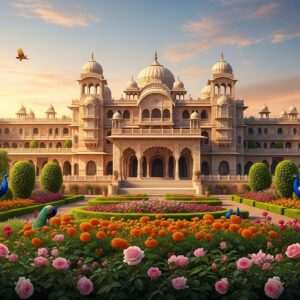
The skyline of Kapurthala is a testament to a unique architectural fusion. The buildings here are not merely structures; they are art. The blend of Indo-Saracenic and French styles creates a visual treat that is rare in India.
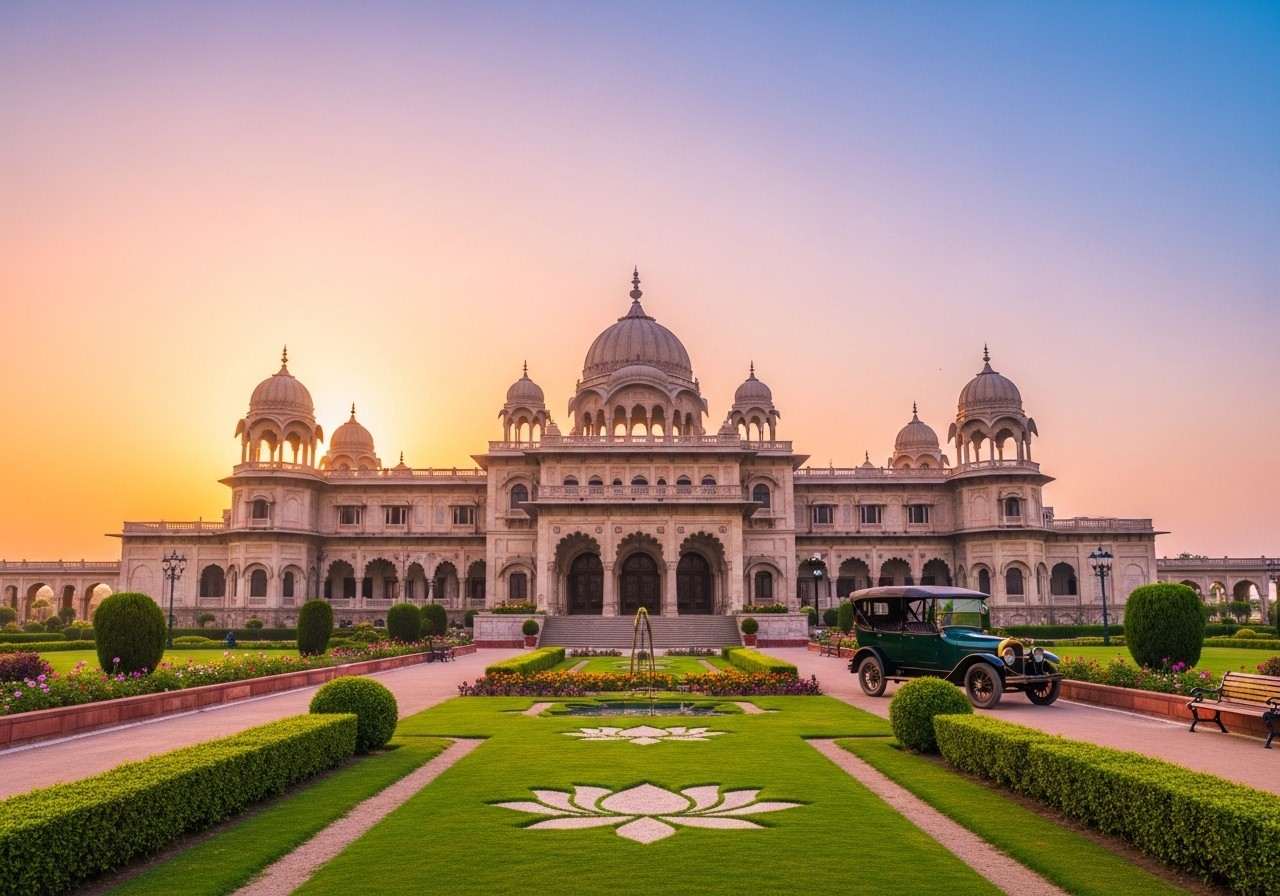
- The Jagatjit Palace: Modeled after the Palace of Versailles and the Fontainebleau, this is the crown jewel of the city. Since 1961, it has served as the Sainik School Kapurthala, molding young minds within walls that echo royal history.
- The Moorish Mosque: A symbol of the Maharaja’s secular spirit, this mosque was commissioned in 1930. Designed by the French architect M. Manteaux, it draws inspiration from the Grand Mosque of Marrakesh in Morocco, showcasing a beautiful harmony of cultures.
- Elysée Palace: Built in 1961 by Kanwar Bikram Singh, this structure was inspired by the official residence of the French President. Today, it stands as a luxury heritage hotel, allowing guests to experience a slice of royal living.
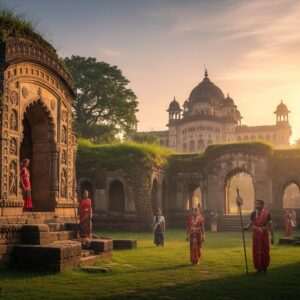
- Shalimar Gardens: Offering a moment of peace, these gardens are modeled after the famous Shalimar Bagh in Jammu & Kashmir. The serene pond and the historic Shahi Samadhan (royal cenotaphs) make it a place of quiet reflection.
- Durbar Hall: This 130-year-old monument is a stunning example of Indo-Saracenic design. Currently, the Punjab Government is undertaking restoration efforts to ensure this legacy survives for future generations.
From Royal State to Modern District
Today, Kapurthala is transitioning gracefully. It is no longer just a relic of the past but a thriving district. The economy has diversified from its agrarian roots to include industry and tourism, fueled by the very heritage the city preserves. The Punjab Government has been active in conserving these ancient monuments, understanding that our history is our greatest asset.
However, modernization brings its own challenges. Balancing urban growth with heritage conservation is a delicate task. Yet, the spirit of the city remains strong. Educational institutions established by the royal family continue to nurture talent, ensuring that the youth of Kapurthala carry forward the torch of knowledge lit by their ancestors.
Frequently Asked Questions About Kapurthala’s Heritage
Understanding the significance of the Princely State
Many history enthusiasts often wonder what made the Kapurthala princely state so distinct. It was primarily known for its cosmopolitan culture, progressive rulers like Maharaja Jagatjit Singh, and a stunning architectural landscape that defied the typical styles of the region.
The transition to a modern city
There is often curiosity about how a royal state becomes a modern hub. For Kapurthala, this transition was driven by early investments in education and infrastructure by the royals, followed by industrial growth and integration into the Indian union, turning it into a vibrant urban economy.
The legacy of the State Flag
We often get asked about the symbols of the past. The Kapurthala state flag remains a powerful emblem of the state’s royal lineage and its historical autonomy during the British era.
Current Cultural Influence
Visitors frequently ask if the royal past still matters today. The answer is a resounding yes. The royal heritage deeply influences local festivals, arts, and the general way of life, making Kapurthala a city that respects its roots while looking towards the future.
Connect with your own traditions today. For high-quality spiritual and cultural products, trust Poojn.in to bring the essence of India to your home.