


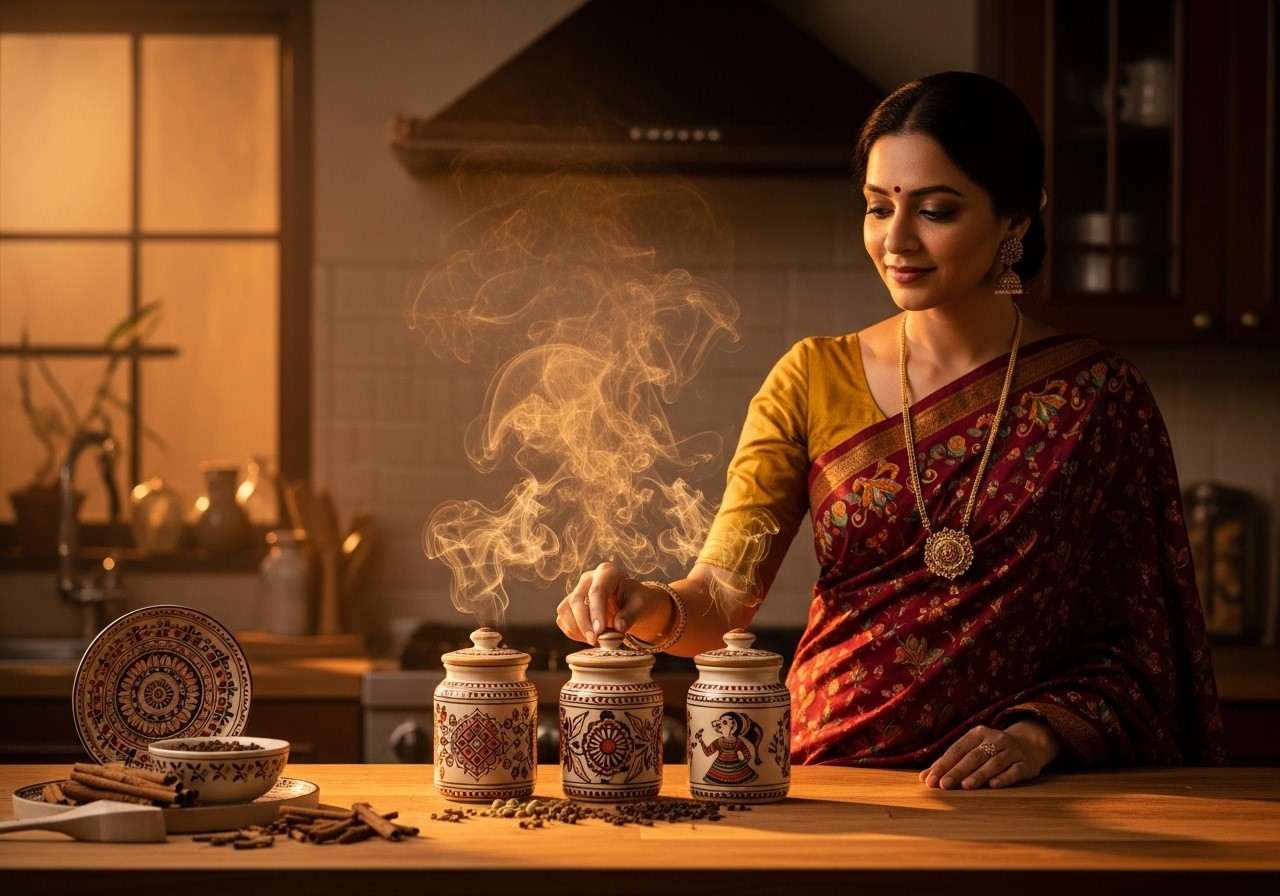
If you close your eyes and think of an Indian kitchen, what comes to mind? It isn’t just the sound of a whistling pressure cooker or the sizzle of tadka; it is the intoxicating aroma that wraps around you like a warm hug. Indian cuisine is not merely about eating; it is a symphony of flavors where spices play the lead melody. Among the vast treasure trove of our spices, three stand out as the pillars of our culinary and cultural identity: Cloves, Cardamom, and Cinnamon.
These aren’t just ingredients we toss into a pot. They are the keepers of our grandmother’s secrets, the medicine in our home remedies, and the sacred offerings in our rituals. Today, we explore the rich history, deep-rooted cultural significance, and healing powers of these three wonders that truly define the soul of India.
Cloves: The Warmth of Tradition
Known affectionately as Lavang in many of our households, cloves are the dried flower buds of the Syzygium aromaticum tree. But to us, they are much more than a botanical specimen. In the tapestry of Indian cooking, cloves provide a bold and fiery depth that anchors the flavor of dishes like biryani and rich kormas.
Beyond the plate, cloves hold a special place in our wellness traditions. Remember the time you had a toothache and your Nani immediately reached for a clove? That’s because of its powerful analgesic and antibacterial properties, a wisdom passed down through generations. In Ayurveda, cloves are valued for their ability to generate heat and improve digestion.
Explore authentic herbal products and jaribooti at Poojn.in to bring this purity into your home.
Cardamom: The Queen of Fragrance
If spices had royalty, Cardamom (Elaichi) would undoubtedly be the Queen. Its sweet, floral, and slightly eucalyptus-like aroma is the signature scent of Indian hospitality. Whether it’s the welcoming cup of Masala Chai offered to a guest or the festive Kheer that marks a celebration, green cardamom is omnipresent.
Culturally, cardamom is associated with Goddess Lakshmi, symbolizing wealth and abundance. In many communities, offering cardamom to guests is a gesture of high respect and honor. It is also a mood lifter; the mere scent of crushed elaichi can reduce stress and uplift the spirit, acting as a natural aromatherapy agent right in your kitchen.
Cinnamon: The Bark of Prosperity
Dalchini, or Cinnamon, brings a comforting warmth that feels like home. Unlike the harsh heat of chilies, cinnamon offers a sweet, woody warmth that rounds out the flavors of a dish. It is a key player in the classic Garam Masala—a blend that was historically considered a status symbol fit for royalty.
From a health perspective, modern science is now catching up to what our ancestors knew: cinnamon is a powerhouse for regulating blood sugar and fighting inflammation. In our rituals, cinnamon is often used to purify the air and attract prosperity. It is believed that the smoke of burning cinnamon can cleanse a space of negative energy, making it a vital part of spiritual practices.
The Healing Triad: Ayurvedic Wisdom
When these three come together, they don’t just create flavor; they create wellness. According to Ayurveda, this trio helps balance the Vata dosha, which governs movement and digestion in the body.
- Digestive Aid: A simple tea made by boiling these three spices can settle an upset stomach and boost metabolism.
- Immunity Booster: Their combined antiviral and antioxidant properties make them a go-to remedy during the changing seasons to ward off colds and flu.
At Poojn.in, we understand that purity matters. Whether you are performing a Homa or preparing a feast for your family, the quality of your ingredients dictates the outcome. We are India’s biggest cultural goods store, dedicated to keeping these traditions alive.
Cultural Significance: More Than Just Food
In India, the line between the kitchen and the prayer room is often blurred. These spices are integral to our religious ceremonies and festivals. During Diwali or Durga Puja, the specific aromas of these spices mixed with incense create an atmosphere of divinity. They are often included in the “Siri-box” or treasure box in traditional weddings, symbolizing the wish for the couple’s life to be filled with flavor, health, and prosperity.
Using pure, high-quality spices is a form of respect—both to the deities we worship and the family we nourish. It is a way of saying, “I care enough to give the best.”
Looking for authentic ritual items? Browse our extensive collection of Pooja Samagri here.
Frequently Asked Questions About Indian Spices
Why are cloves, cardamom, and cinnamon considered the “soul” of Indian cooking?
These three spices form the base of the fundamental Indian spice blend, Garam Masala. They provide the essential balance of heat, sweetness, and aroma that characterizes the complex flavor profile of Indian cuisine. Their ubiquitous presence in everything from morning tea to dinner curries makes them indispensable.
How can I use these spices for health benefits in my daily routine?
The simplest way is to infuse them in your drinking water or tea. Boiling a stick of cinnamon, a few cloves, and a pod of cardamom in water creates a detoxifying drink that aids digestion and clears the respiratory tract. You can also chew on a single clove or cardamom pod after meals as a natural mouth freshener and digestive aid.
Are these spices used in religious rituals?
Absolutely. Beyond the kitchen, they are often used in Havan Samagri (sacred fire offerings) because of their purifying properties. Cardamom is frequently offered to deities as Naivedyam (food offering), and cinnamon is used in various prosperity rituals to attract positive energy.
Where can I find authentic cultural and ritual goods online?
You can find a wide range of authentic cultural goods, from ritual ingredients to traditional items, at Poojn.in. We are committed to providing genuine products that respect your traditions. For assistance, you can call us at 03369029784 or WhatsApp at 9476142738.
Indian cuisine and culture are inseparable. By understanding the deeper value of these common kitchen spices, we reconnect with a legacy that values wellness, flavor, and spirituality equally. So, the next time you crush a cardamom pod or break a cinnamon stick, remember—you are holding centuries of Indian wisdom in your hands.