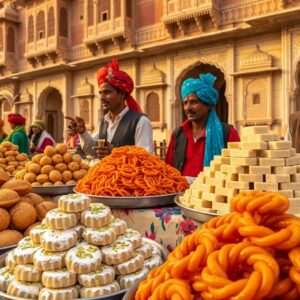


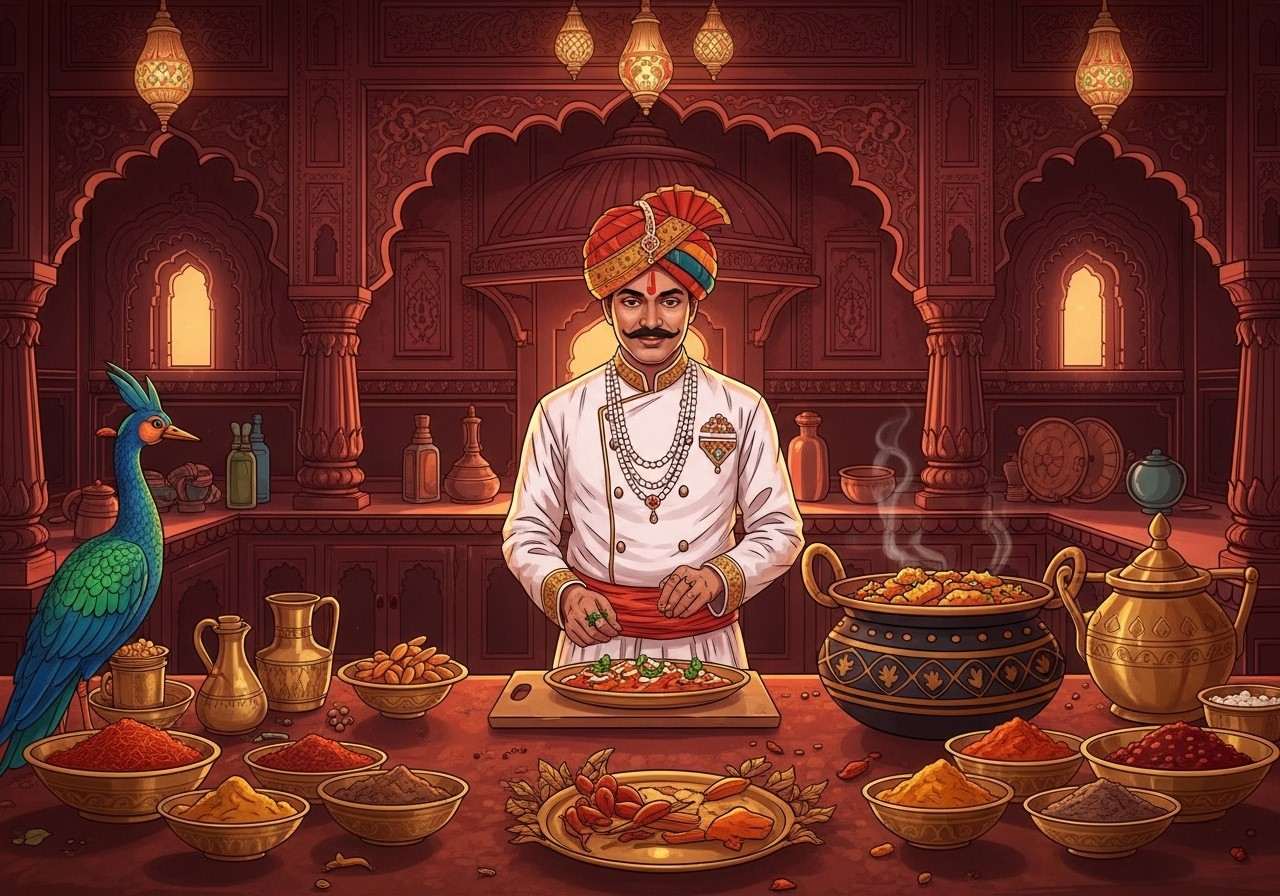
Rajasthan is not just a state; it is a feeling. It is the land of Padharo Mhare Desh (Welcome to my land), where hospitality is a way of life and food is a celebration of survival and royalty. When we talk about Rajasthani cuisine, we are embarking on a delicious journey through the golden sands of the Thar Desert and the grand palaces of Rajput kings. This cuisine is a beautiful blend of war-time necessities and royal indulgences, shaped by the arid landscape where every drop of water is precious.
For us Indians, food is emotion. The zayka (flavor) of Rajasthan comes from its ability to turn the simplest ingredients into a feast fit for kings. Whether you are a food lover or someone who cherishes our rich Indian heritage, understanding the secrets of this kitchen will bring a warm, spicy, and earthy touch to your own cooking.
The Soul of the Desert: How Geography Shaped the Plate
The cooking practices of Rajasthan were born out of necessity. In the dry heat of the desert, fresh vegetables were often scarce, and water was too valuable to be used liberally in cooking. This led to a unique culinary innovation that defines the region today.
-
The Magic of Dairy: Since water was limited, the resourceful people of Rajasthan turned to milk, buttermilk, and generous amounts of Ghee (clarified butter). Ghee is not just an ingredient here; it is the medium of cooking that enhances the taste and provides much-needed nutrition.
You will find that gravies are often cooked entirely in milk or yogurt, giving them a rich, velvety texture that balances the heat of the spices. -
Sun-Dried Treasures: To survive long periods without fresh produce, locals mastered the art of dehydration. Ingredients like Ker (a wild berry) and Sangri (a desert bean) are sun-dried and stored for the year.
Dried mango powder, known as Amchur, is a staple pantry item used to add a tangy kick to dishes, acting as a perfect substitute for tomatoes which were not always available.
Spices: The Heartbeat of Rajasthani Food
If you take away the spices, you take away the soul of Rajasthani food. The cuisine is famous for its fiery red color and bold aromas that hit the senses immediately. This isn’t just about heat; it is about a symphony of flavors that aid digestion and keep the body cool in the desert heat.
The iconic Mathania Red Chili is legendary for adding a brilliant red hue without being overwhelmingly spicy. Alongside this, golden Turmeric and earthy Coriander seeds form the base of many curries. A special mention goes to Asafoetida (Hing), which is used generously in vegetarian dishes to enhance the umami flavor, especially when onions and garlic are skipped during religious festivals.
At poojn.in, we understand that the secret to authentic taste lies in the purity of ingredients. We offer a range of cultural goods that resonate with these traditions, ensuring you stay connected to your roots.
Traditional Cooking Techniques
In the age of instant cooking, Rajasthani food reminds us of the virtue of patience. The royal kitchens believed in slow cooking over low heat to let the flavors mature. Meat dishes, in particular, are cooked for hours until they are tender enough to fall off the bone.
-
The Dhungar Method: This is a technique that gives dishes a smoky, restaurant-style flavor right at home. A piece of live coal is placed in a small bowl in the center of the pot, and Ghee is poured over it.
The pot is then tightly covered, trapping the smoke inside. This allows the aroma to permeate the food, creating a rustic, earthy flavor that is typical of food cooked on wood fires. -
Cooking on the Tawa: Breads are the lifeline of a Rajasthani meal. Rotis made from Bajra (pearl millet) or Makki (corn) are skillfully cooked on a Tawa (a flat griddle).
Often, these thick rotis are cooked over an open flame or cow dung cakes in villages to ensure they are cooked through and have a crispy, smoky exterior.
Iconic Dishes You Must Know
No discussion on Rajasthan is complete without mentioning Dal Baati Churma. It is not just a dish; it is a complete meal. The spicy mix of lentils (Dal), baked wheat balls (Baati), and sweet crumbled wheat (Churma) creates a perfect balance of savory, spicy, and sweet textures.
For those who love non-vegetarian food, Laal Maas is the crown jewel. Historically prepared after a royal hunt, this mutton curry is fiery, rich with garlic, and deeply satisfying. On the vegetarian side, Gatte ki Sabzi—gram flour dumplings cooked in a yogurt gravy—is a household favorite that proves you don’t need vegetables to make a delicious curry.
Bring the Royal Flavor Home with Poojn
Cooking these authentic dishes requires spices and tools that are true to their origins. At Poojn.in, we are dedicated to bringing you the finest cultural goods that help you recreate these traditions in your own kitchen. Whether you are looking for specific ritual items to bless your kitchen or goods that celebrate Indian heritage, we are your trusted partner.
Our store offers a variety of traditional items that are essential for any Indian household. Shopping with us is convenient and reliable. You can easily order online and have a piece of India delivered right to your doorstep. For inquiries, you can reach out to us at 03369029784 or WhatsApp us at 9476142738.
Common Questions About Rajasthani Cooking
We often hear people asking about the spice levels in this cuisine. While it is true that Rajasthani food is known for being spicy, the heat is often balanced by the use of dairy products like milk, cream, and yogurt. If you are cooking at home, you can always adjust the red chili powder to suit your family’s taste without losing the authentic flavor.
Another common query is regarding the use of vegetables. People are surprised to learn that many traditional dishes, like Ker Sangri or Papad ki Sabzi, don’t use fresh vegetables at all. This is a testament to the creativity of our ancestors who made the most of what the desert land provided. These dried ingredients have a unique, chewy texture and an intense flavor that fresh vegetables simply cannot match.
Finally, many wonder about the best oil for cooking these dishes. While modern oils are available, to get that true Desi taste, we highly recommend using Ghee or mustard oil. Ghee not only adds a nutty aroma but also helps in digesting the heavy spices used in the gravies.
Embracing Rajasthani cuisine is about more than just following a recipe; it is about honoring a culture that values resilience, hospitality, and the joy of sharing a meal. We hope this journey inspires you to bring these royal flavors to your dining table.