

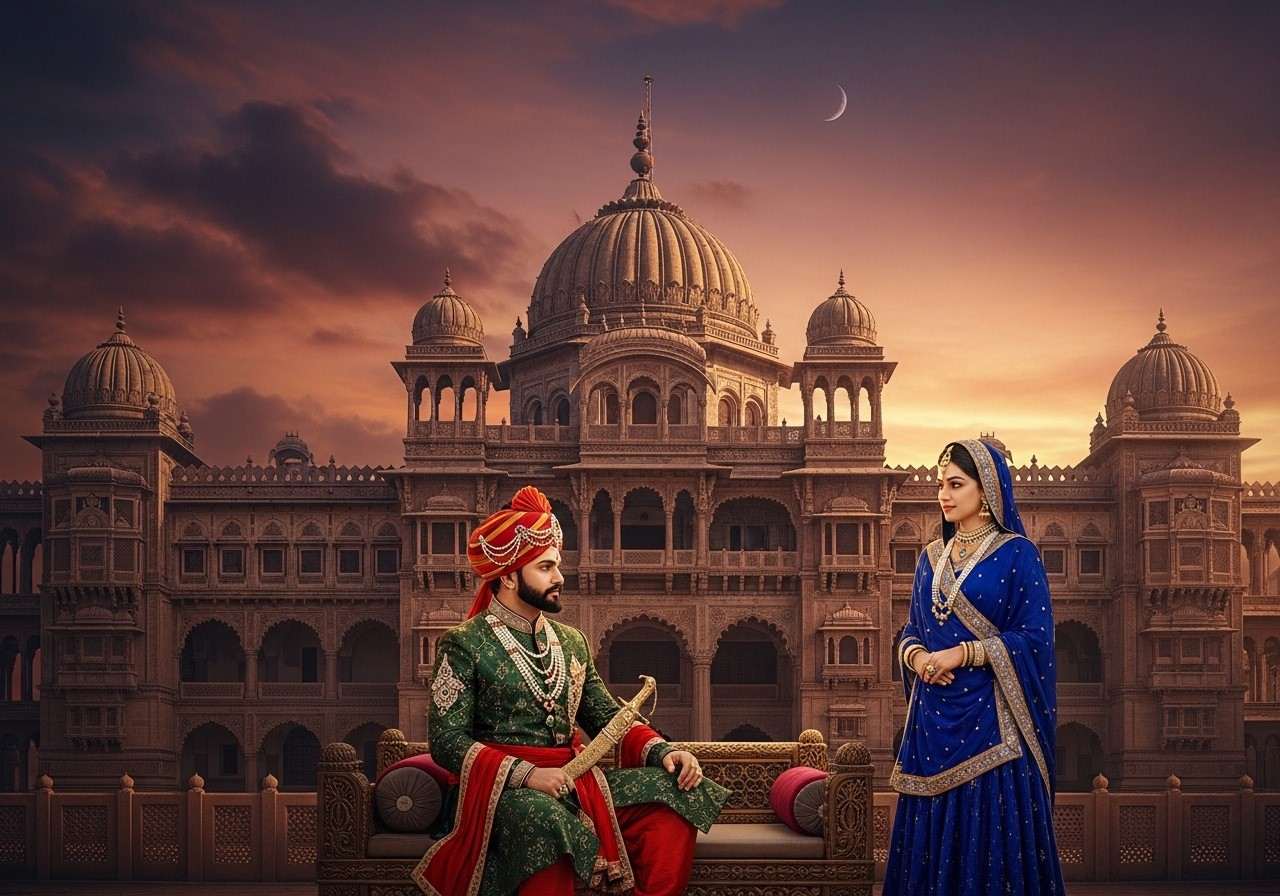
Namaste, and welcome to a journey through time. Immerse yourself in the echoes of royalty as you explore the rich history of Ichalkaranji Rajwada. Located in the heart of Maharashtra, Ichalkaranji is a city with deep roots in tradition, culture, and industry. For us Indians, a Rajwada is not just a building of stone and mortar; it is a living memory of our ancestors, a symbol of Swabhiman (self-respect), and a testament to the visionaries who built our society.
Discover the stories of the royal family who have shaped its past and continue to influence its present. Experience how the legacy of the Rajwada resonates with everyone who cherishes tradition and authenticity. While we at Poojn.in do not organize tours, we believe understanding our history is the first step in preserving our Sanatan Sanskriti.
The Historical Roots: From Humble Beginnings to Royal Power
The story of Ichalkaranji is a classic tale of valor and destiny. The origins of the city’s royal lineage can be traced back to the mid-17th century, a time when the Maratha Empire was rising to glory. It began with a young, talented boy named Naro Mahadeo from the Konkan region. His destiny changed when he displayed remarkable horsemanship that caught the eye of the Maratha General, Santaji Ghorpade.
Impressed by the boy’s skill and spirit, the General promoted him through the ranks, eventually rewarding him with tax-collecting fiefs. In a gesture of deep gratitude and loyalty, Naro Mahadeo adopted the surname Ghorpade. By 1708 AD, he had established Ichalkaranji as his seat of power, laying the foundation for a dynasty that would rule for over two centuries.
Similar to the enduring legacy of other royal estates, such as the Chilkilgarh Rajbari, the Ichalkaranji Rajwada stands as a witness to the changing tides of time. The architectural style of the Rajwada is a beautiful blend of Maratha and British colonial influences, showcasing the city’s journey through different eras.
The Ghorpade Dynasty: Architects of Ichalkaranji
The Ghorpade dynasty governed Ichalkaranji from 1708 until 1949. Their rule was not just about maintaining power but about strategic growth and cultural preservation. A significant turning point occurred when Venkatrao, the son of Naro Mahadeo, married Anubai. She was the daughter of Balaji Vishwanath Bhat, the Peshwa (Prime Minister) to Chhatrapati Shahu Maharaj. This strategic alliance elevated the status of the Ichalkaranji rulers within the Maratha Empire, cementing their place in history.
For those who love reading about the Kalachuris of Kalyani dynasty and other historical lineages, the administrative prowess of the Ghorpade family offers a fascinating parallel in how regional powers shaped India’s destiny.
Narayanrao Babasaheb: The Visionary Ruler
One cannot speak of Ichalkaranji without honoring Narayanrao Babasaheb, the eighth ruler who ascended the throne in 1892. He was a modern thinker rooted in tradition. His broad education and extensive travels brought a wave of innovation to his rule.
- Industrial Revolution and Textiles: Narayanrao Babasaheb is credited with transforming Ichalkaranji into an industrial powerhouse. Under his patronage, the first power loom was installed in 1904 by Vitthalrao Datar. This crucial step earned the city its reputation as the “Manchester of Maharashtra.”
- Cultural and Cooperative Growth: Inspired by Western models but grounded in local needs, he implemented cooperative movements to enhance the prosperity of his people. He was a staunch supporter of classical music, arts, and education, ensuring that cultural development kept pace with industrial growth.
A Legacy Preserved: From Palace to Knowledge Hub
The transition of Ichalkaranji from a princely state to a part of independent India is a story of graceful acceptance. Ichalkaranji joined the new State of India in 1947, marking the end of the Ghorpade family’s direct rule. By March 1949, the estate merged into the Kolhapur State and subsequently became part of the Bombay Presidency.
Today, the Rajwada still stands in excellent condition, but its purpose has evolved. The royal family transformed their ancestral home into a center for higher education. Currently, the magnificent structure houses an Engineering and Textile college, nurturing the minds of the next generation. It is a beautiful example of how history and modernity can walk hand in hand.
Bring the Essence of Tradition to Your Home
While you admire the royal history of Ichalkaranji, you can bring a touch of that same cultural dignity to your own home. At Poojn.in, we understand that true royalty lies in the way we honor our traditions.
Discover Authentic Ritual Items for Your Royal Experience
Whether you are setting up a home temple or looking for traditional decor that speaks of Indian heritage, our store offers a wide range of products catering to your cultural needs:
- Traditional Puja Samagri: Our collection includes high-quality puja items, essential for conducting any traditional rituals with purity and devotion.
- Cultural Books and Literature: Deepen your knowledge with our curated selection of books that delve into various traditions, perfect for the history enthusiast in you.
Shop Online with Ease: Enjoy the convenience of having authentic cultural goods delivered to your doorstep. For any inquiries, feel free to contact us at 03369029784 or WhatsApp us at 9476142738.
Common Curiosities: Understanding the Rajwada’s Legacy
What defines the significance of Ichalkaranji Rajwada in our history?
The Rajwada is significant not just as a structure, but as a symbol of the transition from the Maratha Empire’s dominance to the industrial age. It showcases the architectural brilliance of the era and stands as a testament to the Ghorpade family’s contribution to making Ichalkaranji a textile hub.
Who were the primary architects of the city’s culture?
The rulers of the Ghorpade clan, specifically Narayanrao Babasaheb, were pivotal. They did not just rule; they patronized the arts, music, and education, creating a culture where industry and tradition thrived together.
Is the Rajwada open for tourists today?
While the Rajwada stands proud today, it primarily functions as an educational institution (Engineering and Textile college). Visitors can admire the exterior architecture and the enduring legacy, but it is a functional campus rather than a museum. It reminds us that the greatest heritage we can leave behind is education.
How did the city get its industrial nickname?
The introduction of the power loom in 1904 under royal patronage kickstarted the textile revolution here. This foresight is why Ichalkaranji is often referred to as the “Manchester of Maharashtra,” blending royal vision with hard work.
The Ichalkaranji Rajwada is more than just bricks and mortar; it is a living monument to India’s rich heritage. As you explore these stories, imagine the echoes of horse hooves, the whispers of strategic discussions, and the vibrant sounds of cultural celebrations. The Ghorpade dynasty’s legacy lives on, offering inspiration to future generations.
This regal house reminds us that tradition and progress can coexist harmoniously. As the Rajwada continues to serve as a beacon of learning, let us also strive to honor our past by keeping our traditions alive in our daily lives.