


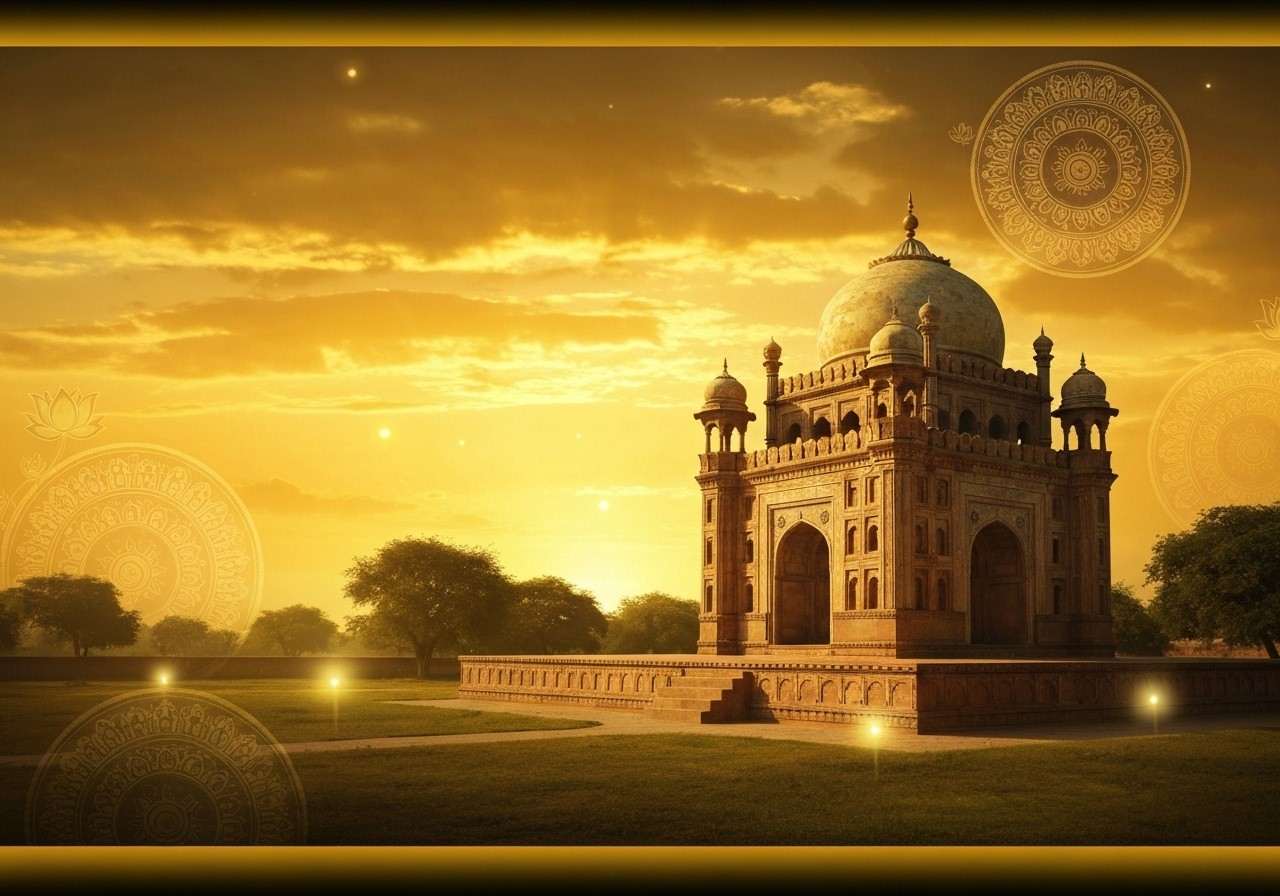
Welcome to Sasaram, a hidden gem nestled in the heart of Bihar that serves as a beautiful bridge between India’s glorious past and its vibrant spiritual present. For us Indians, travel is rarely just about sightseeing; it is about connecting with our roots, seeking blessings, and understanding the stories that shaped our motherland. Sasaram is one such destination where the air itself seems to whisper tales of emperors, sufis, and deities. Whether you are a history buff admiring ancient architecture or a devotee seeking the divine presence of the Goddess, this town offers a profound connection to Bihar’s rich artistic and cultural heritage.
The Historical Grandeur of Sasaram
Sasaram is not merely a town; it is a canvas painted with the legacy of the Suri dynasty. The most iconic symbol of this legacy is the Tomb of Sher Shah Suri. Standing tall at 122 feet, this red sandstone mausoleum is often described as the second Taj Mahal of India. Built in the mid-16th century, it sits majestically in the middle of a large man-made lake, appearing as if it is floating on water. The architecture is a breathtaking fusion of Indo-Islamic styles, featuring Afghan structural strength blended with Indian geometric precision. The blue and yellow glazed tiles, though weathered by time, still hint at the Iranian influences that once adorned this masterpiece.
Just a short distance away lies another marvel, the Tomb of Hasan Khan Suri, Sher Shah’s father. Interestingly, this structure bears a striking resemblance to the ancient Buddhist Stupas of the Mauryan period, showcasing how fluid and inclusive our architectural history has been. For those who wish to dive deeper into how these eras connect, a study of Bihar’s rich history reveals the strategic importance Sasaram held during the Mughal and Suri conflicts.
The Sentinel on the Hill: Rohtasgarh Fort
If walls could speak, the ramparts of Rohtasgarh Fort would tell epic tales of bravery and strategy. Located about 39 km from the main town, this is one of the largest and strongest hill forts in India. While its origins are often debated—some attribute it to the legendary Raja Harish Chandra—it was significantly fortified by Sher Shah Suri. Perched on a hilltop, the fort offers panoramic views of the Kaimur hills and the Son River. The complex is a treasure trove containing ancient temples, mosques, and majestic gates (Pol), making it a significant spot for understanding the impact of heritage tourism sites on our cultural identity.
Enhance Your Spiritual Journey with Poojn
Sasaram is a land where devotion meets history. As you plan your visits to these sacred sites, ensure your prayers are offered with the purest ingredients. At poojn.in, we understand the sanctity of your rituals.
For Your Temple Offerings:
When visiting the revered Maa Tara Chandi Temple, having the right puja samagri is essential for a complete experience. We recommend our Sarbosadhi (a sacred mixture of herbs) and premium incense sticks to create a divine atmosphere during your personal worship. These items help you perform your rituals with authentic devotion, ensuring the sanctity of the offering remains intact.
Connect with Tradition:
While exploring the spiritual caves of Gupta Dham, carry our compact and traditional puja kits. These kits are thoughtfully curated to contain all necessary items for conducting rituals, allowing you to honor Lord Shiva and Parvati properly, even in remote locations.
Please note: Poojn strictly sells cultural goods through our online store. We do not organize travel packages, temple entries, or VIP darshan services.
To order your authentic ritual essentials, visit our website or contact us directly.
Call: 03369029784 | WhatsApp: 9476142738
A Spiritual Haven: Temples and Sacred Sites
Beyond the stone monuments, Sasaram beats with a spiritual heart. One of the most significant sites for Hindu devotees is the Maa Tara Chandi Temple. It is one of the Shakti Peeths, dedicated to Goddess Durga. Situated on a hill near the town, the temple is not just a place of worship but a center of immense faith. It is believed that the ‘eye’ (Netra) of Sati fell here. During the holy festival of Navratri, the temple premises come alive with a grand fair, echoing with the chants of “Jai Mata Di” and the aroma of camphor and flowers. Devotees flock here to seek blessings for health and prosperity, making it a must-visit for anyone seeking spiritual solace.
Another mystical location is Gupta Dham, a cave complex hidden within the Kaimur hills. Dedicated to Lord Shiva and Goddess Parvati, this site requires a bit of a trek, which adds to the pilgrimage experience. The natural stalagmites and the serene silence inside the cave create an atmosphere perfect for meditation and deep reflection.
Nature’s Embrace: Waterfalls and Landscapes
Sasaram is also blessed with natural beauty that offers a refreshing break from the bustle of daily life. The Manjhar Kund and Dhua Kund are spectacular waterfalls that come alive, especially during the monsoon season. Surrounded by lush greenery, these spots are where local families and tourists alike gather to enjoy the cool mist and the soothing sound of cascading water. It is a reminder of how nature and divinity often coexist in our incredible India.
Common Questions About Visiting Sasaram
Why is Sasaram considered a significant tourist destination?
Sasaram is unique because it offers a perfect blend of three elements: imperial history through the Sher Shah Suri Tomb, deep spirituality through the Maa Tara Chandi Temple, and breathtaking nature at Manjhar Kund. It allows you to experience the diverse soul of Bihar in one single trip.
What is the best time to plan a trip to Sasaram?
To enjoy the monuments and treks comfortably, the winter months from October to March are ideal. The weather is pleasant, allowing for long walks around the Rohtasgarh Fort. However, if you wish to see the waterfalls in their full glory, the monsoon season offers a lush, green landscape, though travel might be slightly more difficult.
How can one reach these historical sites?
Sasaram is well-connected by the Indian Railway network and lies on the Grand Trunk Road. The nearest airport is in Patna. Once in town, local transport is available, but for sites like Rohtasgarh Fort or Gupta Dham, hiring a private vehicle is often more convenient due to the distance and terrain.
Are there specific local foods one must try?
Absolutely! A trip to Bihar is incomplete without savoring the local cuisine. In Sasaram, you must try the traditional Litti Chokha, a rustic and flavorful dish. Also, indulge in Sattu Paratha and local sweets like Khaja, which offer a true taste of the region’s culinary heritage.
Sasaram is waiting to tell you its stories. From the silent strength of its forts to the ringing bells of its temples, it is a journey that enriches the soul. Explore this heritage with respect and pride, and let the history of India come alive for you.