


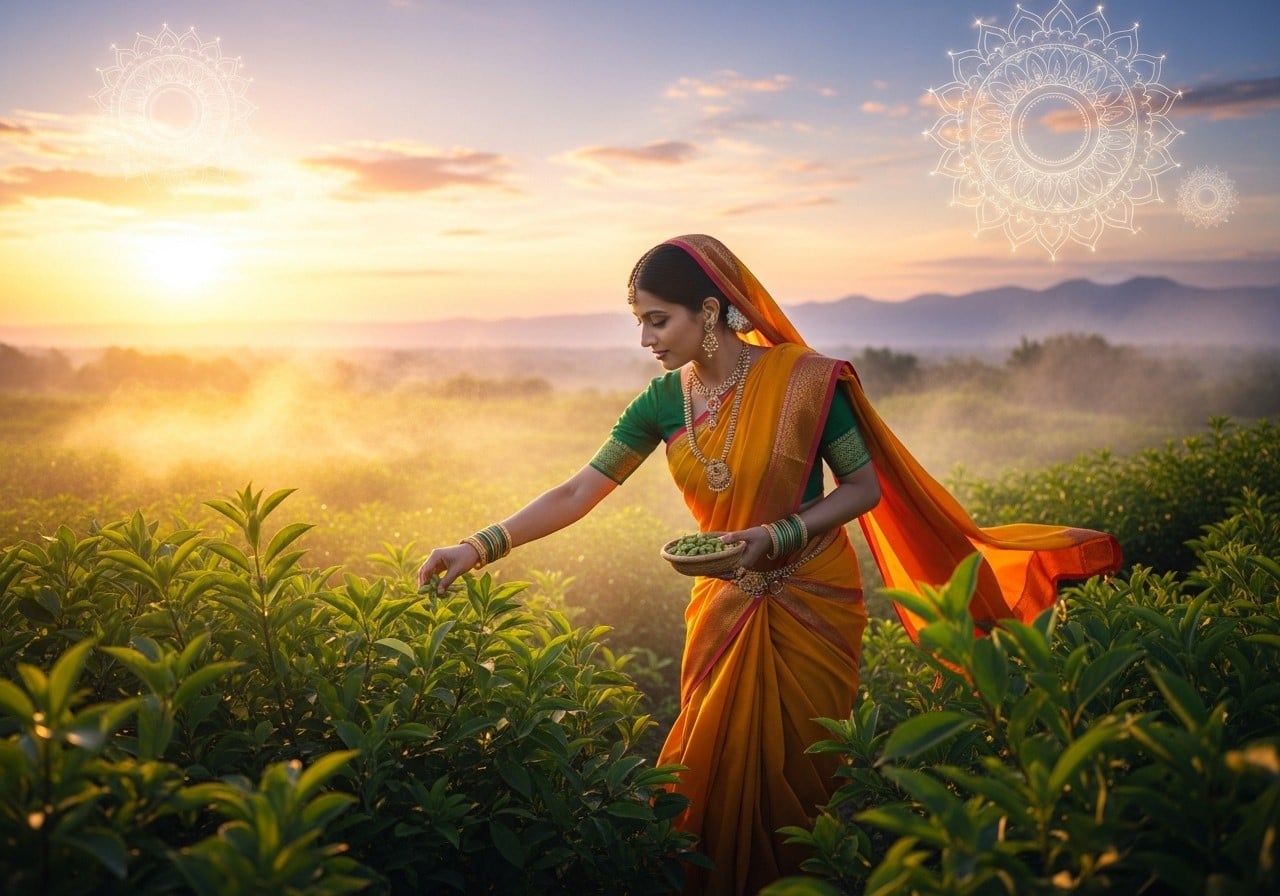
In almost every Indian home, the day begins with a familiar, comforting aroma—the scent of crushed Elaichi brewing in the morning chai. It is more than just a spice; it is an emotion. Whether it is the sweet fragrance rising from a bowl of Kheer during festivals or the robust, smoky depth in a Sunday mutton curry, cardamom is the heartbeat of our kitchen. Known as the “Queen of Spices,” it carries a legacy that stretches back to our ancient Ayurvedic roots and continues to grace our modern dining tables.
However, there is often a bit of confusion surrounding this beloved ingredient—from how to spell it to knowing which variety belongs in your Biryani versus your Mithai. Let us take a journey through the spice trails of India, exploring the magic of Elaichi, its cultural importance, and how to find the very best for your home.
Cardamom or Cardamon: Clearing the Confusion
You might have seen it written as “Cardamon” in some old books or heard it pronounced that way in different regions. While language is fluid, for those who take their culinary documentation seriously, Cardamom is the correct English spelling recognized globally. The word traces its lineage back to Latin and Greek origins.
But let’s be honest, in our hearts, it will always be Elaichi. Whether you call it Cardamom or Cardamon, what truly matters is the quality and the aroma that unlocks memories of home. Understanding the correct terminology, however, is helpful when you are exploring international recipes or diving deep into the essential spices of Indian cuisine.
Understanding the Types: Not All Elaichi is the Same
In India, we know that one size does not fit all. Just as we have different rituals for different deities, we have different types of cardamom for different dishes. It is crucial to know the difference to avoid putting a smoky pod in your sweet tea!
1. Green Cardamom (Chhoti Elaichi)
- The “True” Cardamom: Scientifically known as Elettaria cardamomum, this is the variety most of us adore. It hails largely from the lush plantations of the south. If you are curious about its origins, you must explore the flavors of Kerala, where this spice reigns supreme.
- Flavor Profile: It possesses a complex character—sweet, citrusy, and floral with a hint of eucalyptus. It acts as a “cool” spice, bringing a refreshing zest to dishes.
- Best Uses: This is your go-to for chai, desserts like Gulab Jamun, and even savory gravies like Shahi Paneer. It is often paired with Cloves (Laung) to create a balanced aromatic base.
2. Black Cardamom (Badi/Moti Elaichi)
- The Bold Cousin: Known as Amomum subulatum, these pods are larger, darker, and have a rugged appearance. Unlike its green cousin, the Badi Elaichi is dried over an open fire, which gives it its signature personality.
- Flavor Profile: It is intense, smoky, and earthy, with notes of camphor and toasted sesame. It is considered a “warm” spice, perfect for winter months and heavy meals.
- Best Uses: You would rarely put this in a dessert. Instead, it is the soul of a good Garam Masala, hearty stews, and rich rice dishes like Pulao and Biryani.
3. Other Varieties
- White Cardamom: This is essentially green cardamom that has been bleached. The flavor is much milder and less “punchy.” It is mostly used in light-colored batters or European bakes where you want the flavor without the black specks.
- Red Cardamom: Often called Chinese Black Cardamom, this variety has a woodsy aroma reminiscent of freshly split timber. It is distinct and used mainly in specific Asian savory dishes.
Bringing Authenticity to Your Kitchen with Poojn.in
Finding genuine spice that hasn’t lost its oil or aroma can be a challenge in crowded markets. Poojn.in stands out as the premier destination for cultural goods in India, ensuring that the ingredients you use for your Bhog and your family meals are pure.
We specifically recommend our Large Size Elaichi (Black Cardamom). This pack of 10gm offers bold, authentic pods that are essential for that restaurant-style flavor in your home-cooked curries. It is perfect for your culinary adventures and ritual needs alike.
At Poojn.in, we also cater to your spiritual journey. Explore our extensive range of Dashakarma items, ensuring you have every ritual product delivered right to your doorstep. For any assistance, you can always reach us at 03369029784 or WhatsApp us at 9476142738.
Cultural Significance: More Than Just Flavor
In our culture, spices are not just about taste; they are about auspiciousness. Cardamom is frequently offered to deities during Puja and is a key ingredient in Prasad (consecrated food). Its fragrance is believed to purify the atmosphere.
During festivals like Diwali and Eid, serving a guest a dish laced with saffron and cardamom is the ultimate sign of hospitality and warmth. It symbolizes that you are offering the best you have. In Ayurveda, it is treasured not just for flavor but for its digestive and therapeutic benefits, often chewed after meals as a natural mouth freshener.
Common Questions About Cardamom
Is there a difference between using whole pods and powder?
Yes, absolutely. Whole pods retain their volatile oils for much longer. We always suggest keeping whole pods and crushing them just before use. Ground powder loses its potency very quickly. If you need powder, grind a small batch fresh at home.
Can I substitute Green Cardamom for Black Cardamom?
Many people ask this, but the answer is generally no. Because their flavor profiles are so distinct—one being sweet and floral, the other smoky and camphor-like—swapping them will drastically change the outcome of your dish. It is best to stick to what the recipe calls for to maintain the authentic taste.
How should I store my cardamom to keep it fresh?
Moisture and light are the enemies of spice. Store your cardamom in an airtight container (glass or steel is best) and keep it in a cool, dark cupboard. This will preserve that beautiful aroma for months. If the pods look pale or have no scent when crushed, it is time to replace them.
Why is cardamom sometimes so expensive?
It is often called the “Queen of Spices” and is the third most expensive spice in the world after saffron and vanilla. This is because harvesting is labor-intensive; the pods must be hand-picked at exactly the right maturity to ensure the perfect flavor.
Embrace the Tradition
Whether you are preparing a feast for a wedding or simply making a cup of tea for a tired soul, adding a pinch of Cardamom adds a touch of love and tradition. It connects us to our ancestors who understood the healing power of food.
Explore our collection today at poojn.in and bring home the true essence of India. Let the aroma fill your home with positivity and warmth.