

In the heart of Rajasthan’s Shekhawati region, the city of Sikar stands as a living museum, its havelis and forts whispering tales of a glorious past. But if you listen closely, you’ll hear another story woven into its fabric—a story from the 19th century, when the winds of change brought the British to its doorstep. Understanding this chapter of Sikar’s history helps us appreciate the beautiful, complex identity it holds today.
The Beginning of a New Era: Sikar and the British
The story begins when the East India Company’s influence started spreading across Rajasthan. Like many proud princely states, Sikar entered into treaties with the British. While the local rulers kept their titles and dignity, the real power began to shift. This wasn’t a sudden takeover, but a gradual change that would reshape the city’s future in profound ways.
A Fascinating Blend in Bricks and Stone: The Architectural Legacy
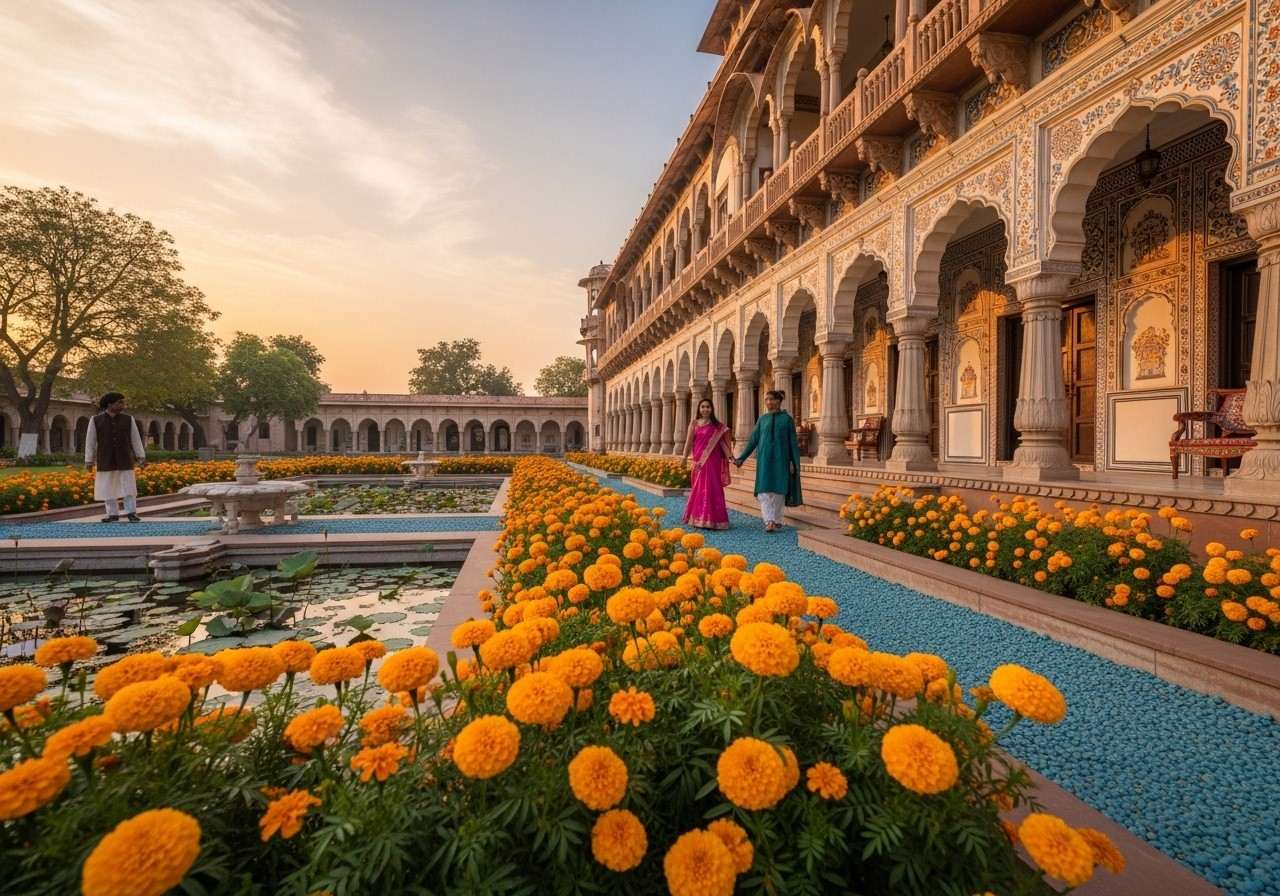
One of the most visible impacts of the colonial era is on Sikar’s architecture. The British brought with them their own styles, but instead of replacing the local designs, a beautiful fusion occurred. This is known as the Indo-Saracenic style, a perfect jugalbandi of traditional Rajasthani elements with British Gothic touches. You can see this unique blend in older administrative buildings and even parts of the magnificent Sikar Fort, giving the city a distinct architectural charm.
How the Railway Changed Everything
Imagine a time before fast travel. The introduction of the railway line connecting Jaipur to Sikar was nothing short of a revolution. Suddenly, Sikar was no longer just a local market; it transformed into a major trade hub, buzzing with new energy and opportunity. This vital connection brought not just goods, but also new ideas, people, and prosperity, paving the way for modern infrastructure like new roads and electricity.
- Economic Shifts: With the railway came new trade routes and agricultural practices. This brought prosperity, but it also introduced new challenges for the local people, such as navigating the British taxation policies. It was a time of both great opportunity and significant adjustment.
- Social and Educational Changes: The British also introduced Western education, opening up new ways of thinking for the people of Sikar. Yet, the city held firmly to its roots. The vibrant festivals, sacred rituals, and deep-seated traditions continued to thrive, creating a society that was both modern in its outlook and traditional at heart.
Even as Sikar adapted to new ways, the soul of its culture—its rituals and poojas—remained unshaken. For those of us who wish to honour these timeless traditions today, having the right, authentic samagri is essential. At poojn.in, we understand this deep connection. We bring you high-quality, authentic pooja items, delivered right to your doorstep with the convenience you deserve.
Explore our carefully curated collection of pooja samagri and other traditional items at poojn.in, and keep your traditions alive. For any assistance, you can call us at 03369029784 or send a message on WhatsApp at 9476142738.
Understanding Sikar’s British Connection: Your Questions Answered
Many people are curious about how this historical period still echoes in Sikar today. You might wonder how Sikar’s buildings got their unique look. The answer lies in the colonial architectural styles introduced by the British, which beautifully merged with local Rajasthani designs, creating the distinct fusion we see today in certain administrative buildings and monuments.
The cultural influence is also a point of interest. The introduction of the English language and Western education systems are significant aspects of the British cultural legacy in Sikar. These elements didn’t erase local culture but added another layer to it. This period was truly transformative for Sikar’s historical journey, as it brought modern governance, new infrastructure, and different economic practices, including new trade routes and cash crops, which altered the traditional economy and set the city on its modern course.
A Heritage That Lives On
Sikar’s story is one of incredible resilience and graceful adaptation. The city embraced change without losing its soul. The legacy of the British era is not just in buildings or railway lines; it’s in the spirit of a community that knows how to blend the old with the new. Exploring this journey offers a deeper appreciation for Sikar’s vibrant past and its enduring heritage. It’s a testament to how history and culture can flow together, creating a beautiful and timeless tapestry.