
Southern India is more than just its beautiful backwaters and bustling cities. Its real soul often lives in the whispers of the forests and the stories of its oldest inhabitants. In Kerala and Karnataka, nestled within the lush Western Ghats, are diverse Adivasi communities. These indigenous groups are the keepers of ancient traditions, each with a unique way of life that beautifully blends their heritage with the demands of today’s world. Let’s take a heartfelt journey to understand their world, a world that thrives on a deep connection with nature.
The Adivasi Communities of Kerala: Guardians of the Ghats
Kerala, lovingly called “God’s Own Country,” is home to a vibrant tribal heritage. The state officially recognises 36 distinct Scheduled Tribes, each contributing to its rich cultural mosaic. Many of these communities have lived for centuries in the forests and mountains, creating a life in perfect harmony with nature.
You may wonder, where do most of these tribal communities live in Kerala? The highest concentration is found in the breathtaking hills of Wayanad, followed by Idukki and Palakkad. This region is the heartland of communities like:
- The Paniyas: Known for their deep connection to the land and agriculture, the Paniyas possess a wealth of folklore and oral traditions that tell tales of their ancestors and the forest spirits. Their lives are a testament to sustainable living.
- The Kattunaikkans: Often called the ‘kings of the jungle’, their name itself speaks of their bond with the forest. They are masters of collecting wild honey and forest produce, a skill passed down through generations, and their spiritual beliefs are deeply intertwined with the natural world around them.
- The Kurichiyas: This community has a celebrated martial history, famously remembered for their bravery and skill in the Pazhassi Revolt. Their legacy is a powerful reminder of their contribution to Kerala’s history and their unyielding spirit.
The Soul of Kerala’s Tribal Culture
The cultural practices of Kerala’s tribes are a fascinating world of their own. Their social structures are intricate, and their connection to ancestral spirits remains strong. This is beautifully expressed through powerful art forms like Theyyam, a vibrant ritual dance performed by communities like the Malayan tribe, which brings ancient stories and deities to life.
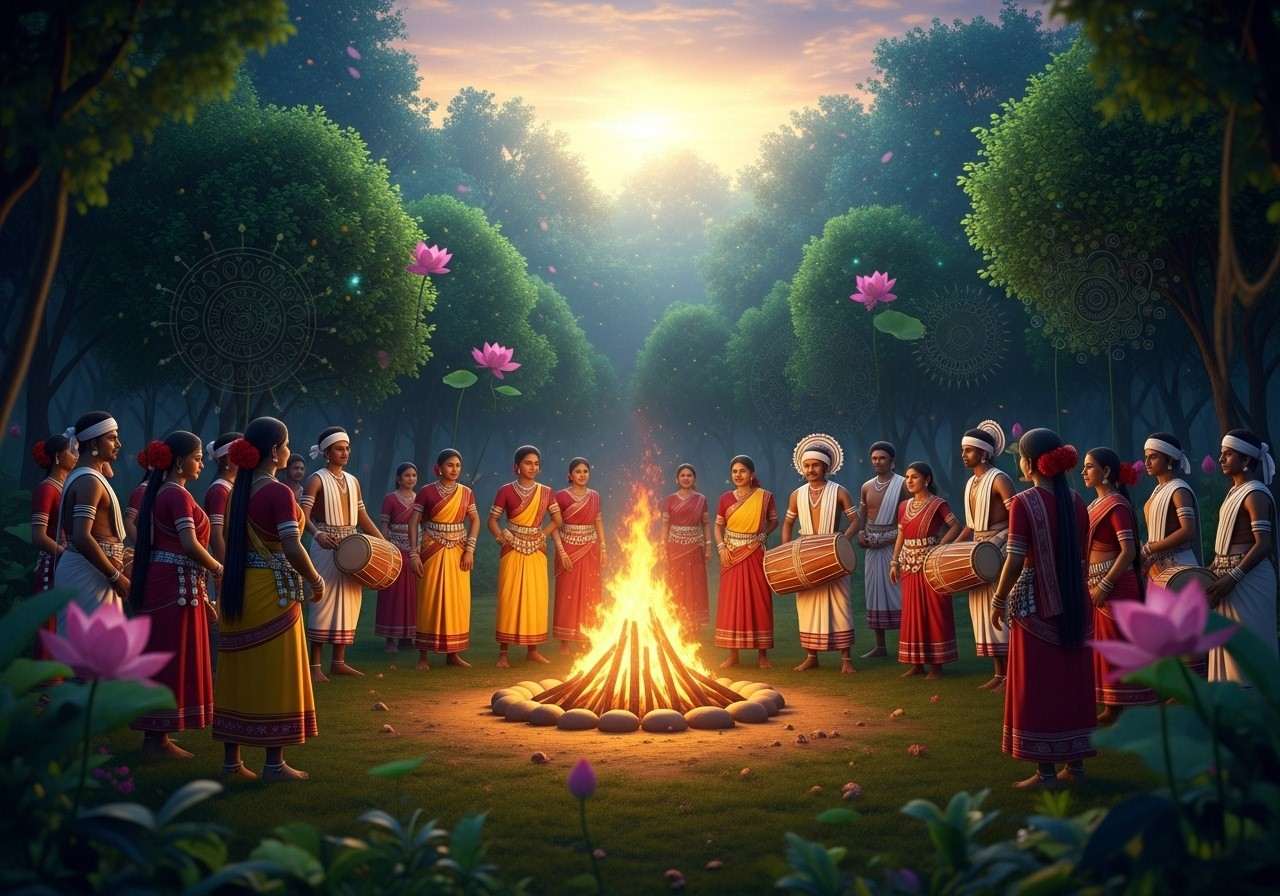
Festivals are the heartbeat of their community life. While they celebrate major festivals like Onam and Vishu with their own unique customs, events like the Attappady Fest are specifically designed to preserve and showcase their unique heritage. Furthermore, the knowledge of traditional medicine and healing practices held by groups like the Mannans and Ulladans is a precious legacy, reminding us of the profound wisdom of nature.
The Native Tribes of Karnataka: A Tapestry of Traditions
Karnataka’s tribal population is significant, making up nearly 7% of the state’s people. With around 50 different tribes, the state is a vibrant collage of cultures, languages, and traditions, primarily residing in rural areas like Bellary, Raichur, and Mysore.
- The Soligas: Living in and around the Biligiri Rangaswamy Temple Wildlife Sanctuary, the Soligas are a shining example of sustainable existence. Their traditional crafts, especially intricate basket weaving, are not just a source of livelihood but a beautiful expression of their artistic heritage and deep knowledge of forest resources.
- The Yeravas: For the Yerava community, identity is expressed through rhythm and melody. Their vibrant folk dances and soulful music are an integral part of every celebration and ritual, carrying the stories and emotions of their people through generations.
- The Kodavas: Known as a martial race from the Kodagu district, the Kodava people have a distinct culture. Their traditions are vividly displayed during the Huttari Festival, a harvest celebration filled with energetic martial dances, folk songs, and community feasts.
The Unique Flavours of Karnataka’s Tribal Life
While the essence of living close to nature is a common thread, the tribal traditions in Karnataka have their own distinct flavours compared to those in Kerala. Karnataka’s communities often express their culture through dynamic art forms like the ‘Yakshagana’ dance drama and ‘Bhoota Kola’ spirit worship, especially among the Tuluvas. Their incredible skill in crafts is a vital part of their economy and cultural preservation.
Oral traditions play a crucial role here, acting as living libraries that safeguard the history, myths, and wisdom of these communities for future generations.
At poojn.in, we deeply respect these rich traditions. For those who wish to connect with the spiritual heritage of Southern India, we offer authentic items that honour these ancient practices. Explore our range of handcrafted items and natural pooja essentials, sourced with care to maintain their purity and significance.
Facing the Future: Challenges and Preservation
It’s important to understand that life for these communities is not without its struggles. Modern development, displacement from their ancestral lands, and socio-economic challenges pose significant threats to their traditional lifestyles. This is why learning about the tribal communities of Southern India is so important—it fosters respect and understanding, and highlights the need to preserve their invaluable cultures.
Thankfully, there is hope. Government bodies like the Tribal Cooperative Marketing Development Federation of India (TRIFED) and numerous NGOs are working tirelessly. These initiatives focus on preserving cultural heritage while improving quality of life through better education and healthcare. The government provides special status as ‘Scheduled Tribes’, and additional support is given to Particularly Vulnerable Tribal Groups (PVTGs) like the Jenukuruba, ensuring they receive the aid they need to thrive.
How can one respectfully explore the tribal life of Southern India?
For those who wish to experience this vibrant culture firsthand, the best way is through respectful engagement. One can consider participating in responsible cultural tours organised in collaboration with the communities, visiting tribal museums, or attending public festivals in Kerala and Karnataka. This allows for a genuine experience while ensuring that the communities are respected and supported.
A Legacy to Cherish
The tribal communities of Kerala and Karnataka are not relics of the past; they are a living, breathing, and evolving part of India’s cultural landscape. Their resilience, wisdom, and deep-rooted connection to the earth are an inspiration to us all. By supporting them and cherishing their heritage, we ensure that their unique cultural tapestry continues to enrich our nation for generations to come. Let’s celebrate their spirit and help keep their vibrant traditions alive in our modern world.