
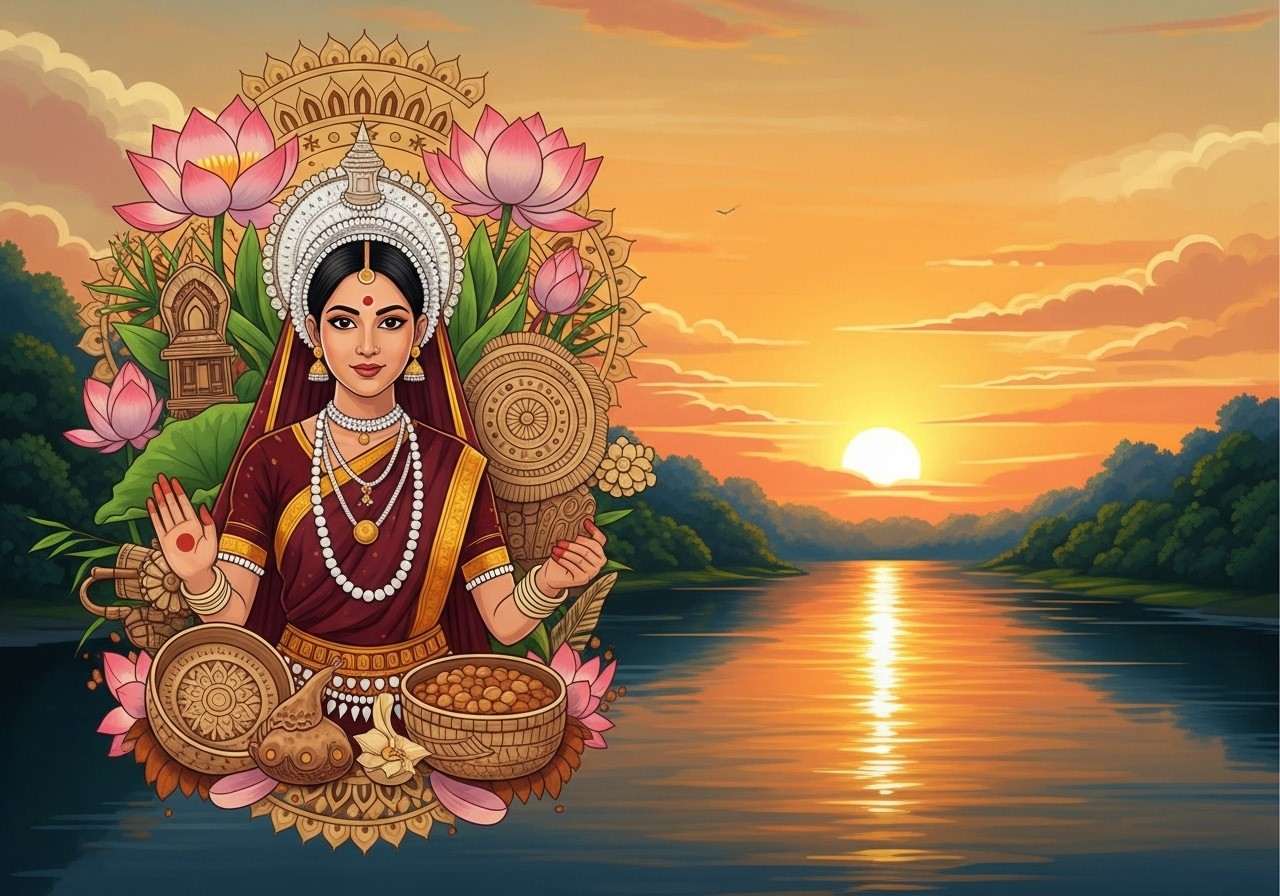
Imagine a land where the morning mist rolls over lush green hills, and the sound of temple bells blends harmoniously with the rhythmic beats of tribal drums. Welcome to Tripura, a hidden gem tucked away in the northeastern corner of India. As we look forward to 2026, this state continues to offer a mesmerizing blend of tribal heritage and non-tribal customs that is both unique and deeply spiritual.
For those of us who hold our traditions close to our hearts, Tripura is not just a destination; it is an experience. It is a place where 19 diverse tribal communities live in harmony with Bengali and Manipuri populations, creating a vibrant cultural tapestry. Whether you are seeking to understand the ancient Manikya dynasty or wishing to explore the authentic lifestyle of the Reang and Tripuri people, this guide is your companion to understanding the heartbeat of this beautiful state.
The Historical Tapestry of Tripura
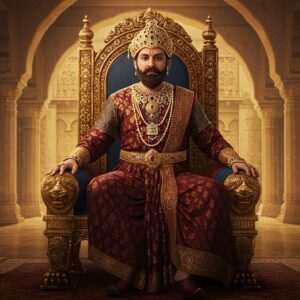
To truly appreciate the present, one must look into the past. Tripura’s history is as old as it is fascinating, tracing its roots back to ancient times under the rule of the Manikya dynasty. This era played a pivotal role in shaping the region’s cultural growth, fostering a unique synthesis where tribal and non-tribal communities began to merge their distinct identities into a cohesive whole.
Significant events, such as the state’s merger with the Indian Union in 1949, have further sculpted the modern cultural landscape of the region. If you visit, the archaeological marvels of Unakoti and Pilak stand as silent witnesses to this rich history, preserving stories carved in stone that are waiting to be heard.
Vibrant Tribal Traditions and Festivals
The soul of Tripura lies in its tribal roots. The state is home to communities like the Debbarma, Jamatia, Chakma, and Halam, each preserving their distinct customs with great pride. Their connection to nature is profound, often celebrated through colorful festivals and rituals.
-
Garia Puja and the Garia Dance
Celebrated with great devotion in April, Garia Puja marks the beginning of the sowing season. It is a time when the Tripuri and Jamatia tribes pray for a bountiful harvest. In 2026, the state will once again come alive with the rhythmic steps of the Garia dance, a performance that reflects the community’s joy and hope for the future. -
The Grace of Hojagiri
One cannot speak of Tripura without mentioning Hojagiri. Performed by the Reang clan during the Hojagiri festival to worship Goddess Mailuma, this dance is a breathtaking display of balance and skill, where performers move their lower bodies while balancing objects on their heads, symbolizing the delicate balance of life. -
Upcoming 2026 Cultural Highlights
For those planning a cultural pilgrimage, mark your calendars for the Chabimura Festival, which is set to be held on January 12, 2026. This event is a fantastic opportunity to witness heritage tourism and indigenous culture through various exhibitions and programs.
A Fusion of Customs: Non-Tribal Influences
Tripura is a shining example of cultural coexistence. The influence of the Bengali and Manipuri communities has enriched the state’s traditions, adding new layers of color and devotion. Festivals like Durga Puja are celebrated with the same fervor here as they are in Kolkata, turning the streets into a carnival of lights and devotion in September or October.
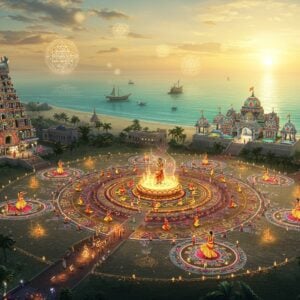
Similarly, Diwali is observed with immense enthusiasm, especially at the revered Tripura Sundari Temple, one of the 51 Shakti Peeths. This blend of Shaivism, Vaishnavism, and tribal animism creates a spiritual environment that is welcoming to everyone.
Authentic Lifestyle and Culinary Delights
The daily life of the people here is a beautiful balance of simplicity and tradition. The traditional dress speaks volumes about their identity. For Tripuri women, the Rignai (a wrap-around skirt) and Risa (an upper garment) are iconic, with woven patterns often signifying their specific tribe. Men traditionally wear the Rikutu Gamcha and Leepa, reflecting a lifestyle that values comfort and heritage.
And then, there is the food. Tripura’s cuisine is a treat for the adventurous palate, relying heavily on Berma (fermented and dried fish). It is an acquired taste that locals cherish. Dishes like Mui Borok and Gudok are prepared with minimal oil but are bursting with the flavors of local herbs and spices. For vegetarians, Kosoi Bwtwi offers a delightful taste of tofu and spices, proving that the region’s culinary offerings are diverse and inclusive.
Bringing Tradition Home with Poojn.in
As we discuss the beauty of these rituals and the importance of authentic worship, it is essential to have the right elements to connect with the divine. Poojn.in stands out as the premier destination for cultural goods in India. Whether you are preparing for a grand Diwali puja or a simple daily ritual, our store offers a wide range of products that cater to all your cultural needs. We understand the emotion behind every prayer.
Our collection is curated to ensure that you get genuine items that resonate with Indian traditions. Visit poojn.in today to explore our collection and bring a piece of authentic spirituality into your home. We are committed to helping you keep your traditions alive, no matter where you are.
If you have specific requirements or need guidance on selecting the right items for your rituals, we are here to help. For inquiries or to place an order, contact us at 03369029784 or WhatsApp at 9476142738. Enjoy the convenience of online shopping while preserving your cultural traditions with Poojn.in.
Cultural Exploration and Understanding
To truly understand Tripura, one must step out and explore. A visit to the majestic Ujjayanta Palace or the water palace of Neermahal offers a glimpse into the royal history of the land. engaging with local communities and artisans who craft beautiful bamboo and cane products fosters a deeper appreciation for their skills and heritage.
Responsible tourism is key. By supporting local crafts and respecting tribal customs, we ensure that this rich cultural tapestry endures for future generations. It is about building a connection that goes beyond sightseeing—it is about understanding the soul of the people.
Frequently Asked Questions About Tripura’s Culture
What are the most significant traditional festivals celebrated in Tripura?
The state celebrates a variety of festivals throughout the year. The most significant ones include Garia Puja in April, which is central to the tribal community for harvest blessings, and Kharchi Puja in July, where fourteen deities are worshipped. Additionally, the Biju Festival and the mainstream Durga Puja are celebrated with immense joy and community participation.
How does the local lifestyle reflect the state’s cultural heritage?
The lifestyle here is a mirror of its heritage. You will see it in the daily attire, where women proudly wear the hand-woven Rignai and Risa. It is also evident in their diet, which includes traditional dishes like Mui Borok and Bhangui (rice cooked in banana leaves). The housing styles, ranging from traditional bamboo huts to modern homes, also reflect an adaptation that respects the local geography and resources.
Why should I choose Poojn.in for my cultural and ritual needs?
Why should you choose poojn.in for your cultural needs? One reason is that poojn.in offers a unique collection of cultural goods that you won’t find anywhere else. We ensure that every product, from puja samagri to traditional decor, is authentic and culturally appropriate, helping you maintain a strong connection to your roots with the convenience of modern delivery.
Is the food in Tripura spicy or different from typical Indian cuisine?
Yes, the cuisine is quite distinct. It is generally non-oily and relies on organic herbs and the strong flavor of fermented fish (Berma). While it can be spicy due to the use of local chilies, the flavors are earthy and unique. However, there are also plenty of Bengali-influenced dishes that might feel more familiar to those from other parts of India.
What is the best time to visit to experience these cultural events?
To experience the tribal culture at its peak, visiting in April for the Garia and Biju festivals is ideal. However, if you want to witness the grandeur of the Chabimura Festival, you should plan your trip around January 12, 2026. The winter months are generally pleasant and perfect for exploring the lush landscapes and temples.