
In the rich tapestry of India’s cultural and spiritual history, few concepts are as enduring and significant as the Brahmin Gotra system. For centuries, this lineage system has served as the backbone of identity, social structure, and religious adherence within the Brahmin community. It is not merely a name or a label; it is a sacred thread that connects a person to their ancient roots, tracing ancestry back to the revered Saptarishis (seven sages) of the Vedic period. At Poojn.in, we understand that honoring these roots is essential for every ritual, from daily prayers to grand weddings.
This guide explores the depths of Brahmin lineages, the detailed listings of Gotras, and why they remain deeply relevant for modern Indians who wish to stay connected to their heritage while navigating the contemporary world.
Understanding Brahmin Lineages: The Connection to Rishis
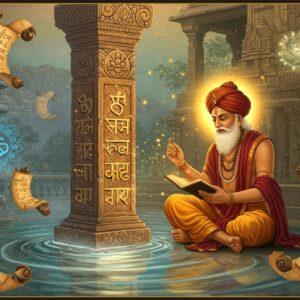
To understand the Brahmin lineage, one must look back to the very dawn of Sanatan Dharma. A Gotra is essentially a patrilineal clan system. This means your lineage is traced through the male line, directly linking you to one of the ancient sages who were the original custodians of Vedic knowledge. These lineages are preserved not just in written texts, but through the oral traditions of families passing down their history from father to son.
The concept goes beyond simple genealogy; it acts as a spiritual identifier. When a Brahmin performs a Sankalpa during a puja, stating their Gotra is the first step to identifying themselves to the divine. It is believed that the Brahmin community descends primarily from seven great saints: Vishvamitra, Jamadagni, Gautama, Atri, Vasishta, Kashyapa, and Bharadvaja, with Agastya often being the eighth addition. These sages are the root ancestors, and the Pravaras refer to the most distinguished sages in that specific line.
The Cultural and Scientific Significance of Gotra Listings
The Gotra system is a fascinating blend of spiritual belief and ancient scientific wisdom. While it helps us pay homage to our forefathers, it also serves practical social functions that have kept the community robust for millennia.
-
Ensuring Genetic Diversity (Exogamy):
The most critical function of the Gotra system is to facilitate exogamy. This rule strictly prohibits marriage between individuals of the same Gotra. By doing so, our ancestors ingeniously prevented consanguinity (inbreeding), ensuring that the gene pool remained diverse and healthy. It compels families to seek alliances outside their immediate clan, thereby broadening social connections. -
Ancestral Homage and Identity:
In a world that is rapidly changing, your Gotra is a permanent anchor. It identifies your paternal lineage and the specific sage from whom you are descended. This helps individuals pay proper respects during rituals like Shraddh or Tarpan, ensuring that the offerings reach the correct ancestral spirits. -
Social Structure and Property:
Historically, Gotras were integral to the Hindu social fabric. They influenced not just marriage alliances but also the division of property. In ancient times, a male Brahmin’s property division upon death often took into consideration the Gotra lineage to ensure the heritage remained within the clan.
Comprehensive List of Brahmin Gotras
The variety of Gotras reflects the vastness of the Brahmin community across India. While the primary lineage traces back to the Saptarishi, many sub-clans and associated lineages have evolved over time. Below is a list of prominent Brahmin Gotras that are widely recognized in rituals and matrimonial matchmaking:
The primary lineages descend from the great sages: Atri, Agastya, Angirasa, Bharadvaja, Bhrigu (Jamadagni), Gautama, Kashyapa, Vasishta, and Vishvamitra.
In addition to these, there are numerous other significant Gotras found across different regions of India:
Alamban, Bali, Bakshi, Bhargava, Chandrayana, Chyavana, Dalabhya, Dhananjaya, Garga, Harita, Kapil, Kaundinya, Katyayana, Kaushik, Kutsa, Maitreya, Maudgalya (Mudgal), Parashar, Shandilya, Srivatsa, Upadhyay, Valmiki, Vatsa, and Vishnuvridha.
Historical and Spiritual Context
The historical significance of these lineages is documented in sacred texts like the Vedas and Upanishads. These scriptures highlight that Gotras were established to preserve the purity of Vedic knowledge. The priests belonging to specific Gotras were entrusted with maintaining specific parts of the Vedas, ensuring that the wisdom was never lost.
Spiritually, the Gotra acts as a conduit for divine blessings. When you chant your Gotra during a temple visit or a home puja, you are essentially saying, “I am the descendant of this great Sage, and I stand here to offer my prayers.” It creates a bridge between the mortal devotee and the divine lineage of the Rishis. Understanding this connection aids in personal spiritual growth, making meditation and mantra chanting more potent and meaningful.
How Poojn.in Supports Your Traditions
At Poojn.in, we know that accurate knowledge of your lineage is vital for the correct performance of rituals. Whether you are organizing a wedding, a thread ceremony (Upanayana), or a simple housewarming, knowing your Gotra is the first step. However, having the right materials to honor that lineage is equally important.
Poojn.in stands out as the premier destination for cultural goods in India. We provide authentic, high-quality puja samagri that respects the sanctity of your traditions. Our store offers a wide range of products that cater to all your cultural needs, ensuring that when you sit for a ritual to honor your ancestors, you have the purest ingredients in hand. From specific vessels required for water oblations to complete Puja Kits tailored for different ceremonies, we bridge the gap between ancient requirements and modern convenience.
If you have specific requirements for a ritual based on your Gotra or need assistance selecting the right products, Poojn is here to assist. You can reach out to us directly for guidance. For personalized assistance, contact us at 03369029784 or chat with us on WhatsApp at 9476142738.
Common Queries About Brahmin Gotras
Many people today have questions about how this ancient system applies to modern life. Here, we address some of the most common curiosities regarding Brahmin lineages.
Defining the Brahmin Gotra
A common point of confusion is what exactly constitutes a Gotra. Simply put, it is a lineage assigned to a Hindu Brahmin, tracing back to the seven ancient sages (Saptarishis). It represents your spiritual and genetic address in the traditional Hindu society.
The Role in Marriage (Exogamy)
People often ask why they cannot marry within their Gotra. In Brahmin culture, individuals sharing the same Gotra are considered spiritual siblings because they share a common ancestor. Marrying within the Gotra (Sagotra marriage) is prohibited to prevent genetic closeness and to encourage the widening of social alliances.
How to Find Your Gotra
If you are unsure of your lineage, the best source is usually the elders in your family or the family priest (Kul-purohit). Many families also maintain written records or genealogy charts at holy sites like Haridwar or Varanasi. Religious texts and temple records are also valuable resources for finding Brahmin Gotra listings.
Conclusion: Carrying the Torch of Heritage
The significance of the Brahmin Gotra is much more than a historical footnote; it is a living, breathing aspect of our identity. It reminds us that we are part of a continuum that stretches back thousands of years to the wisest sages of humanity. By understanding our lineage, we not only honor our ancestors but also ensure that their wisdom, values, and blessings are passed down to future generations.
As you celebrate your traditions and perform your sacred duties, remember that Poojn.in is your trusted partner. We are dedicated to keeping these traditions vibrant by providing you with authentic cultural goods delivered right to your doorstep. Embrace your heritage with pride, and let us help you celebrate it with purity and devotion.