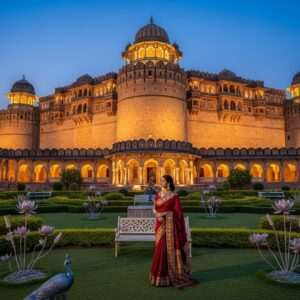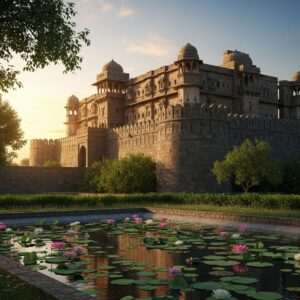


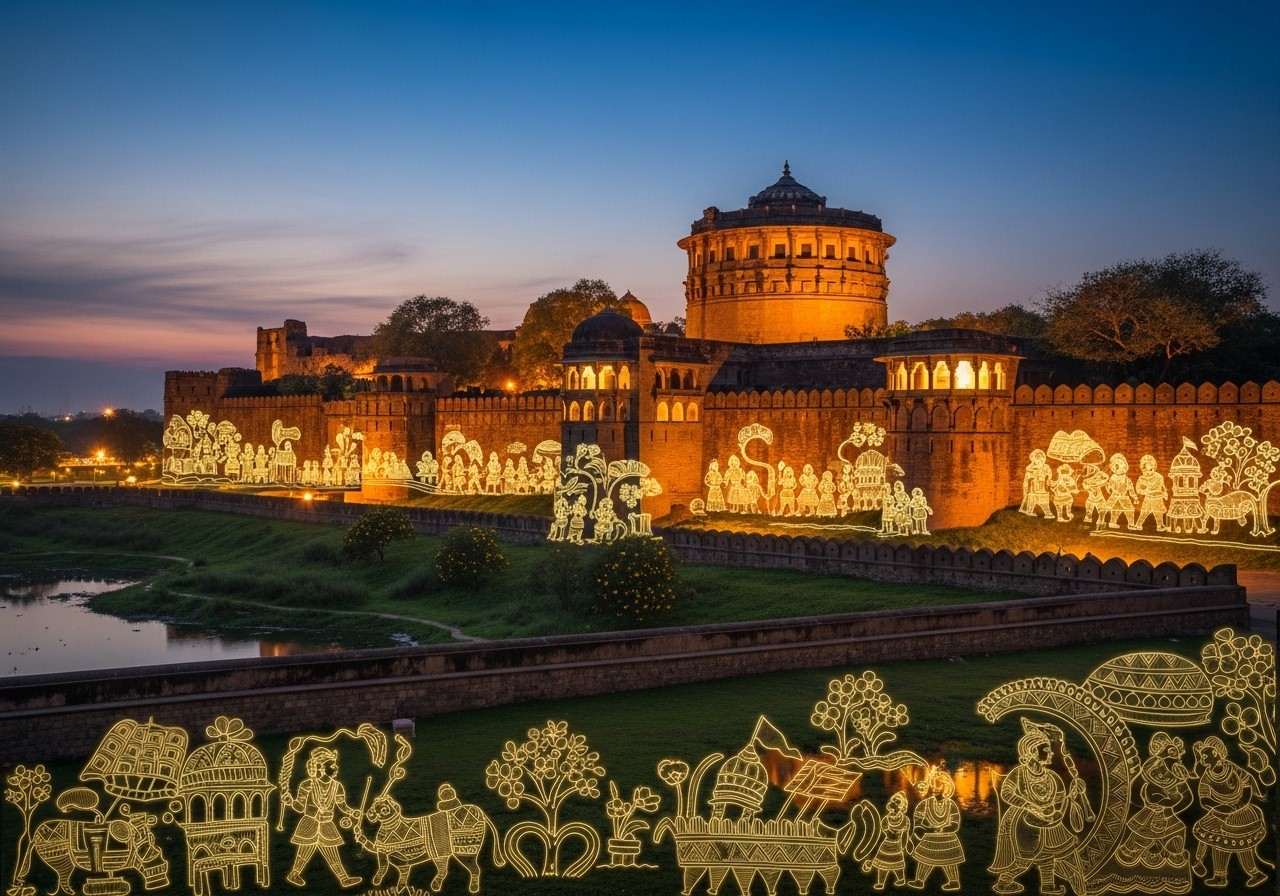
There is something profoundly deeply moving about walking on the same soil where history was made, where brave hearts fought, and where the destiny of our nation was shaped. The grand stronghold located near the Sina River is not just an architectural marvel; it is a proud symbol of India’s rich cultural heritage and a towering testament to our resilience against colonial rule. For families who cherish our motherland’s past, exploring this majestic monument is like turning the golden pages of a history book, offering a unique glimpse into the events that shaped modern India.
The Fascinating Origins and Historical Background
Every great monument has a humble beginning, and this fortress is no exception. Initially taking root as a modest mud structure, it was built in 1427 by Malik Ahmad Nizam Shah I, the visionary founder of the Nizam Shahi dynasty who proudly named the city after himself. His primary goal was to create a safe haven to defend the city from outside invaders.
However, the structure we marvel at today owes its strength to later generations. Between 1559 and 1563, under the watchful eye of Hussain Nizam Shah, a major fortification took place. The delicate mud was replaced with solid stone, transforming the site into one of the most formidable and well-planned strongholds in all of Maharashtra. This blend of strategic military planning and Persian-Indian cultural influences established it as a true seat of power.
Architectural Brilliance and Strategic Mastery
When you look at the design of this majestic citadel, you cannot help but admire the sheer brilliance of the artisans and strategists of the Nizam Shahi era. The architecture perfectly balances aesthetic beauty with impenetrable defensive elements.
- Formidable Defenses: The structure features 24 massive stone bastions and is surrounded by a deep, protective moat. These clever engineering choices made the fortress nearly impossible for invading armies to breach, proving its worth in countless sieges.
- Artistic Heritage: Beyond its tough exterior, the monument is adorned with intricate carvings and elegant Islamic motifs. The presence of key structures, such as the Chand Bibi Palace and the imposing Jafar Gate, beautifully showcases the refined artistic sensibilities of the era.
A Legacy of Empires, Battles, and Freedom Fighters
The walls of this historic stronghold have silently witnessed the rise and fall of some of India’s most powerful empires. Its legacy is woven with tales of bravery, political intrigue, and ultimate sacrifice.
- The Mughal Encounters: In 1596, the fearless warrior queen Chand Bibi successfully defended the citadel against a fierce Mughal invasion. However, destiny took a turn when Emperor Akbar captured it in 1600. Decades later, in 1707, Mughal Emperor Aurangzeb breathed his last near this very location, marking the end of an era.
- Changing Hands: Following Aurangzeb’s passing, the stronghold saw a succession of rulers. It transitioned to the Nizams in 1724, was taken over by the Marathas in 1759, and eventually fell to the Scindias in 1790. It even served as a high-profile prison when Daulat Scindia detained the brilliant Peshwa diplomat Nana Phadanvis here in 1797.
- The Struggle for Independence: The British East India Company seized control in 1803 after Arthur Wellesley defeated the Maratha forces. Most poignantly for us as Indians, during the 1942 Quit India Movement, the British used this very site to imprison our greatest national leaders. It was within these confining walls that Pandit Jawaharlal Nehru penned his masterpiece, “The Discovery of India,” and Maulana Abul Kalam Azad compiled the beautiful “Ghubar-e-Khatir”.
Present-Day Status and Visitor Experience
Today, this iconic landmark remains a vital piece of our national identity, but visiting it requires a bit of special planning. Currently, the complex is under the proud administration of the Armoured Corps of the Indian Army. Because it functions as an active military base, regular tourist access is restricted to preserve its integrity and security.
If you are planning to pay your respects and witness this grandeur in person, mark your calendars carefully. The gates are typically opened to the general public only on two highly auspicious days: Republic Day (January 26th) and Independence Day (August 15th). Visiting on these days of national pride makes the experience even more patriotic and emotionally fulfilling. Though you cannot casually stroll in on a weekend, standing before its massive walls during national festivals offers a deep, soul-stirring connection to our freedom struggle.
Enhance Your Cultural Journey with Poojn
Visiting historic monuments stirs a deep sense of pride and a desire to connect with our spiritual and cultural roots. At Poojn.in, India’s biggest cultural goods and services store, we help you bring that rich heritage straight into your daily life. Whether you are setting up a serene pooja room or seeking meaningful gifts for your loved ones, our online store provides seamless access to premium quality, authentic items.
Before or after you reflect on India’s glorious past, we invite you to explore our carefully curated collections. From beautifully handcrafted traditional idols to soothing, naturally fragrant incense sticks, every product is designed to add a deeply spiritual touch to your home.
Please note: Poojn strictly specializes in selling cultural goods through our trusted online store. We do not offer travel packages, we do not provide VIP darshan arrangements for temples, and we do not offer travel guidance. We are purely dedicated to delivering the finest spiritual artifacts to your doorstep.
To browse our exclusive authentic offerings, simply visit our website. You can also reach out to our warm and friendly support team by calling 03369029784, or drop us a quick message on WhatsApp at 9476142738 for any product inquiries. Bring a piece of timeless tradition home today with Poojn!
Embracing a Timeless Legacy
Stepping back to look at the grand tapestry of Maharashtra’s history, this magnificent citadel stands out as far more than just stones and mortar. It is a living, breathing testament to the diverse cultures, artistic brilliance, and unbreakable spirit that shaped our beloved India. Though access is limited to days of national celebration, the legacy it holds in our hearts is eternal. Remembering the scholars, queens, and freedom fighters who walked its grounds is a beautiful way to honor our vibrant past while embracing the conveniences of the modern world.
Frequently Asked Questions
What is the historical significance of this Maharashtrian citadel?
This heritage site is renowned for being a major center of political power and military strategy over several centuries. It is particularly famous for its role in our independence struggle, serving as the very place where prominent leaders like Jawaharlal Nehru were imprisoned by the British during the 1942 Quit India Movement.
Who originally constructed this massive stronghold?
The foundation was first laid as a mud fort in 1427 by Malik Ahmad Nizam Shah I, who founded the Nizam Shahi dynasty. However, the impressive stone fortifications, deep moat, and bastions we recognize today were completed later, between 1559 and 1563, under Hussain Nizam Shah.
When is the best time for the public to visit?
Because the premises are actively administered by the Armoured Corps of the Indian Army, everyday tourism is not permitted. Civilians are generally allowed to enter and explore the site exclusively on Republic Day (January 26th) and Independence Day (August 15th). Planning your trip around these national holidays is the only way to experience the interiors.
What architectural features stand out at this location?
Visitors are often captivated by the military genius behind its design, including 24 heavy stone bastions and a deep defensive moat. Inside the complex, elegant elements like the Jafar Gate and remains of the Chand Bibi Palace proudly display a harmonious blend of Indian and Persian artistic styles.
Who are some of the famous historical figures associated with it?
The site’s history is star-studded with legendary figures. The brave queen Chand Bibi defended it, Mughal Emperor Akbar captured it, and Emperor Aurangzeb passed away nearby. Later, it held the great Peshwa diplomat Nana Phadanvis, and much later, freedom fighters like Sardar Vallabhbhai Patel, Maulana Abul Kalam Azad, and Jawaharlal Nehru.