
Nestled in the lush, southwestern embrace of India lies Tulu Nadu, a region that is not just a geographical location, but a profound emotion for millions. Tuluva identity shines brightly through its deeply revered symbols, such as the vibrant Tulu Nadu flag and the melodious Tulu language. These cultural touchstones do more than just define who the Tuluvas are; they serve as a living, breathing testament to an ancestral heritage that continues to thrive. Understanding the spiritual and cultural weight of these symbols helps us appreciate the beautiful, enduring roots of this wonderful community.
Tracing the Sacred Roots: A Historical Overview
The cultural soil of Tulu Nadu has been nurtured by time and history. Ancient kingdoms like the Alupas and the mighty Vijayanagara Empire played a pivotal role in shaping the region’s linguistic and cultural landscape. The benevolent governance and rich customs of these rulers left an indelible mark that still echoes in the courtyards of coastal Karnataka today.
Over the centuries, flourishing trade and commerce welcomed a variety of influences, enriching the local ethos. Today, Tulu Nadu stands as a breathtaking cultural melting pot, where centuries of varied interactions have blended seamlessly with indigenous traditions, creating a truly unique way of life.
The Tulu Nadu Flag: A Maroon Emblem of Unity
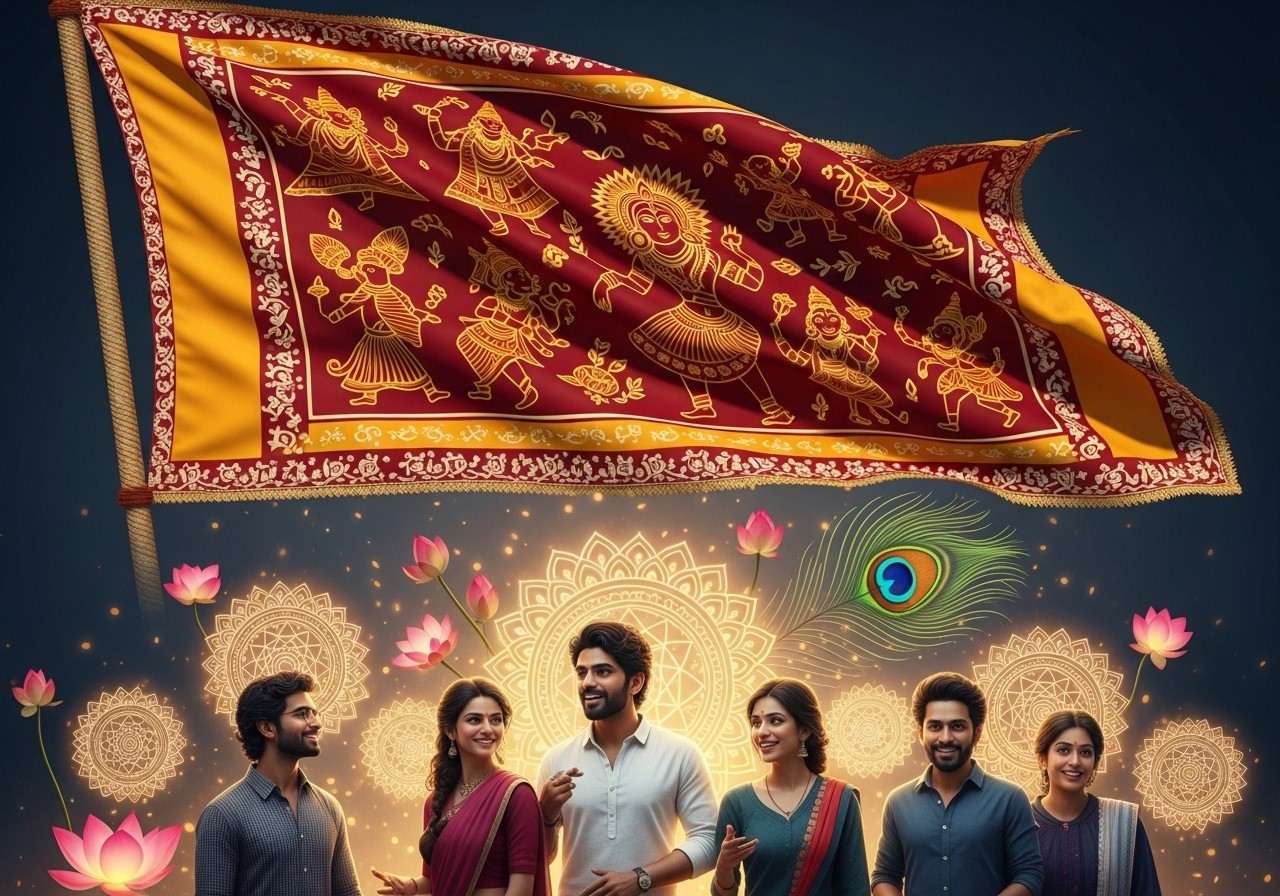
The Tulu Nadu flag is far more than just a piece of cloth; it is the heartbeat of regional pride and an emblem of solidarity for the Tuluvas. While it may not hold official governmental status, the flag is deeply cherished as a symbol of the Tulu people, their ancestral lands, and their vibrant culture.
- Inspired by Spiritual Flora: The fundamental design and color of the flag are lovingly derived from the sacred Kepula flower. Because this stunning maroon flower is an integral part of traditional Tulu rituals and local poojas, the flag acts as a constant reminder of the community’s spiritual devotion.
- A Beautiful Array of Variations: Since the flag is a community-driven, unofficial symbol, it wonderfully embraces diversity in its design. You will often see variations ranging from deep, earthy maroon to bright, festive red, proudly waving in either classic rectangular forms or traditional triangular pennons.
During festive gatherings and community events, the sight of this flag soaring high instills a profound sense of unity and shared destiny among the Tuluva people.
The Tulu Language: The Voice of the Ancestors
To speak Tulu is to speak the language of history. As a proud member of the Dravidian language family—alongside Kannada, Tamil, Telugu, and Malayalam—Tulu is widely considered by linguists to be one of the oldest and most culturally rich languages in its family. It is not merely a medium of daily conversation; it is a treasure chest of folklore, deeply connected to the customs of the Tulu-speaking community.
- Geographic and Linguistic Reach: Tulu’s melodious tones are primarily heard across the Dakshina Kannada and Udupi districts of Karnataka, as well as the northern parts of Kerala’s Kasaragod district. Furthermore, the global Indian diaspora carries this linguistic torch to cities like Bangalore, Chennai, Mumbai, and far beyond.
- A Legacy Written and Spoken: Traditionally, the language found its written expression in the beautiful Tigalari script, a sister script to Malayalam descended from the ancient Brahmi script. Beyond the written word, Tulu boasts a breathtakingly rich oral literature, particularly the epic, generation-spanning poems known lovingly as pardana.
Although it awaits official national status, Tulu holds immense cultural value and has been recognized as an official language in Karnataka. Passionate efforts through learning aids and cultural events continue to ensure this beautiful language flourishes.
Celebrating Traditions: Rituals and Tuluva Expressions
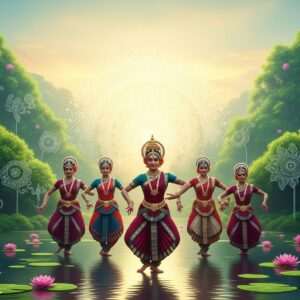
The spirit of Tulu Nadu truly comes alive in its celebrations. Traditional festivals like the exhilarating Kambala and the mesmerizing Yakshagana theater showcase the vibrant, creative expressions of the community. Authentic rituals and deeply rooted ceremonies play an absolutely essential role in preserving this heritage, drawing upon historical depth to express devotion.
Navigating Modern Challenges with Grace
As urbanization gracefully sweeps across India, it brings inevitable challenges to preserving traditional practices. The shift toward modernization sometimes threatens native linguistic continuity and ancestral customs. Yet, the Tuluva community stands resilient. Through dedicated cultural organizations and unwavering advocacy, they are actively fighting to keep their distinct identity vibrant. With heartfelt dedication, they are ensuring that their rich heritage endures, unbroken, for future generations to cherish.
Embracing Your Roots with Poojn.in
At Poojn.in, India’s largest cultural goods store, we deeply understand the emotional longing to stay connected to your ancestral roots. We are wholeheartedly dedicated to preserving and promoting our beautiful Indian heritage by providing access to authentic cultural items, no matter where you reside.
For families wishing to honor their Tuluva identity and uphold daily spiritual practices, we offer a meticulously curated selection of goods. Whether you are looking for premium ceremonial items or pure samagri for your daily offerings, our traditional ritual items collection ensures your poojas are performed with the utmost authenticity and respect. From beautifully crafted diyas to sacred offering vessels, we bring the sanctity of the temple right into the heart of your home.
By bringing these cultural treasures directly to your doorstep, shopping at Poojn.in allows you to beautifully support the preservation of our rich heritage while enjoying the modern convenience of online shopping. If you need any guidance finding the perfect item for your next household ritual, please feel warmly invited to contact us at 03369029784 or simply WhatsApp us at 9476142738. We are always here to serve your devotional needs.
Frequently Asked Questions on Tuluva Symbols
What exactly is the Tulu Nadu flag?
The Tulu flag is an emblematic banner that beautifully symbolizes the rich cultural and regional identity of the Tulu-speaking people, primarily hailing from the coastal regions of Karnataka and Kerala.
How is the Tulu Nadu flag traditionally used?
This cherished flag is proudly displayed during vibrant cultural events, local festivals, and community gatherings. It serves as a visual anchor, fostering a deep sense of pride and unbreakable unity among the Tuluva community.
What is the significance of the colors in the Tulu Nadu flag?
The flag draws its deeply spiritual colors from the maroon Kepula flower, a blossom essential to local rituals and offerings. Because it is an organic, community-led symbol, you will beautifully see it in varying shades from dark maroon to striking red.
What defines the Tulu language?
Tulu is a beautifully phonetic Dravidian language native to the Tulu Nadu region. Spoken predominantly in the coastal districts of Karnataka and parts of Kasaragod in Kerala, it stands as one of the oldest languages in its linguistic family.
Why does the Tulu language hold such deep importance?
Tulu is not just a mode of communication; it is the very vessel of the community’s heritage. It acts as a repository for historical documentation, ancestral folklore, and the epic oral poems known as pardana, preserving a truly unique cultural identity.
Are there resources available to learn the Tulu language today?
While it may not be uniformly taught in all formal school curriculums, there is a heartwarming resurgence in its learning. You can learn Tulu through dedicated community classes, cultural awareness programs, and by warmly engaging with native speakers who are always eager to share their linguistic heritage.
What do Tulu Nadu symbols collectively represent?
Together, the flags, the rich Tigalari script, the language, and the vibrant arts represent the enduring soul of the Tulu-speaking community. They signify a community’s resilient commitment to keeping their ancestral culture alive amidst a fast-changing world.