

Namaskar! When we turn the golden pages of Indian history, few stories resonate with as much pride, devotion, and sheer cultural resilience as the tale of the ancient Mewar kingdom. Delving into the history of the Guhila royal family unveils a fascinating chapter of our Rajputana heritage. From the visionary foundation laid by early rulers to the unyielding courage of the mighty Maharana Pratap, this noble lineage has significantly shaped the spiritual and historical landscape of our motherland. By truly understanding their monumental achievements and deep-rooted devotion to Dharma, we can better appreciate the profound cultural impact they have left on our modern society.
The Sacred Origins and Early Dawn of the Empire
The historical tapestry of this great family begins long before the medieval era. Blending beautiful bardic legends with undeniable historical facts, the origins of the Guhila dynasty can be traced back to the 6th century CE. Historical records and esteemed scholars point to Guhadatta, who migrated from Anandapura (present-day Vadnagar in Gujarat), as the visionary founder. He established an independent city at the sacred grounds of Nagda near Udaipur around 565 CE, planting the seed of what would become a legendary empire.
In their early formative years, between the 8th and 9th centuries, the rulers originally served as feudatories to the formidable Pratihara empire. However, their destiny was meant for greatness. By the 10th century, the rulers of the Nagda-Ahar region had beautifully ascended in political stature, gracefully adopting grand royal titles like Maharajadhiraja. The early lineage saw brave kings like Bhoja, who deeply respected our spiritual traditions by commissioning the construction of a sacred tank at Eklingji, and Nagaditya, whose life was unfortunately cut short in a fierce battle with the local Bhils.
Bappa Rawal: The Visionary Architect of Mewar
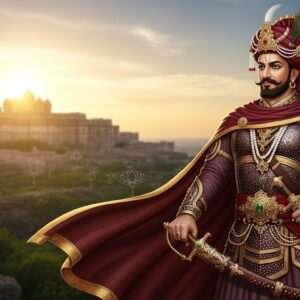
When we speak of Mewar, the revered name of Bappa Rawal (also known as Kalbhoj) stands tall as a beacon of unmatched bravery and spiritual dedication. Widely celebrated as the first major ruler of the region, his journey is nothing short of inspirational. Around 725 CE, he successfully captured the impregnable Chittor Fort from the Moris, an incredible milestone that firmly established the Mewar Kingdom in 728 CE.
Bappa Rawal was not just a fierce protector of his land; he was a deeply spiritual soul. His profound faith in Lord Shiva materialized in the construction of the magnificent Eklingji temple, a divine marvel that continues to inspire millions of devotees today. Beyond our borders, his strategic genius shone brightly as he fiercely repelled foreign Arab invasions in north-western India. Many respected historians believe that he actively participated in an anti-Arab alliance formed by the Pratihara ruler Nagabhata I, ensuring the absolute safety and sovereignty of our sacred culture.
Consolidation, Cultural Flourishing, and the Inevitable Transition
Following the monumental reign of Bappa Rawal, the subsequent generations did not merely rest on their ancestral laurels. His valiant son, Khuman I, fearlessly continued the noble duty of defending the realm against relentless Arab incursions, safeguarding the independence of Mewar. Later, insightful rulers like Allata recognized the need for strategic growth and thoughtfully established a thriving new capital at Ahar.
During this golden period, our rich traditions thrived. The kingdom became a beautiful melting pot of religious syncretism, where Shaivism and Vaishnavism flourished harmoniously hand in hand. Patronage of intricate local crafts, majestic fort constructions, and divine literature enriched the everyday lives of the people. However, the wheel of time turns for everyone. The illustrious Guhila dynasty ruled with honor from the Chittor Fort until it tragically fell to the Delhi Sultanate during the intense Siege of Chittorgarh in 1303 CE, marking a sorrowful end to this specific branch’s direct reign.
Yet, the spirit of Mewar could never be extinguished. In a beautiful testament to their resilience, the Sisodia dynasty—a proud junior branch of the original Guhilas—triumphantly re-occupied Mewar in 1326 CE, breathing new life into the region’s royal legacy.
Maharana Pratap: The Epitome of Indomitable Spirit
Belonging to the brave Sisodia clan of Rajputs, Maharana Pratap Singh I emerged as the 13th ruler of Mewar, reigning with absolute dignity from 1572 until his physical departure in 1597. His name has become entirely synonymous with patriotic courage and an absolute refusal to bow down to injustice.
During an era when many surrendered, Maharana Pratap stood like a mountain in his military resistance against the Mughal Emperor Akbar. He adamantly refused to acknowledge foreign suzerainty, always prioritizing the sacred sovereignty and freedom of Mewar above all worldly comforts. His fierce resistance, most notably witnessed during the legendary Battle of Haldighati, remains an extraordinarily significant event in Indian history. Relying heavily on brilliant guerrilla tactics, he passionately safeguarded the autonomy of his homeland, ensuring that our Hindu traditions and rich heritage continued to thrive without compromise.
Embracing Our Heritage Everyday with Poojn.in
Reading about such legendary figures fills our hearts with immense pride. At poojn.in, we believe that staying connected to our glorious past is an essential part of our modern lives. While we honor the valor of our ancestors, we also carry forward their legacy of profound faith and daily devotion. Poojn.in proudly stands as India’s premier destination for authentic cultural goods, helping you seamlessly integrate our timeless traditions into the comfort of your home.
To help you beautifully sustain the sacred practices observed by great dynasties of the past, we offer an extensive collection of traditional items:
- Sacred Ritual and Daily Puja Essentials: Perform your daily prayers, aartis, and special household ceremonies with the utmost purity and devotion using our rigorously sourced, premium puja samagri, carefully crafted to help you faithfully uphold the timeless spiritual traditions of our venerable ancestors.
- Enlightening Books on Spiritual Culture: Deepen your profound understanding of our nation’s glorious historical past, traditional values, and the royal Rajputana heritage by comfortably exploring our carefully curated selection of highly educational and culturally rich literature.
- Elegant Traditional and Cultural Attire: Fully embrace the vibrant cultural essence and modesty of the bygone eras by thoughtfully choosing from our extensive wide range of absolutely authentic Indian clothing, which is wonderfully perfect for family festivals, regular temple visits, and grand traditional gatherings.
All these authentic heritage products are readily available for secure purchase at https://www.poojn.in, where you can peacefully enjoy the modern convenience of online shopping without ever compromising on cultural authenticity. For any heartfelt inquiries or personal assistance with your order, please do not hesitate to softly contact us at 03369029784 or kindly reach out via WhatsApp at 9476142738.
The Enduring Legacy That Inspires Us Today
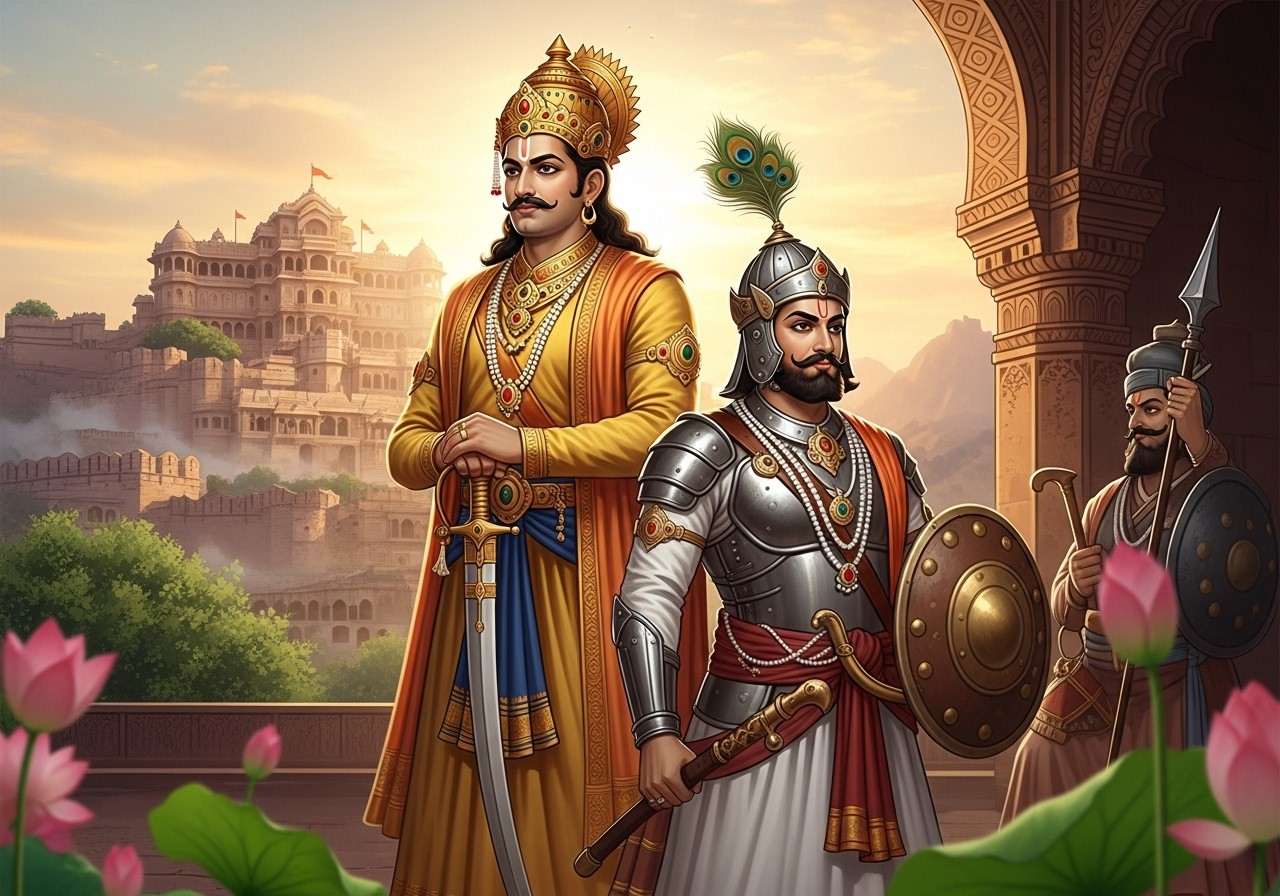
The journey of the Mewar rulers weaves an eternal tapestry richly embroidered with unmatched valor, deep-rooted tradition, and spectacular cultural brilliance. From the foundational spiritual leadership of Bappa Rawal to the fiercely unyielding, patriotic spirit of Maharana Pratap, their inspiring story is one of unwavering, lifelong dedication to preserving sovereignty and ancestral heritage. This beautiful legacy is certainly not confined to the dusty pages of old history books; it actively breathes life into the vibrant, everyday traditions of modern India.
Today, as we thoughtfully reflect on their monumental journey, we deeply recognize not just their historical battles, but the immense cultural and spiritual wealth they generously bestowed upon our nation. This noble lineage continues to stand proudly as a shining beacon of cultural integration, perfectly balancing immense political power with humble, everyday devotion to the divine.
Understanding the Royal Lineage: Frequently Asked Clarifications
The Identity and Significance of Bappa Rawal
Many history enthusiasts lovingly seek to understand the man behind the legend. Originally known as Kalbhoj, Bappa Rawal is revered as the visionary founder who established the stronghold of the Mewar kingdom. He is universally celebrated for his extraordinary bravery, his instrumental role in capturing the Chittor Fort around 725 CE, and his deep devotion evident in the construction of the sacred Eklingji temple.
The Historical Importance of This Noble Lineage
This ancient royal family holds a deeply crucial role in actively shaping the historical and cultural narrative of present-day Rajasthan. By firmly establishing the independent kingdom of Mewar, they created a magnificent, enduring center for rich heritage, local craftsmanship, and religious harmony that spanned continuously from the 6th century all the way to 1303 CE, before proudly transitioning into the Sisodia era.
The Ancestral Connection to Maharana Pratap
The legendary Maharana Pratap was actually the 13th ruler of Mewar from the Sisodia clan, which is a proud junior branch that brilliantly re-occupied Mewar in 1326. Therefore, Bappa Rawal is a deeply respected early ancestor of Maharana Pratap, connecting them through a long, unbroken chain of courageous Rajput lineage.
The Widespread Reverence for Maharana Pratap
The great Maharana is beautifully remembered in every Indian household primarily for his absolute, uncompromising refusal to accept the suzerainty of the Mughal Emperor Akbar. His fierce military resistance and innovative guerrilla tactics to fiercely safeguard the pure autonomy of Mewar, particularly highlighted during the iconic Battle of Haldighati, remain a defining symbol of Indian nationalism and true sovereignty.
The Cultural Impact on Indian History
Beyond the battlefield, these phenomenal rulers heavily influenced our great Indian history by actively promoting and preserving local Rajput arts, literature, and syncretic religious customs. By successfully resisting foreign invasions for centuries, they played a profoundly vital role in ensuring that our indigenous, grassroots traditions and values were safely passed down to our current generation.