

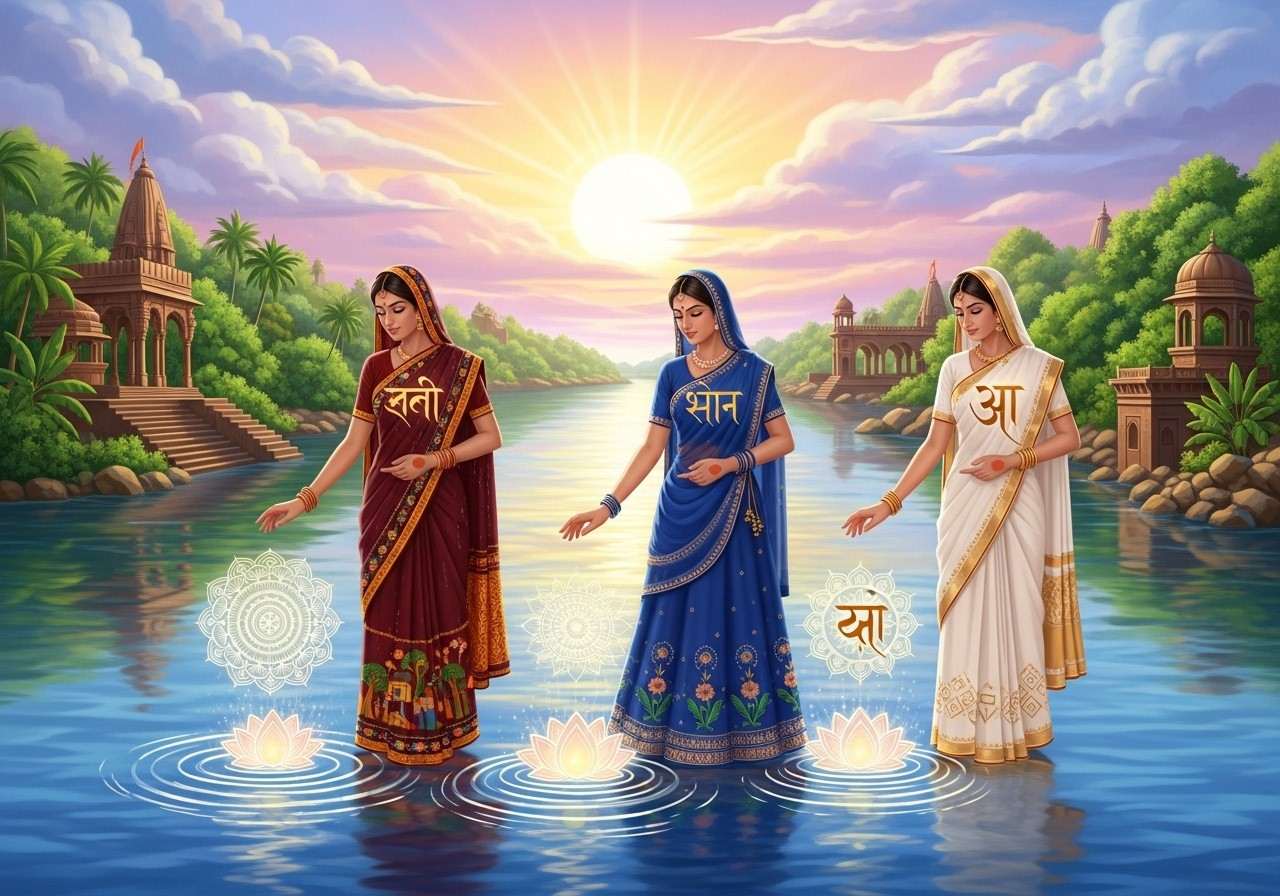
Imagine the vibrant, living tapestry woven by the beautiful writing systems of our beloved regional and classical tongues. These alphabets form a timeless bridge between our glorious past and our bustling present, seamlessly preserving our deeply held traditions while facilitating a rich cultural exchange. Their shared roots within the majestic Indo-Aryan language family create an invaluable heritage that strongly resonates with culturally rooted Indians today. Every time we read a sacred verse or write a heartfelt letter, we are participating in a legacy that has survived for centuries.
Echoes of the Past: The Ancient Roots We Share
To truly appreciate our linguistic parampara, we must look back at our shared ancestry. All three of these magnificent languages proudly belong to the Indo-Aryan branch of the expansive Indo-European language family. Historically, both the widely spoken Hindi and the melodious Bengali evolved gracefully from a profound Sanskrit source. Specifically, modern Hindi evolved from the ancient Shauraseni Prakrit, while the Bengali tongue descended from the Magadhi Prakrit; beautifully, both of these have Vedic Sanskrit as their venerable grandparent.
When we examine the written letters themselves, the historical journey is equally fascinating. Both the flowing Bengali script and the structured Devanagari script (which is utilized for Hindi) originated directly from the ancient, sacred Brahmi script. As our ancestors migrated across different regions of Bharat, these writing systems thoughtfully adapted to local dialects, beautifully influencing how our everyday languages developed.
Visual Harmony: How the Alphabets Connect
If you take a quiet moment to observe the alphabets closely, the visual and structural connections are truly heartwarming. Linguistically, both the Bengali and Devanagari systems are classified as abugidas, which means that syllables are elegantly written with a specific diacritic that either modifies or suppresses an inherent vowel sound. This unique structure gives our written words a continuous, rhythmic flow.
Visually, both writing styles share a defining, sheltering horizontal line resting at the top of the characters, which is affectionately known in our households as the matra or shirorekha. Furthermore, you will easily notice that some stand-alone letters look remarkably similar, or are almost entirely identical, across both scripts. A perfect example is the familiar क in Devanagari and its graceful counterpart ক in the eastern script.
The Rhythm of Grammar and Words
Beyond the letters drawn on paper, the internal rhythm of how we frame our thoughts reveals profound grammatical similarities. These languages comfortably exhibit a similar subject-object-verb (SOV) word order, giving our everyday conversations a warm, familiar cadence. Additionally, they deeply share the practical use of postpositions and specific case markings to give our sentences clear meaning and emotional direction.
Our daily vocabulary is another beautiful testament to this connection, abundantly blessed with Sanskrit loanwords. To understand the depth of this influence, consider that the Bengali vocabulary consists of 50 to 60 percent native Indo-Aryan root words combined with pure Sanskrit words. Similarly, the Hindi language lovingly consists of about 50 percent native Indo-Aryan words interwoven with 15 to 30 percent Sanskrit words.
Cultural Significance in Everyday Devotion
These ancient writing systems are far more than mere tools for communication; they hold immense cultural and ritual significance. They are the sacred vessels found in our religious texts, joyful ceremonies, and vibrant family festivals. Both the eastern and northern dialects boast incredibly rich literary traditions filled with poetry and devotion.
However, despite these wonderful similarities, we must always remember that they are distinct, fully realized languages with unique regional characteristics developed over centuries. The local pronunciation and the deeply emotional way words are spoken by our elders can differ remarkably, adding a beautiful layer of diversity to our unified national identity. Understanding these scripts inherently strengthens our cultural identity, making us feel profoundly connected to our roots.
Nurturing Your Shared Heritage with Poojn
Since these alphabets and languages are so deeply intertwined with our daily devotion, bringing authentic representations of them into your sacred space at home is essential. Here at Poojn, we proudly offer a wide range of cultural goods that beautifully celebrate the shared heritage of these timeless scripts. Our online store provides authentic, high-quality ritual items that are absolutely perfect for honoring traditions and exploring the intricate connections between our regional tongues.
Please remember, we are fully dedicated to providing you with the finest cultural goods directly through our online store. We do not engage in offering travel packages, personal guidance, or VIP darshan services at temples. Our sole focus is to bring authentic devotion right to your doorstep.
- Sacred Books and Texts: We hold a deeply curated selection of books available in multiple regional dialects as well as the classical tongue. These highly revered texts will help you and your family understand the rich, intertwining history of these languages, serving as an invaluable spiritual resource for your home library.
- Traditional Stationery: We warmly invite you to explore our beautiful collection of traditional stationery, which thoughtfully features intricate designs inspired by these very scripts. Whether used for your personal mantra writing or as a meaningful gift for a loved one, these items flawlessly reflect our enduring cultural pride.
- Spiritual Decorative Items: Our hand-picked decorative items perfectly showcase the visual elegance of our ancient alphabets, allowing you to bring a tangible piece of this shared heritage directly into your living space. Each beautifully crafted piece is designed to resonate with the warmth and profound devotion that characterizes a traditional Indian home.
For any more information or personalized assistance, please feel free to gently reach out and contact us at 03369029784 or via WhatsApp at 9476142738. We welcome you to visit our website to explore our genuine products and experience the modern convenience of online shopping, all while staying firmly rooted in tradition with Poojn.
Frequently Asked Questions About Our Linguistic Heritage
How are the alphabets of these regional tongues similar?
They share a beautiful, common ancestor in the ancient Brahmi script. While they have naturally blossomed into distinct styles to perfectly suit their respective regional languages, they still retain remarkably similar structural shapes and phonetic sounds for many of their letters.
Can the ancient classical language be written using the eastern alphabet?
Yes, it certainly can. The flowing script beautifully accommodates the complex phonetic sounds of the ancient classical tongue, making it entirely possible to represent the sacred verses accurately, a practice seen in many historical regional scriptures.
What stands out as the main difference between these two popular writing systems?
The primary distinction lies in their visual script styles and regional evolution. One gracefully utilizes the regional Bengali-Assamese script, while the other relies on the structured Devanagari script. Both proudly possess their own unique, beautiful shapes and specific diacritical marks.
Why do these diverse regional scripts intertwine so deeply?
This profound connection stems from their shared origin from the ancient Brahmi texts and their parallel use in the spiritual and cultural development of the Indian subcontinent. Over countless centuries of shared devotion and literature, they have naturally influenced one another.
Are there any instantly recognizable letters shared across the alphabets?
Absolutely, many letters look and sound wonderfully similar, such as the prominent ‘क’ in the northern script, which beautifully mirrors ‘ক’ in the eastern region. However, it is always fascinating to note that they might have slightly different phonetic nuances in everyday speech.
Is learning the classical roots beneficial for understanding modern dialects?
Delving into the classical roots significantly enhances your understanding of our modern regional tongues, as countless words in our daily speech have their roots firmly planted in ancient vocabulary, deeply enriching your personal comprehension and spiritual vocabulary.
Do these writing systems hold specific cultural significance for our families?
They hold immense cultural significance, serving as the literal vessels that carry our region’s literature, deeply held traditions, and sacred religious texts. They are living representations of our rich heritage, connecting our modern lives back to the profound wisdom of our ancestors.
How can someone practice writing classical verses in regional scripts?
To begin this beautiful spiritual journey, start by gently familiarizing yourself with the regional alphabet and understanding how it phonetically represents classical sounds. Consistent, heartfelt practice of writing out simple everyday words or familiar mantras will quickly help you gain proficiency and a wonderful sense of inner peace.