

The annals of Indian history shine brightly with tales of extraordinary courage, but few figures command as much reverence as the legendary founder of the Mewar dynasty. Born as Kalbhoj but affectionately and respectfully remembered by his people as the great father figure of Rajputana, his life story is a profound reminder of the strength found in unity, faith, and unapologetic bravery. His unparalleled leadership preserved our cultural heritage during some of the most tumultuous times in medieval India, leaving behind an enduring legacy that still pulses through the heart of Rajasthan.
The Formative Years: Forged in the Fires of Adversity
Born in the sacred lands of Chittor in 713 AD, the early life of this legendary Rajput warrior was deeply touched by tragedy and hardship. His father, Rawal Mahendra, along with other male family members, attained martyrdom in a fierce battle against the Bheels of Idar. Raised in secrecy by his devoted mother, he was nurtured with the invaluable help of loyal Bheel attendants who stepped in as his protectors and mentors. These profound early connections deeply rooted him in the local culture, as these trusted guardians trained him extensively in the martial arts, horsemanship, and sword fighting, seamlessly blending royal blood with the grounded warrior spirit of the soil.
Ascension to the Throne: The Dawn of the Mewar Kingdom
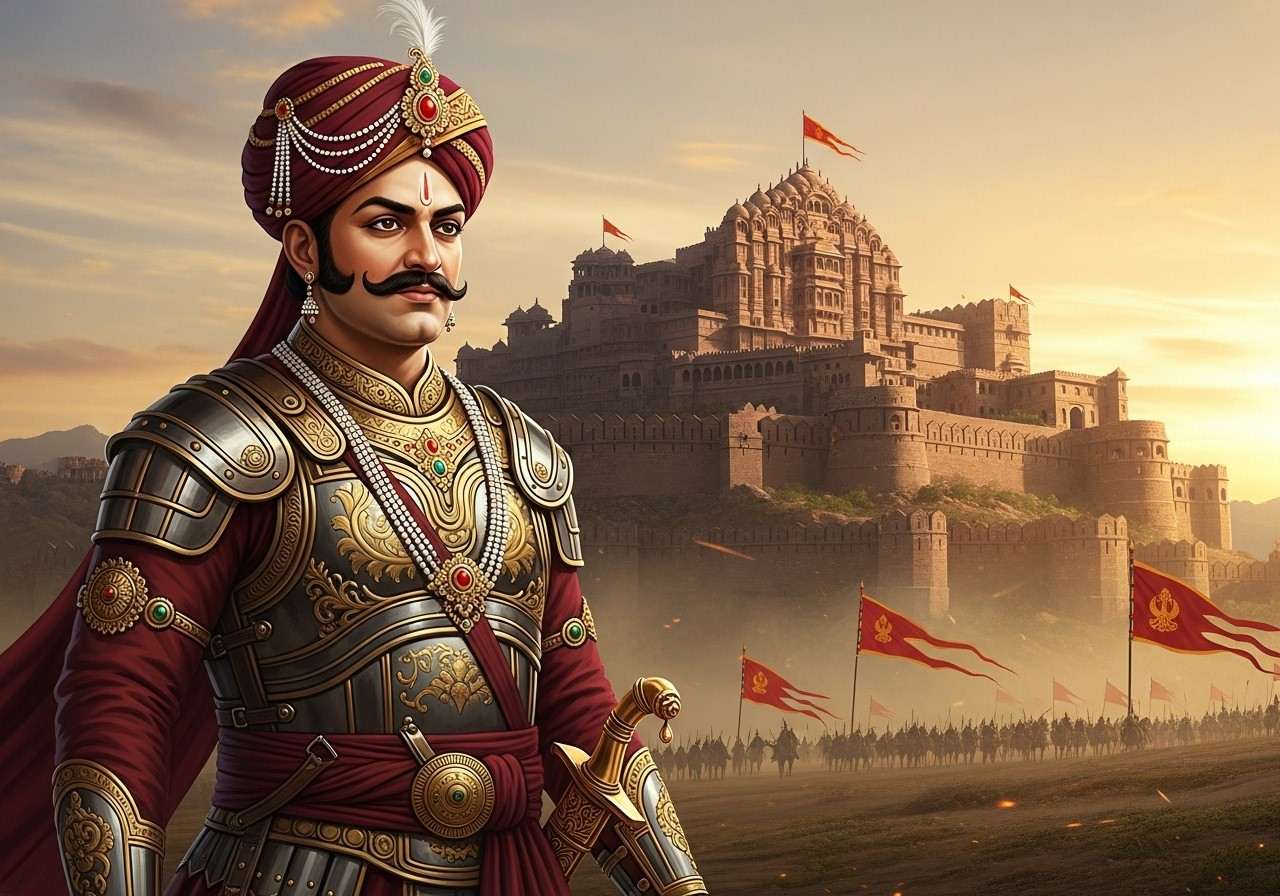
The transformation from a humble, forest-dwelling youth to a formidable monarch is nothing short of deeply inspiring. In 734 AD, at the tender yet fiercely capable age of 21, he achieved what many deemed impossible by defeating Man Mori and capturing the impregnable Chittor fort. He formally laid the foundation of the Mewar Kingdom—a dynasty that would stand tall for over 1300 years. Historical texts suggest the kingdom was conceptually established around 728 CE, with his active and glorious rule expanding dynamically from 734 to 753 CE. This era marked the birth of the illustrious Sisodia Dynasty, a lineage that would continually produce the bravest defenders of the motherland.
Military Triumphs and Unifying the Motherland
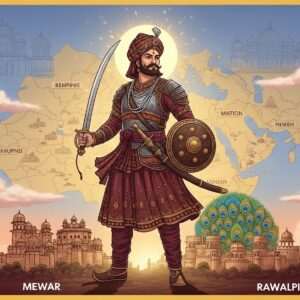
During a time when the north-western frontiers of India faced relentless incursions, the valiant king rose as the ultimate shield of Sanatana culture. He successfully repelled massive Arab invasions, chasing the invading armies deep into the desert terrains beyond Ghazni. In 738 AD, he orchestrated a masterful political and military move by unifying the smaller states of Ajmer and Jaisalmer, forging a powerful confederacy of warriors. Through strategic alliances with mighty Hindu rulers like Nagabhata I of the Gurjara-Pratihara dynasty and Jaysimha Varman of the Rashtrakuta Empire, he liberated Sindh and securely administered a vast geographical expanse, ensuring that our rich traditions remained untouched by foreign subjugation.
Spiritual Surrender and Cultural Contributions
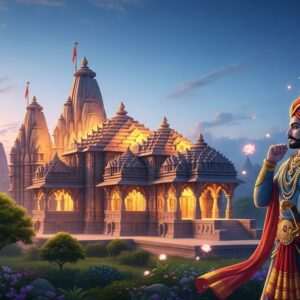
Beyond his terrifying prowess on the battlefield, the great king was deeply anchored in his spiritual devotion. Recognizing that true power flows from the divine, he became an earnest disciple of the revered sage Harit Rashi, who initiated him into the sacred rites of Lord Shiva. In a deeply moving act of humility and devotion, he declared Lord Eklingji as the true, eternal ruler of Mewar, positioning himself merely as the deity’s humble servant (Diwan). In 734 CE, he commissioned the breathtaking Eklingji Shiva temple near Udaipur. To further cement this cultural and religious renaissance, he thoughtfully issued gold coins inscribed with sacred Shaivite symbols, beautifully intertwining spirituality with statecraft.
Embrace Your Roots: Celebrate Our Sacred Heritage with Poojn.in
When we reflect upon the sheer devotion that these legendary rulers held for our deities and rituals, it inspires us to keep those very traditions alive in our modern homes. Poojn.in proudly stands as India’s most trusted online destination for authentic cultural goods, meticulously bringing the sacred essence of our glorious past directly to your doorstep. We understand the deep emotional connection you share with your heritage, and our offerings are designed to honor that very sentiment.
- Exquisite Ritual Essentials: Performing daily pooja is a deeply rooted tradition that brings peace and prosperity to our homes. Discover our extensive selection of premium pooja items, including deeply fragrant incense sticks, beautifully crafted brass diyas, and authentic sacred threads that are absolute must-haves for any spiritual household seeking to replicate the divine atmosphere of ancient temples.
- Authentic Traditional Attire: Clothing is a profound expression of our cultural identity and values. Explore our beautifully curated collection of traditional garments that perfectly capture the grace and elegance of Indian heritage, allowing you to dress with immense pride and reverence during festivals, family gatherings, and religious ceremonies.
- Sacred Home Decor & Artifacts: Surrounding ourselves with symbols of our faith keeps us grounded in our rich history. We offer a wonderful variety of traditional home decor items and historical artifacts that serve as beautiful reminders of India’s artistic legacy, making them perfect additions to your sacred living spaces or as thoughtful gifts for your loved ones.
It brings us immense joy to support your spiritual journey with the highest quality products. Simply visit Poojn.in to explore our exclusive catalog of cultural goods. For any personalized assistance with your orders, please feel warmly invited to call our dedicated team at 03369029784 or drop us a heartfelt message on WhatsApp at 9476142738. Please note that our commitment lies strictly in providing authentic spiritual and cultural items through our online store, and we do not offer travel packages, pilgrimage guidance, or VIP temple darshan services.
The Final Journey: From Sovereign to Ascetic
After nearly two decades of a prosperous and culturally enriching reign, the revered monarch made a decision that beautifully illustrates the Indian philosophy of life’s ultimate purpose. Around 753 CE, having secured his kingdom and fulfilled his earthly duties, he gracefully abdicated the throne in favor of his son. Renouncing the unimaginable wealth and power of a vast empire, he dedicated his final years entirely to the ascetic worship of Lord Shiva. His remarkable transformation from a young, marginalized warrior to a supreme ruler, and finally to a peaceful ascetic, continues to inspire generations, symbolizing the absolute pinnacle of honor, leadership, and spiritual surrender.
Common Curiosities About the Legendary Mewar King
Many individuals eager to connect with Rajasthan’s vibrant history often seek clarity regarding the true identity of this foundational monarch. He was initially known by his birth name, Kalbhoj, and later earned his famous title through his remarkable valor and divine grace. He stands as the undisputed architect of the Mewar dynasty, celebrated across generations for his unparalleled bravery in unifying the Rajputana region.
Interest frequently arises regarding the timeline of his birth. While ancient records can sometimes be steeped in legend, widely accepted historical chronicles place his birth firmly in the 8th century, specifically around 713 AD, a period marked by significant socio-political transformations across the Indian subcontinent.
The details of his extraordinary reign are another fascinating subject for history enthusiasts. His rule is universally recognized as the golden dawn of the Mewar dynasty, defined by aggressive territorial expansion, the brilliant fortification of the Chittor stronghold, and the establishment of a deeply spiritual governance model centered around Lord Eklingji.
When exploring his personal life, historians confirm that he was indeed a family man who ensured the continuation of his illustrious lineage. Although specific details and names of his queens are not extensively documented in mainstream historical texts, his descendants formed the mighty Sisodia Dynasty, which fiercely protected Indian culture for centuries to come.
The enduring significance of his legacy cannot be overstated. He remains a towering figure because he not only laid the unbreakable foundation of a powerful kingdom but also successfully thwarted massive foreign invasions, saving the rich Hindu culture and uniting various warrior clans under a single, formidable umbrella.
His immense contributions to Indian culture extend far beyond the battlefield. He was a passionate patron of spiritual arts and temple architecture, most notably commissioning the magnificent Eklingji temple. By issuing Shaivite gold coins, he intricately wove spiritual devotion into the everyday administrative fabric of his state, a beautiful tradition that resonates even today.
For those deeply inspired by his journey and wishing to learn more, diving into the rich tapestry of Rajput folklore, studying the historical archives of the Mewar region, and visiting the sacred ancient monuments in Rajasthan provide an awe-inspiring glimpse into his monumental life and the era he so gracefully defined.