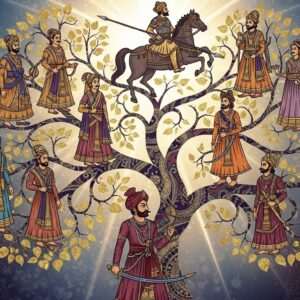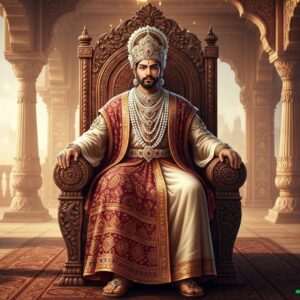


In the heart of Rajasthan, the stories of our ancient rulers are not merely history; they are deeply ingrained in our cultural soul and everyday parampara. Our rich heritage is filled with tales of valiant kings, but few touch the heart quite like the story of the esteemed founder of the Mewar dynasty. It is a profound tale that perfectly bridges the fiery courage of a Rajput warrior with the profound tranquility of a devoted Shiv Bhakt. While his monumental military victories laid the foundation for a glorious empire, it is his remarkable spiritual transition and eventual peaceful departure that offer us the greatest lessons in life and devotion.
The Dawn of a Spiritual Calling
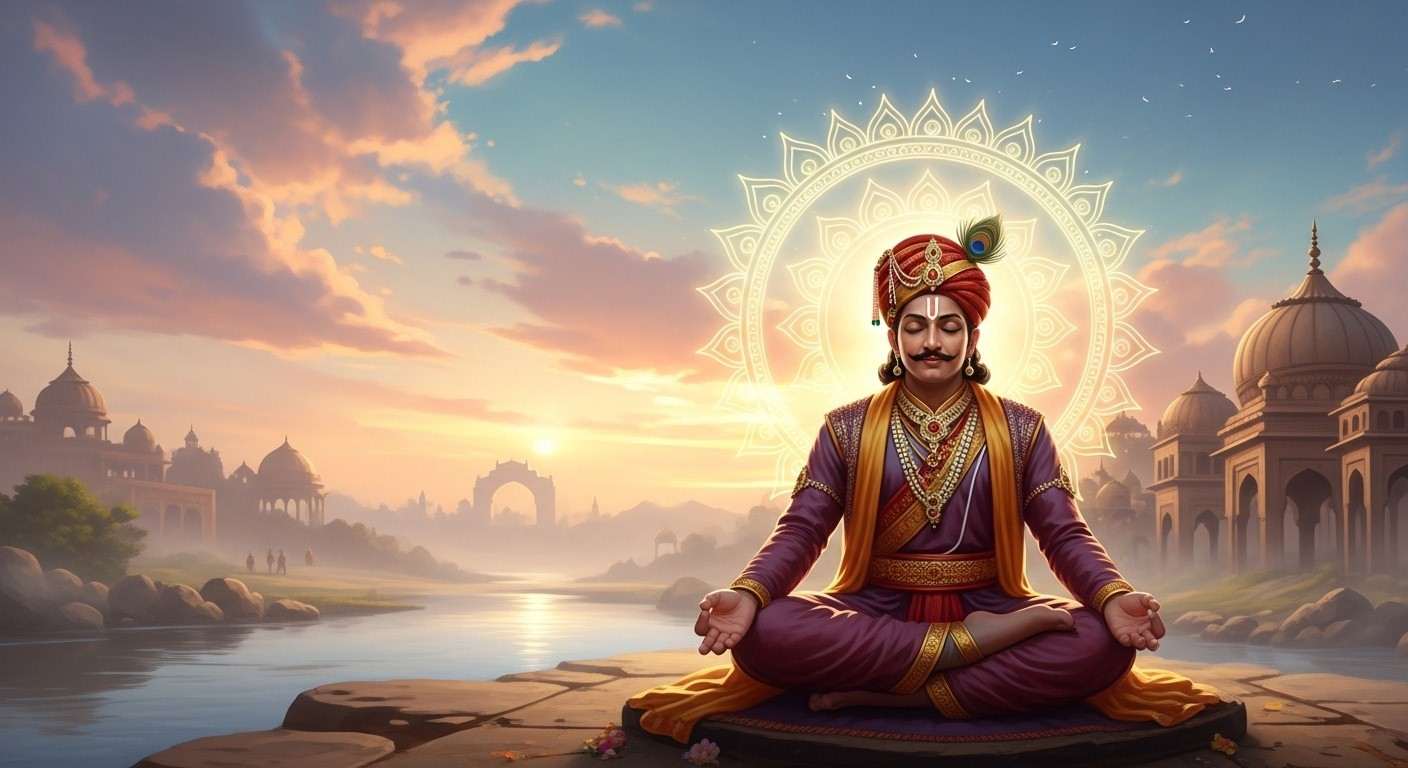
The transition from a powerful monarch to a seeker of truth is a deeply revered concept in Sanatan Dharma. Around the year 753 CE, this great ruler made the extraordinary decision to abdicate his flourishing throne. Driven by an unwavering devotion to Mahadev, he left behind the comforts of his palace and retreated to the serene forests near Eklingji. Embracing the austere life of a Shaivite ascetic, he traded his royal crown for spiritual solitude, dedicating his remaining years entirely to prayer and meditation.
A Peaceful Departure and Noble Succession
The end of this legendary king’s earthly journey is as inspiring as his life. Historical records suggest that he passed away in the late 8th century. Rather than succumbing on a chaotic battlefield, he embraced a natural, incredibly peaceful end to a beautifully fulfilling life. Having lived to a ripe, venerable age, his departure was a gentle transition from the physical world to the divine realm. Before his passing, he ensured the safety of his people by gracefully passing the mantle to his capable son, Khuman I, who successfully continued the fight to protect their sacred lands from foreign incursions.
The Sacred Samadhi Sthal: The Ultimate State of Moksha
Today, the Samadhi Sthal—the final resting place of this legendary warrior-saint—is peacefully located near the town of Kailashpuri. To be precise, this highly revered site is situated approximately one mile north of Eklingpuri and about 2 km from Nagda, nestled deeply within the spiritual heart of the Udaipur district.
In our Sanatan tradition, attaining Samadhi is the absolute highest state of meditative absorption, representing the soul’s ultimate liberation, or Moksha. His passing is viewed not as an end, but as a glorious merging with the absolute divine. Today, the wonderfully restored temple at this Samadhi site stands as a beacon of peace, inviting modern pilgrims to reflect on the beautiful impermanence of life and the eternal nature of the soul. Furthermore, we joyously honor his immense contributions and spiritual legacy every year on March 26, celebrated widely as his official Jayanti.
Honoring Ancestral Legacies with Authentic Traditions
The profound spiritual journey of such magnificent historical figures constantly reminds us of the importance of maintaining our own spiritual roots and properly honoring those who came before us. At Poojn.in, India’s most trusted online destination for authentic cultural goods, we are deeply committed to helping you preserve these sacred paramparas right from the comfort of your home. Please note that we strictly retail genuine cultural goods through our online platform; we do not offer travel packages, guided tours, or VIP temple darshan services of any kind.
- Authentic Puja and Memorial Kits: Our thoughtfully assembled ritual kits contain absolutely everything you need to perform deeply respectful ceremonies for your ancestors or beloved deities. Every single item is sourced with strict adherence to traditional purity, ensuring that your prayers resonate with true devotion and unquestionable Vedic authenticity.
- Premium Incense and Dhoop Varieties: The simple act of lighting dhoop or agarbatti is a beautiful, time-honored method to purify your home’s atmosphere and invite positive divine energy. We offer an extensive selection of natural, chemical-free fragrances that are specifically crafted to help you establish a serene, temple-like meditative environment in your own daily life.
- Traditional Brass and Copper Utensils: Offering sacred elements like Jal (holy water) or Panchamrit during your daily worship requires vessels that truly honor the sanctity of the ritual. Our exquisite collection of finely crafted brass and copper puja utensils ensures that every single offering you make is rooted in absolute purity and timeless tradition.
- Sacred Texts and Spiritual Literature: Immersing yourself in the teachings of our great ancestors and understanding the profound depth of our ancient rituals can significantly elevate your personal spiritual journey. Our dedicated online library features a wide array of sacred texts and spiritual books that offer invaluable wisdom into our rich cultural heritage and eternal Sanatan values.
To explore our genuine collection and bring these sacred elements into your daily worship, please visit our digital store at https://www.poojn.in/. If you need any warm guidance in choosing the right spiritual items for your home, feel free to call us at 03369029784, or simply drop a friendly message on WhatsApp at 9476142738.
Commonly Asked Questions About This Spiritual Transition
How did the esteemed founder of Mewar gracefully conclude his life?
He concluded his earthly journey in absolute tranquility, completely surrounded by the spiritual serenity of the dense forests. After voluntarily handing over the reins of his vast kingdom, he dedicated his final days entirely to the worship of Lord Shiva, experiencing a profoundly peaceful departure.
At what stage of life did he leave this mortal world?
Historical consensus beautifully indicates that he lived a long, highly purposeful life, surviving into a ripe and venerable age well past his 60s. This remarkable longevity and clarity of mind were undoubtedly the direct blessings of his highly disciplined, ascetic, and yogic lifestyle.
Where exactly can devotees find his final resting place today?
Devotees can visit his highly revered Samadhi Sthal near the peaceful town of Kailashpuri. Specifically, the restored site is located about one mile north of Eklingpuri and roughly two kilometers from Nagda, deeply connected to the spiritual capital of Eklingji in the Udaipur district.
What makes this specific site so spiritually and culturally vital?
The site is much more than a historical memorial; it is a powerful, living symbol of a soul’s pure union with the Supreme, perfectly reflecting the ultimate goal of Moksha in our Dharmic tradition. Today, the beautifully maintained temple serves as a spiritual haven for countless pilgrims seeking inner peace and profound inspiration.
Did he choose this difficult ascetic path of his own free will?
Yes, his remarkable transition from an incredibly powerful monarch to a humble, forest-dwelling ascetic was a completely voluntary and deeply conscious decision. Driven by an intense, unwavering devotion to Mahadev, he willingly stepped away from all material wealth to pursue the absolute highest spiritual truths.
Are there special occasions to collectively commemorate his life?
Absolutely, his enduring cultural contributions and spiritual depth are vibrantly celebrated every year on March 26, affectionately known as his official Jayanti. During this auspicious time, devotees gather to offer special prayers, engage in cultural reflections, and deeply honor the timeless Sanatan values he stood for.