


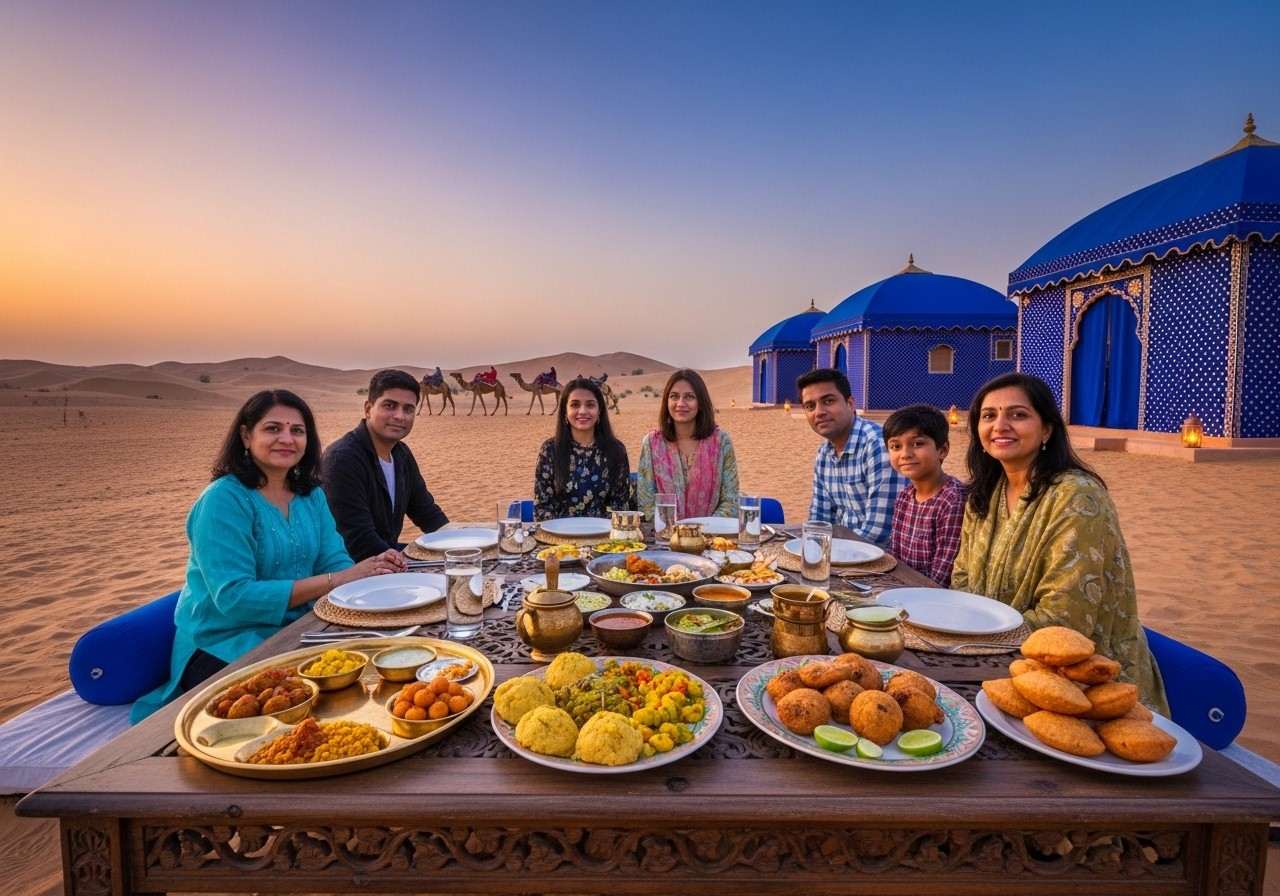
The meatless culinary traditions of Marwar offer a profound window into the region’s spiritual heartbeat and its resilient desert landscape. Deeply anchored in ancient Ayurvedic wisdom, this style of cooking beautifully champions the concept of ‘Sattvic’ nourishment—meals carefully designed not just to feed the physical body, but to instill a profound sense of inner peace, mental clarity, and holistic balance. As we look closely at our ancestral wisdom, we realize that this cuisine was masterfully shaped by historical ingenuity, prioritizing wholesome ingredients that remain deeply nourishing and incredibly flavorful. The intentional use of warming spices and hyper-local ingredients creates unique flavor profiles that perfectly reflect our country’s legendary hospitality and unwavering respect for tradition.
A Tapestry of History and Cultural Devotion
The historical roots of this desert fare are heavily influenced by both the disciplined legacy of warrior communities and the refined tastes of royal kitchens. The Marwari community, in particular, has played a monumental role in shaping these pure culinary practices. Because the challenging arid climate historically impacted the availability of fresh produce, our ancestors developed a brilliant reliance on protein-rich lentils, robust pulses, and nourishing dairy products. Incredible preservation techniques, such as sun-drying desert berries and crafting intricate pickles, were innovated to cope with harsh environmental conditions. Furthermore, our grand festivals and sacred religious practices continue to dictate the seasonal menu, placing a beautiful emphasis on community feasting and preparing pure offerings for our beloved deities.
Wholesome Ingredients and Age-Old Cooking Wisdom
When you peek into a traditional royal or village kitchen, you will immediately notice a profound respect for hardy, drought-resistant ingredients. Nutrient-dense millets like bajra, along with an impressive variety of hearty legumes and dried dals, form the unshakable foundation of these daily meals. Spices such as digestive asafoetida (hing), crackling mustard seeds, and tangy dried mango powder (amchur) are used masterfully to impart distinct, unforgettable flavors. Dairy products, especially pure, home-churned ghee and soothing buttermilk, play an absolutely crucial role in adding both richness and essential moisture to the food.
The traditional techniques utilized in this cooking are nothing short of an art form. Slow-cooking over wood-fired stoves and utilizing traditional utensils like heavy brass kadhais and earthy clay pots dramatically enhance the aroma while retaining vital nutrients. The clever minimal use of water in these recipes perfectly reflects the historical realities of the desert environment. Finally, the quintessential ‘tadka’ or hot tempering of spices in pure ghee remains an essential ritual for unlocking the deepest flavors of any traditional dish.
Heartwarming Sattvic Dishes You Must Try
As contemporary culinary explorations in 2026 continue to highlight, this region’s pure vegetarian fare is brilliantly influenced by its dry climate and the resourceful lifestyle of its people. While grandmothers might not always use the textbook term “Sattvic,” these traditional recipes inherently align with pure, mind-cleansing principles. Here are some of the most cherished mind-cleansing meals that define this heritage:
- Dal Baati Churma: This quintessential meal represents the heart of local hospitality, featuring perfectly baked wheat bread (baati) served alongside a deeply flavorful lentil curry (dal) and a sweet crumbled wheat mixture known as churma. The baati is incredibly versatile and can be enjoyed plain or thoughtfully filled with onions, peas, or roasted gram flour (sattu) depending on your family’s unique preference.
- Gatte Ki Sabzi: A brilliant culinary invention born out of water scarcity, where soft, spiced dumplings made from gram flour are gently steamed to preserve their texture. These delicate dumplings are then slow-cooked in a vibrant, spicy, and tangy yogurt-based sauce, creating a deeply comforting curry that pairs wonderfully with rice or rustic flatbreads.
- Papad ki Sabzi: When fresh vegetables are hard to come by, this ingenious traditional dish comes to the rescue with its bold flavors and deeply satisfying crunch. It is a hearty, quick-to-prepare curry made with roasted or fried crispy papads that are carefully simmered in a spicy, yogurt-infused gravy, offering a delightful textual experience in every single bite.
- Raab: Specially prepared to warm the body and soothe the soul, this incredibly comforting traditional beverage or thick porridge is an absolute staple during the cooler winter months. It is lovingly made with wholesome millet flour and rich buttermilk, slowly simmered to perfection over low heat to provide immediate nourishment and digestive comfort.
- Bajra Roti: This thick, rustic flatbread made from finely ground pearl millet flour is a daily staple in desert households, offering incredible warmth, dietary fiber, and sustained energy for hard-working individuals. It is traditionally smeared with a generous dollop of pure, home-churned ghee and most often enjoyed with an incredibly pungent and flavorful Lahsun ki Chutney (garlic chutney) on the side.
Sweet Indulgences: The Festive Desserts of Marwar
No authentic meal from this majestic land is ever complete without its legendary, rich sweets. These indulgent treats capture the very essence of joy and celebration. Lovingly made with abundant ghee, freshly sourced milk, unrefined sugar, and premium nuts, these desserts are closely tied to auspicious festivals. Let us explore these joyous creations:
- Ghevar: This visually stunning, honeycomb-like traditional disc-shaped sweet cake is a sheer masterpiece made from a simple flour batter and meticulously deep-fried to crisp perfection. It is then generously soaked in pure, aromatic ghee and fragrant sugar syrup, making it an absolute must-have offering during culturally significant celebrations.
- Malpua: Evoking fond, festive childhood memories for countless families, this sweet pancake-like dessert is lovingly prepared with a smooth, lump-free batter of flour, milk, and sugar. It is deep-fried to achieve delightfully crispy edges with a soft, spongy center, soaked in rich sugar syrup, and is sometimes decadently served with thickened rabri (sweetened condensed milk).
- Mohanthal: A majestic, dense fudge that practically melts in the mouth, this royal sweet is expertly crafted using carefully roasted gram flour, generous amounts of high-quality ghee, sugar, and warming spices. To further enhance its regal appeal and festive significance, it is often beautifully garnished with premium chopped nuts and precious strands of saffron.
- Churma Ladoo: A remarkably sweet testament to the zero-waste philosophy of traditional Indian cooking, these dense ladoos are delightfully shaped from a coarsely ground mixture of baked wheat flour, rich jaggery, and melted ghee. For an added layer of delicate texture and visual charm, they are often beautifully garnished with tiny poppy seeds before being lovingly offered to deities or esteemed guests.
- Moong Dal Halwa: Demanding an incredible amount of labor, love, and patience, this exceptionally rich halwa is made by continuously slow-roasting ground yellow moong dal in abundant ghee until it turns perfectly golden and aromatic. Generously studded with premium dry fruits like almonds and cashews, it stands out as a highly popular winter dessert that instantly warms you up from the inside out.
- Kalakandh: Widely recognized and cherished for its exquisitely grainy texture and comforting milky sweetness, this traditional confection is a highly popular sweet hailing straight from the vibrant pink city of Jaipur. Made simply with freshly curdled milk and sugar, it perfectly represents the unadulterated purity and simplicity of traditional dairy-based confections that entire families adore.
Bringing Authenticity into Your Home with Poojn.in
When you wish to recreate this spiritual and culinary magic in your own kitchen, having the right traditional goods makes all the difference. As you immerse yourself in the rich tapestry of our culture, we want to gently remind our cherished community about how we serve you. Please note that Poojn does not provide travel packages or offer tourism guidance for your cultural trips. Additionally, we don’t offer VIP darshan of temples, as we strongly believe in the equality of spiritual devotion. Instead, we strictly and proudly only sell cultural goods through our online store. Our true passion lies in delivering the physical elements of our heritage right to your doorstep.
Whether you are looking for pure brass utensils to perfect your slow-cooked dal, elegant serving bowls for your decadent sweets, or specific ritual items to sanctify your dining space, we have curated everything with immense respect for our shared traditions. We warmly invite you to browse our authentic collection and elevate your family’s cultural experiences. Experience the convenience of authentic shopping at https://poojn.in.
Frequently Asked Questions About These Wholesome Traditions
Understanding the Heart of Desert Cuisine
People often wonder about the true essence of pure, mind-cleansing meals in this regional fare. When we talk about these pure preparations, the focus is entirely on fresh, wholesome, and seasonal ingredients. It consciously avoids overly processed items, favoring clean, simple flavors that are incredibly gentle on the digestion and deeply uplifting for the soul.
Another common curiosity is why this specific region’s food is so predominantly meatless. The answer lies in a beautiful blend of cultural, religious, and geographical factors. The challenging desert climate historically limited certain types of livestock rearing for food, while the profound influence of Jainism and Hinduism in the area firmly embedded the beautiful principles of non-violence and plant-based eating into everyday family life.
Many food enthusiasts enthusiastically ask about the most cherished pure vegetarian dishes from this region. Household favorites include the legendary Dal Baati Churma, the ingenious Gatte ki Sabzi, the deeply rustic Ker Sangri, and the soul-warming yogurt Kadhi. These timeless recipes beautifully utilize local pantry staples and rely on age-old cooking techniques that bring out an incredible depth of flavor without overcomplicating the process.
For those curious about how these desert recipes differ from other regional Indian diets, the distinction is quite fascinating. Due to historical water scarcity, these culinary traditions uniquely rely on milk, pure ghee, and buttermilk not just for richness, but as primary cooking mediums to add essential moisture. Additionally, there is a brilliant, unparalleled use of dried beans, berries, and gram flour that you simply won’t find quite the same way anywhere else in the country.
It is always a joy to know whether one can find these mindful, pure meals outside the royal state itself. Thankfully, the answer is a resounding yes! Across the country and even globally, many authentic Indian eateries proudly feature these wholesome dishes in their dedicated vegetarian sections, making them easily accessible for families seeking balanced, spiritually aligned dining experiences away from home.
Those with a sweet tooth frequently ask if there are traditional sweet indulgences to look forward to after a wholesome meal. Absolutely! The traditional dessert repertoire is breathtaking, featuring rich, celebratory creations like the intricate Ghevar, syrup-soaked Malpua, and the beloved winter favorite Moong Dal Halwa, all lavishly prepared with generous amounts of high-quality milk, pure ghee, and unrefined sugars.
Finally, families often want to know what makes this specific style of cooking so utterly perfect for our grand Indian festivals. The beautiful answer is its intrinsic purity. Because the recipes emphasize simple, clean, and completely unadulterated ingredients, their inherently harmonious nature aligns perfectly with the spiritual fasting, heartfelt gratitude, and joyous celebrations that define our rich cultural calendar year after year.
Embrace the profound authenticity of these traditional dishes, from the hearty nourishment of Bajra Roti to the sweet, festive indulgence of Mohanthal. Each preparation tells a beautiful story, offering a genuine taste of our unique cultural heritage. As you lovingly prepare these meals at home and serve them in authentic brassware, you actively partake in a sacred tradition that has been deeply cherished and protected for countless generations.