

Close your eyes and imagine strolling through the bustling, vibrant bazaars of Jaipur or Jodhpur. The air is beautifully thick with the irresistible aroma of roasted spices, pure desi ghee, and freshly baked breads. The traditional food of India’s desert state is an exquisite tapestry of flavors, elegantly woven with tales of royal grandeur and ancient survival. It is so much more than mere sustenance; it is a profound cultural emblem that connects us to our roots. The harsh, arid climate, with its severe scarcity of water and fresh green vegetables, has remarkably shaped a culinary style that is both highly creative and deeply comforting. Let us take you on a flavorful journey to discover the soulful cooking styles of the Marwari and Rajput communities, each heavily influenced by opulent royal kitchens and the stark geographical beauty of the region.
The Historical Journey of Rajputana’s Culinary Arts
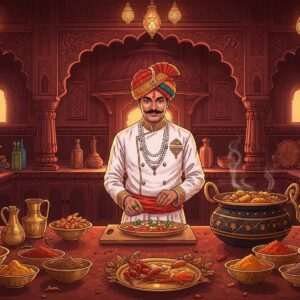
The evolution of this remarkable regional cooking style is deeply rooted in the golden era of the Rajput kingdoms. Royal khansamas (chefs) dedicated their lives to crafting intricate, aromatic delicacies for lavish feasts, leaving behind a culinary legacy that still mesmerizes us in our modern kitchens. Historically, the lack of water and fresh greens in the desert inspired ingenious, time-tested preservation techniques like sun-drying and pickling, ensuring no household ever went hungry.
Over centuries, bustling trade routes brought a magnificent diversity of spices to the region, while the Mughal and Maratha influences introduced incredibly rich, velvety gravies. Alongside the royal indulgence, deeply ingrained religious practices—such as the strict vegetarianism observed in Jain and Hindu Vaishnavite communities—beautifully shaped the everyday dietary preferences of the masses. Today, traditional weddings and festive celebrations continue to feature these elaborate, ancestral food preparations, reminding us of the undeniable importance of food in our cultural bonding.
Key Influences Shaping the Desert State’s Food
The magic of this region’s food lies in how its people turned geographical adversity into a culinary masterpiece. Let us look at the primary elements that give this food its distinct identity:
- The Arid Desert Climate: The exceptionally harsh weather and limited access to water drastically dictated local cooking methods. Homemakers and chefs ingeniously turned to robust ingredients that could last for several days without refrigeration, allowing meals to be savored safely without the constant need for reheating.
- Royal Rajwaadi Elegance: Deeply inspired by the opulence of royal courts, this magnificent cooking style heavily utilizes premium dry fruits, yogurt, and fresh milk products to craft luxurious gravies. Pure ghee and butter are generously used for frying, while expensive spices like saffron, green cardamom, and nutmeg bring an unforgettable, divine aroma to the dining table.
- The Rajput Legacy: Historically, the warrior Rajput community had a profound fondness for hunting, which gave birth to legendary, robust meat dishes. Preparations like the fiery Laal Maas (meat slow-cooked in a brilliant red chili gravy) and Jungli Maas (game meat prepared with the barest minimum of rustic ingredients) stem directly from this adventurous tradition.
- Sacred Temple Traditions: The ancient Hindu temples across the state have significantly enriched the region’s dessert repertoire, leaving a sweet legacy for generations. An endless array of divine sweets heavily relies on pure milk, thick mawa (khoya), and fresh chhena, originally created with deep devotion as sacred offerings for the deities.
Iconic Delicacies You Simply Must Experience
To truly understand the heart of this region, one must dive into its most celebrated traditional dishes. Each recipe is a beautiful story of survival, celebration, and immense love passed down through generations.
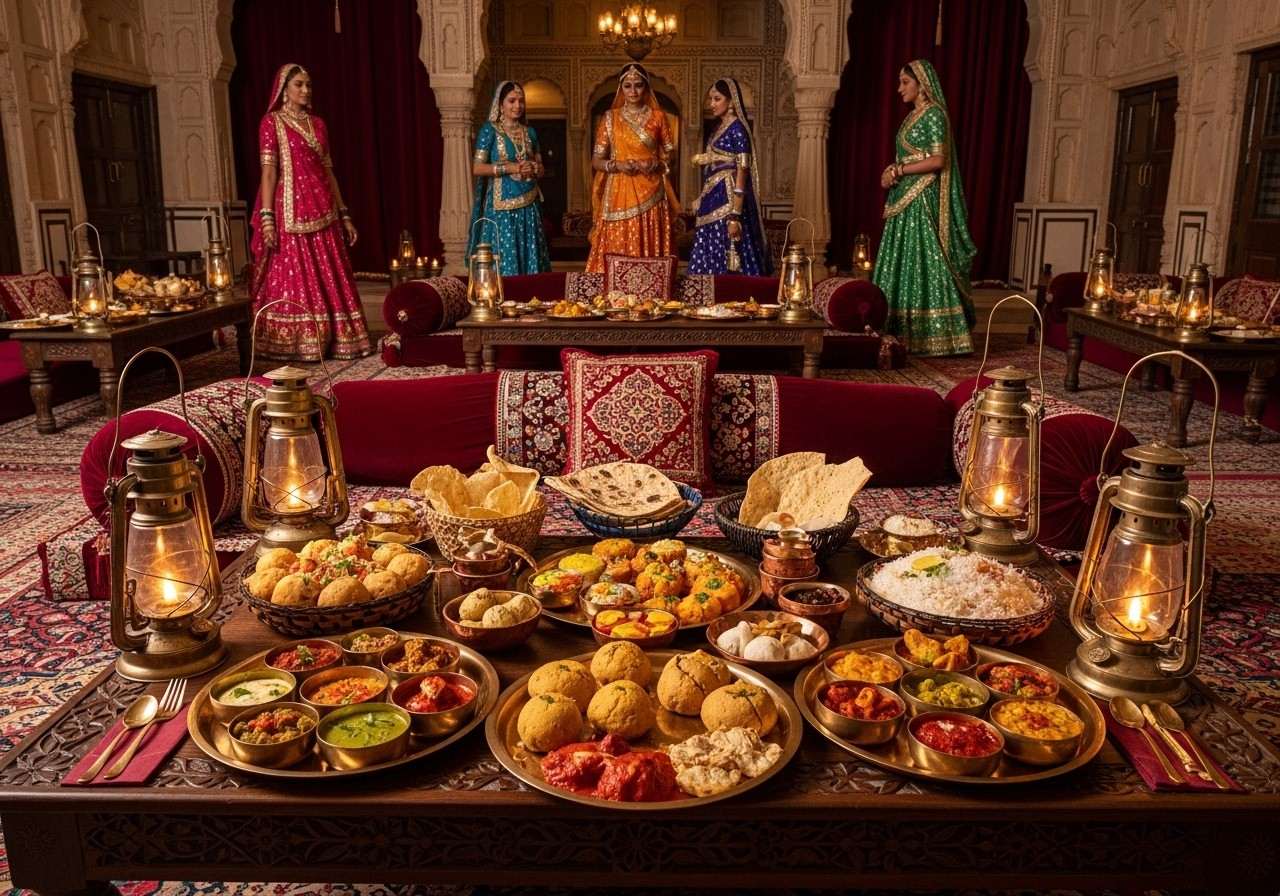
- Classic Dal Baati Churma: Unquestionably the shining crown jewel of the region’s food, this comforting platter combines hearty, spiced lentils with hard, wood-fired wheat bread balls. These freshly baked balls are generously crushed and dunked in pure ghee, served alongside a wonderfully sweet, crumbly wheat mixture called churma.
- Fiery Laal Maas: This iconic, slow-cooked mutton curry is famously recognized for its vibrant crimson hue and intense, lip-smacking flavor profile. Traditionally prepared using potent Mathania chilies, it offers a deeply satisfying, spicy kick that beautifully honors the royal hunting expeditions of the past.
- Authentic Gatte ki Sabzi: A beloved, everyday staple in Marwari households, this brilliant dish features tender gram flour (besan) dumplings simmered gracefully in a tangy, yogurt-based gravy. Different families proudly cherish their own inherited variations, such as the dry, heavily spiced Masala Gatte or the incredibly opulent Shahi Gatte.
- Unique Ker Sangri: A true, unadulterated testament to desert survival, this extraordinary preparation utilizes indigenous, wild ker (desert berries) and sangri (dried beans). Cooked lovingly with a pungent blend of spices and dried mango powder, it delivers an earthy, tangy flavor that pairs perfectly with hot, buttered millet breads.
- Decadent Ghevar: No major festival, especially Teej or Raksha Bandhan, is considered complete without this gorgeous, honeycomb-like sweet masterpiece. Meticulously crafted from refined flour and premium ghee, it is soaked generously in fragrant sugar syrup and lovingly garnished with delicate silver foil and chopped nuts.
Essential Ingredients and Timeless Cooking Methods
Traditional Rajasthani cooks heavily rely on locally grown, drought-resistant grains like millet (bajra) and sorghum (jowar), along with an abundance of protein-rich legumes. The generous use of pure desi ghee is absolutely non-negotiable, as it not only imparts an unmatched, comforting richness but also beautifully balances the intense heat of the local spices. Instead of water, buttermilk and yogurt are frequently used to tenderize meats and form the base of vegetarian gravies.
Historic cooking methods, such as slow-roasting over open wood fires and simmering stews in earthy earthenware pots, remain widely popular today. These ancestral techniques bless the food with a distinct smokiness and a rustic texture that modern appliances simply cannot replicate.
The Warmth of Traditional Dining and Hospitality
In our Indian culture, offering food to guests is considered one of the highest forms of respect, and this heartwarming sentiment runs incredibly deep in the western part of the country. Meals are not rushed; they are cherished occasions designed to foster familial bonds, celebrate community spirit, and express genuine hospitality. Guests are always treated like royalty, served generous, overflowing portions on beautiful metal thalis or traditional leaf platters, preceded by the graceful ritual of washing hands and offering a quiet prayer of gratitude.
Evolving Tastes: Modern Touches on Timeless Classics
While the traditional soul of these beloved recipes remains beautifully intact, modern Indian kitchens are slowly embracing healthy adaptations and subtle global influences. Contemporary chefs are passionately reinventing ancestral dishes by incorporating fresh, organic produce and slightly lighter cooking techniques, all without compromising the rich, authentic taste we crave. Thanks to digital platforms, these treasured family secrets are now reaching food enthusiasts worldwide, ensuring our glorious culinary heritage continues to shine brightly on the global stage.
Enhance Your Culinary Journey with Poojn.in
Bringing the divine, authentic flavors of our rich heritage into your everyday modern kitchen requires not just love, but the absolute right tools and the purest of ingredients. At Poojn.in, we deeply understand the spiritual and emotional connection we Indians share with our daily meals, offering genuine, high-quality cultural goods to elevate your home cooking experience. While we strictly focus on cultural items and do not offer any travel packages or VIP darshan services, we are committed to enriching your household traditions.
- Authentic Kitchen Spices: Sourcing the exact right aromatics is crucial for perfectly recreating those complex regional flavors in your daily meals. We offer premium, unadulterated spices—like vibrant turmeric, fiery red chili, and fragrant coriander seeds—that bring the true, robust essence of traditional cooking straight to your family’s table.
- Heritage Cooking Utensils: Slow cooking in the right traditional vessel makes all the difference in preserving nutritional value and extracting deep, earthy flavors. Our beautiful collection of heavy brass cookware ensures even heat distribution, while our handcrafted clay pots are absolutely ideal for simmering rich, comforting gravies.
- Cultural Dining Decor: Setting a gorgeous, inviting dining table reflects the true warmth of Indian hospitality and makes every simple meal feel like a royal feast. Explore our elegant, culturally inspired tableware and ornate dining decor to create an everyday ambiance that deeply honors our glorious heritage.
For more details, guidance, or to place an inquiry, please feel free to warmly reach out to us at 03369029784 or simply drop a friendly WhatsApp message at 9476142738. Bring the heritage of our culture directly to your home by visiting https://www.poojn.in and exploring our thoughtfully curated collection of cultural goods.
Honoring a Glorious Culinary Legacy
The traditional food of this magnificent desert state is a highly flavorful, emotional journey through history and time. Every single dish reflects the unwavering resilience, immense creativity, and pure heart of the land. From the grandest royal kitchens to the most humble, welcoming homes, the food speaks volumes of our tradition, warmth, and unmatched hospitality. Whether you are savoring the spicy kick of a robust mutton curry or indulging in the delicate sweetness of a syrup-soaked dessert, you are embracing a proud legacy that beautifully continues to thrive. Enjoy the divine taste of royalty with every single bite.
Frequently Asked Questions About the Traditional Foods of Rajasthan
Many curious food lovers often wonder what exactly defines the traditional food of this magnificent desert state. Essentially, it is a highly vibrant and deeply flavorful culinary style from northwest India, characterized by its rich, spicy gravies, the ingenious use of limited ingredients, and a strong reliance on hearty lentils and gram flour. Because of the harsh, arid climate, the locals historically developed brilliant dishes that require minimal water, substituting it abundantly with rich milk, tangy buttermilk, and pure clarified butter (ghee).
When exploring this wonderful regional fare, enthusiasts frequently ask about the most iconic dishes they absolutely must try. Long-time favorites like the comforting Dal Baati Churma, the fiery red mutton curry Laal Maas, the unique desert berry dish Ker Sangri, and the flavorful Gatte ki Sabzi top the list, each lovingly prepared using time-honored techniques. The distinctiveness of these meals lies largely in the heavy use of dried, potent powdered spices, which not only pack an incredible punch of flavor but also act as natural preservatives against the scorching summer heat.
The historical backdrop of these recipes is also a subject of great fascination, influenced largely by the warrior-like lifestyles of the Rajput communities and the stark, limited availability of fresh ingredients. This sheer necessity gave birth to highly celebrated non-vegetarian curries alongside a vast, magnificent array of vegetarian staples influenced heavily by peaceful Jain and Vaishnav traditions. Furthermore, for those wondering if the region caters to a sweet tooth, the answer is a resounding yes. The region offers an abundance of decadent, ghee-laden sweets like Ghevar, Malpua, and Balushahi, beautifully proving that this royal culinary heritage truly holds something magical for every single palate.