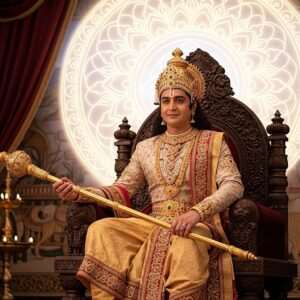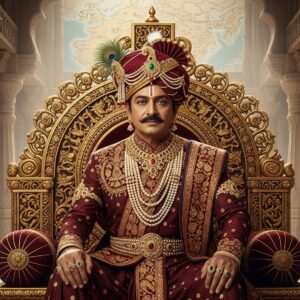


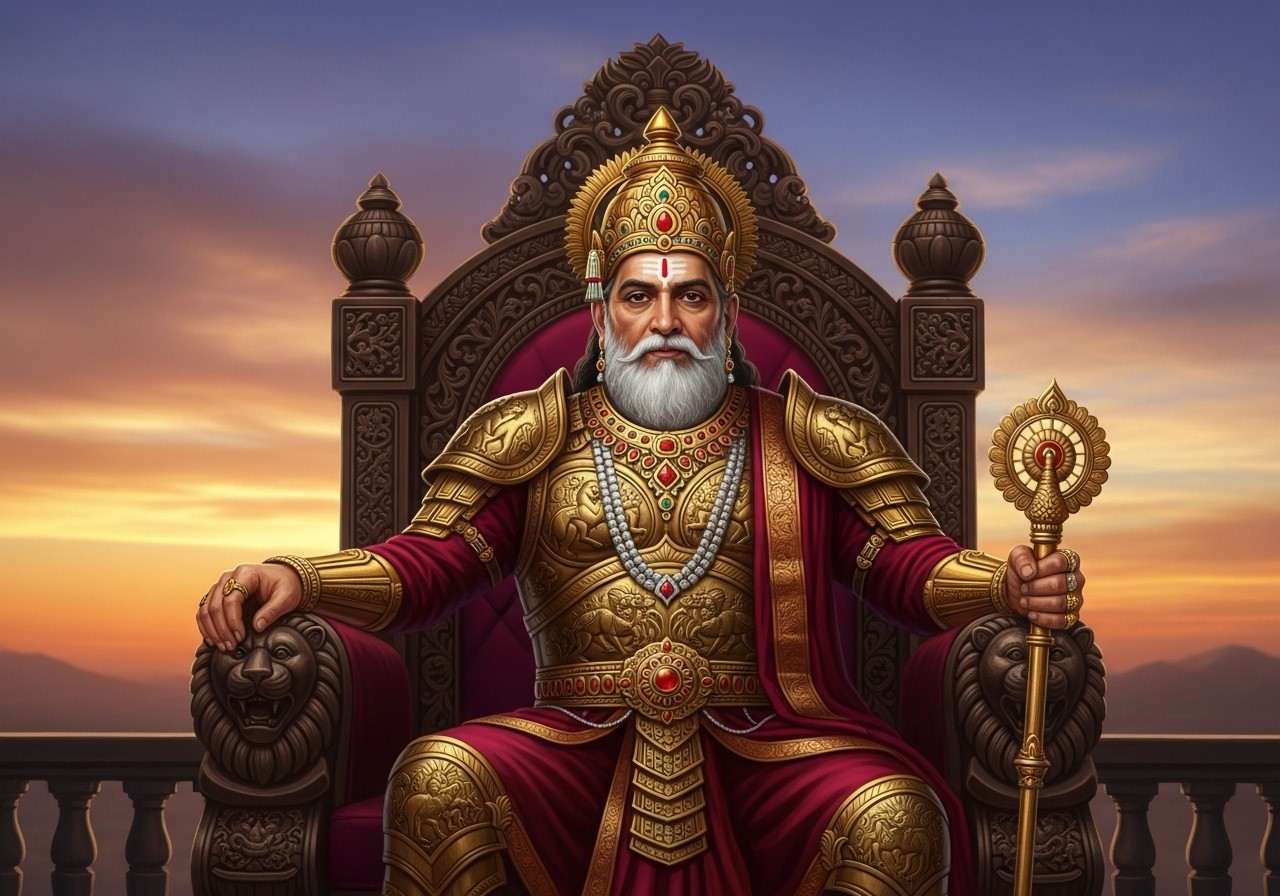
Ancient India’s socio-political landscape was beautifully shaped by a visionary leader who gracefully stood as the vital link between two of our most celebrated historical figures. Chandragupta’s capable heir played an indispensable role in maintaining the vast, magnificent kingdom he inherited. Immersing ourselves in his life’s journey and understanding the eventual transition of power gives us a profound, heartwarming glimpse into a truly transformative era of our glorious cultural past.
Ascending the Throne: The Reign of a Steadfast Guardian
The second emperor of the Mauryan dynasty stepped into monumental shoes when he took over the reins of the subcontinent. Reigning from approximately 297 BCE to 273 BCE, he successfully held together a formidable empire that spanned far and wide—stretching from the towering Hindu Kush all the way to the fertile plains of Bengal, and from the majestic Himalayas down to the Deccan. Through deeply thoughtful administrative policies, he nurtured an environment of economic growth, reassuring stability, and peaceful diplomacy with neighboring states. Alongside his administrative duties, he respectfully engaged with diverse spiritual paths, including Jainism and Buddhism, reflecting the inclusive spirit of ancient India.
A True Pillar of Indian Heritage and Culture
Consolidation and Territorial Wisdom
While modern historical discussions sometimes debate the precise extent of his southern conquests, it is widely acknowledged that his primary and most brilliant focus lay in consolidating existing territories rather than reckless expansion. Rather than stretching his forces thin, this wise ruler ensured that the kingdom remained intact, culturally united, and strong. He maintained a highly organized government that served as a crucial bridge of continuity during a highly formative period in ancient times, ensuring that everyday citizens felt safe and protected.
Administrative Genius and Economic Prosperity
He meticulously continued to refine the highly efficient administrative system initially established by his father. Trade and commerce truly flourished under his steady, encouraging guidance. By actively supporting local farmers and implementing fair, balanced taxation policies, he laid a bedrock of prosperity that significantly improved the daily lives and livelihoods of subjects across his vast realm.
Cultural Patronage and Diplomatic Masterstrokes
Beyond the realm of politics and taxation, his royal court was a vibrant sanctuary for esteemed scholars, deep-thinking philosophers, and highly skilled artists. This deep, personal appreciation for culture sparked a flourishing renaissance in traditional Indian arts and sciences. Furthermore, his exceptional diplomatic skills helped maintain a delicate balance between guarding his kingdom’s borders and forging meaningful, peaceful alliances with surrounding regions.
The Final Days and Paving the Way for a Golden Era
All these monumental, dedicated efforts beautifully set the stage for his beloved son, Ashoka. The incredibly stable environment, efficient administration, and cultural wealth provided the perfect, fertile launchpad for the Mauryan dynasty’s impending golden era. Historical evidence suggests that he breathed his last in the 270s BCE. While some scholars pinpoint the exact year to around 273 BCE, others closely estimate his passing to be between 274 and 272 BCE.
According to most trusted historical records, he passed away due to natural causes, quite possibly after undertaking a solemn, spiritually cleansing 12-day fast. There are also poignant accounts suggesting that deep sorrow stemming from complex family disputes may have heavily weighed on his heart in his final days. His ultimate demise was unfortunately followed by a turbulent four-year succession struggle among his heirs, which eventually culminated in Ashoka rightfully ascending the throne in 269-268 BCE.
Honoring Our Glorious Traditions in the Modern Era
The rich, vibrant history of our ancient ancestors is not just a tale of power; it is a profound reflection of enduring wisdom, deep-rooted tradition, and foresight. Just as the great, benevolent rulers of the past nurtured cultural richness, we too can keep our beautiful, sacred traditions wonderfully alive in our modern, everyday lives. At India’s most trusted destination for authentic cultural needs, we wholeheartedly believe in helping you honor these timeless legacies with absolute devotion and convenience.
- Traditional Puja Essentials: Performing a heartfelt, spiritually uplifting puja is one of the most beautiful ways to pay homage to our ancient roots and seek divine blessings for our families. You can discover completely authentic, high-quality sacred items like beautifully handcrafted incense sticks, heavy brass diyas, and elegantly designed thalis at https://www.poojn.in, which are absolutely perfect for setting up a respectful, traditional worship experience right in the comfort of your home.
- Dashakarma and Sacred Ritual Products: Every sacred family ceremony requires specific, pure ingredients that resonate perfectly with the strict, ancient traditions established centuries ago. Our meticulously curated Dashakarma products reliably provide you with all the essential, premium-quality items needed to conduct complex traditional rituals with effortless ease and the utmost devotion.
- Spiritual Books and Cultural Literature: Deeply understanding our magnificent history and the profound spiritual impact of ancient dynasties is essential for lovingly passing down traditional values to the next generation. We proudly offer an extensive collection of culturally rich literature that delves deep into ancient Indian history, allowing you and your loved ones to reflect on the monumental, shaping contributions of our past.
- Heritage-Inspired Decorative Items: Surrounding yourself with authentic elements of traditional Indian craftsmanship can instantly create a serene, culturally vibrant atmosphere in your living space. Our exclusive online store features a wide array of exquisite decorative items that beautifully reflect the historical significance, warmth, and artistic legacy of ancient India’s golden eras.
We are entirely dedicated to offering authentic cultural goods that seamlessly bring the sanctity of tradition directly to your doorstep. For more detailed information on our divine collections and to embrace your heritage, please visit https://www.poojn.in or warmly reach out to us by calling 03369029784 or connecting via WhatsApp at 9476142738.
Common Inquiries About the Second Mauryan Ruler’s Enduring Legacy
What led to the end of this great emperor’s reign?
The conclusion of his life remains gently wrapped in a veil of antiquity. Historical texts largely point toward natural causes, with many reliable accounts mentioning a peaceful passing after a voluntary, spiritual 12-day fast. However, some poignant historical whispers thoughtfully suggest that sorrow over familial conflicts might have deeply affected his well-being during those final, quiet days.
When did the transition of power take place?
His highly impactful reign came to an end in the 270s BCE, with close estimates placing his passing between 274 and 272 BCE, or roughly around 273 BCE. This pivotal, historic moment marked the end of his steady, nurturing rule and unfortunately triggered a four-year succession struggle, ultimately leading to his son Ashoka’s legendary coronation in 269-268 BCE.
Who carried forward the grand Mauryan legacy after him?
Following a challenging, multi-year period of succession, his son Ashoka emerged victoriously as the heir to the vast empire. Ashoka would lovingly go on to become one of the most celebrated, spiritually awakened, and compassionate rulers in Indian history, building directly upon the incredibly stable foundation his father had so carefully and lovingly laid down.
What is the most enduring aspect of his legacy?
His true, remarkable legacy lies in the masterful consolidation of an incredibly vast empire stretching from the Hindu Kush all the way down to the Deccan. By ensuring absolute internal stability, actively fostering economic prosperity through fair taxation, and passionately patronizing the arts, he brilliantly created the perfect, nurturing environment for his successor’s future magnificent achievements.
How long did he guide the destiny of the Mauryan Empire?
He thoughtfully and firmly guided the destiny of the Indian subcontinent for roughly a quarter of a century, extending from around 297 BCE to 273 BCE. During these crucial, defining years, he dedicated his life to maintaining the spectacular, united framework initially initiated by his father, Chandragupta Maurya.
Did his peaceful era experience any significant internal conflicts?
While his long era is widely and fondly remembered for its overriding stability, prosperity, and peace, running such a massive ancient kingdom naturally came with its share of minor revolts and internal friction. Fortunately, his incredibly robust administrative acumen and sharp diplomatic skills allowed him to successfully manage and peacefully diffuse these issues, keeping the empire tightly and harmoniously united for the generations to follow.