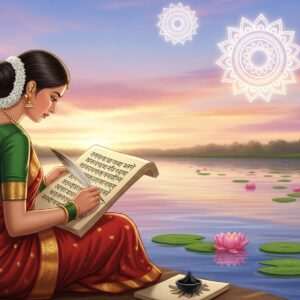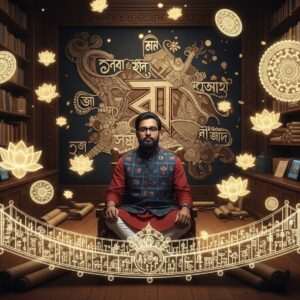

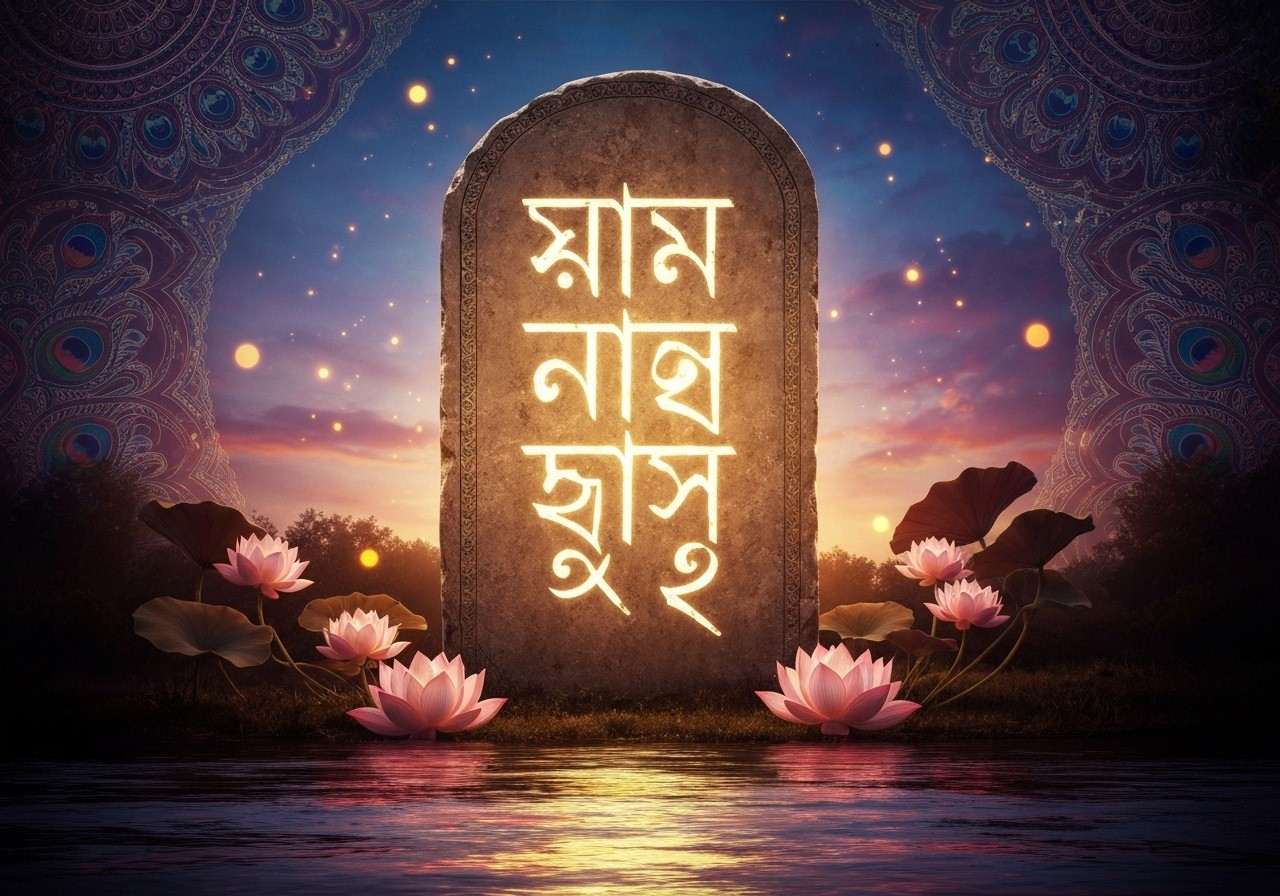
Every language carries the heartbeat of its people, and the Bangla script is a profound reflection of India’s glorious linguistic heritage. Also known as the Bengali writing system, it is much more than just a tool for communication—it is the sacred vessel that has carried generations of poetry, philosophy, and everyday emotions. Today, an incredible 300 million people use this beautiful abugida script, proudly cementing its place as the 5th most common writing system in the entire world.
Understanding how these graceful, sweeping curves came into existence helps us appreciate the resilience and depth of our shared culture. Let us take a heartfelt walk through history to see how this cherished regional script took shape, adapting and blossoming through the centuries.
Ancient Origins: The Seeds of a Literary Tradition
The story of this beloved script does not begin in isolation; it is deeply entwined with the ancient spiritual and academic traditions of India. The foundational bedrock for this writing system is the venerable Brahmi script. While some historians lovingly debate whether Brahmi carries the whispers of the ancient Indus Valley civilization, it is undeniably the mother of many Indian languages. The northern class of the Brahmi script eventually paved the path for what we recognize today.
The journey from ancient etchings to beautifully rounded letters occurred in distinct, fascinating stages:
- The Influence of the Gupta Age: The Gupta period, often celebrated as a golden era of Indian history, acts as the true starting point for the script’s evolution. During this time, monumental shifts in art and literature nurtured the early, rudimentary forms of our regional letters.
- Transformation through Siddham and Gaudi: Over hundreds of years, the script flowed into the Siddham and later the Gaudi styles. The mighty Pala Empire, stretching from the 8th to the 12th centuries, provided the vital cultural patronage needed for these letters to mature and gain their distinctive eastern flair.
- A Unique Path from the 11th Century: Around the 11th century AD, our regional writing system began to confidently branch away from the Devanagari script. It quickly became the preferred medium not just for local dialects, but also for preserving profound Sanskrit texts across eastern India.
A Tapestry of Cultural Intersections
What makes the Bangla writing system so wonderfully unique is its ability to welcome and absorb diverse cultural interactions gracefully. By the 12th century AD, the fundamental structure of the letters was nearly complete. However, like a river gently changing its course, natural and artistic refinements continued seamlessly until the 16th century.
During the medieval period, particularly around the 13th century under the Bengal Sultanate, the region experienced significant cultural exchanges. Muslim conquests and extended cultural contacts introduced Arabic and Persian influences into the literary fold. This beautifully enriched the vocabulary and added subtle stylistic nuances, proving that true linguistic strength lies in adaptability and inclusive growth.
The Dawn of Modernity and Standardization
The transition from handwritten manuscripts on palm leaves to the printed page was a monumental leap for eastern Indian literature. The printed form of the alphabet that we read today made its first grand appearance in 1778, thanks to the pioneering efforts of Charles Wilkins, who developed the earliest printing techniques for the language.
However, the true modernization of the script—the refined version taught to our children today—was sculpted in the 19th century by visionary social reformers. The great Ishwar Chandra Vidyasagar played a monumental role by standardizing the letters and introducing essential punctuation marks. His loving dedication ensured that the script was accessible, logical, and beautifully structured for future generations.
As the written word evolved, so did the literary styles. The language beautifully segmented into two distinct standard forms: Sadhubhasa, the elegant, highly Sanskritized speech reserved for formal literature, and Chaltibhasa, the vibrant colloquial speech rooted in the dialects of Kolkata and neighboring towns. Over time, the warmth and relatability of Chaltibhasa naturally made it the dominant voice in modern literature.
Distinctive Features of the Eastern Abugida
For those who deeply observe the mechanics of language, the structure of this script is a masterclass in phonetic precision. Written fluidly from left to right, it completely bypasses the concept of capital and lowercase letters. Instead, it operates as an “abugida”—a highly sophisticated system where consonant letters carry an inherent, built-in vowel sound.
- The Magic of Diacritical Marks: To change the inherent vowel sound of a consonant, writers use beautifully crafted diacritical marks (matras) that elegantly attach to the top, bottom, or sides of the base letter. This allows for a deeply phonetic and accurate representation of spoken sounds.
- The Signature Horizontal Line: A continuous horizontal line running along the top of the characters tightly binds the words together. Coupled with the famously rounded, sweeping curves of the letters, it gives the text an undeniably warm and aesthetic visual rhythm that calms the eyes.
Honoring Our Heritage Through Sacred Traditions
The historical journey of this writing system is not just academic; it is intensely emotional. It is the very script that preserves our most sacred religious texts, our comforting folklore, and our deeply held spiritual mantras. Every time we open a holy book or recite a prayer written in these familiar letters, we are participating in a tradition that is centuries old.
Embracing this rich cultural identity means honoring both the wisdom of our ancestors and the sacred rituals they passed down. We know that performing these ceremonies requires pure devotion and the right traditional materials. At Poojn.in, proudly standing as India’s Biggest Dashakarma Bhandar, we deeply understand this spiritual connection.
Our expansive online store is lovingly dedicated strictly to offering authentic cultural goods. Whether you are preparing for a major household puja, a festive ceremony, or seeking daily spiritual items, we provide a wide range of genuine ritual supplies that perfectly complement your devotion. We do not deal in travel packages or VIP temple darshans; our pure focus remains entirely on bringing the finest, authentic Dashakarma essentials right to your doorstep, allowing you to focus entirely on your prayers.
Whenever you need traditional ritual items that resonate with our glorious heritage, simply visit Poojn. For any heartfelt guidance regarding our cultural goods, you can always reach out to us comfortably at 03369029784 or send a quick WhatsApp message to 9476142738. Let us help you keep the sacred flames of our culture burning bright.
Frequently Asked Questions About the Script’s Heritage
Who is credited with inventing this historic writing system?
This magnificent script was not the creation of a single individual. Rather, it is the result of centuries of collective human evolution. It organically sprouted from the ancient Brahmi script and was continuously refined by generations of scholars, scribes, and visionary reformers like Ishwar Chandra Vidyasagar, who lovingly gave it its modern, standardized shape.
What are the fundamental roots and historical timeline of the letters?
The timeline is vast and richly layered. It began with the foundational Brahmi script, transitioning into the Gupta script during the classical age. From there, it gently evolved into the Siddham and Gaudi scripts under the patronage of early eastern empires, finally crystallizing into the distinct regional alphabet by the 12th century.
Why did the characters and writing style change so much over time?
Languages breathe and grow alongside their people. The script evolved to accurately capture the unique phonetics of the spoken language. Additionally, beautiful cultural intersections, such as the profound Arabic and Persian influences during the medieval Muslim conquests, naturally enriched the writing system, making it more robust and expressive.
What are the most recognizable characteristics of this alphabet?
Operating as a highly logical abugida, the script features consonants that hold inherent vowel sounds, which are gracefully modified using specific diacritical marks. Written elegantly from left to right, its most striking visual traits are the continuous horizontal line across the top of words and the warm, deeply rounded curves of the individual letters.
How does this writing system differ from other Indian scripts like Devanagari?
While it shares a strong familial bond with Devanagari—both being proud descendants of the Brahmi lineage—they began to diverge around the 11th century. The eastern script eventually developed a distinctly softer, more circular, and fluid appearance compared to the slightly more angular aesthetics of its sister scripts, giving it a unique visual identity.
Every time we write, read, or pray using this magnificent script, we keep a 300-million-strong legacy vibrantly alive. Let us continue to celebrate our linguistic roots, embrace our timeless traditions, and seamlessly pass this beautiful heritage on to the generations yet to come.