


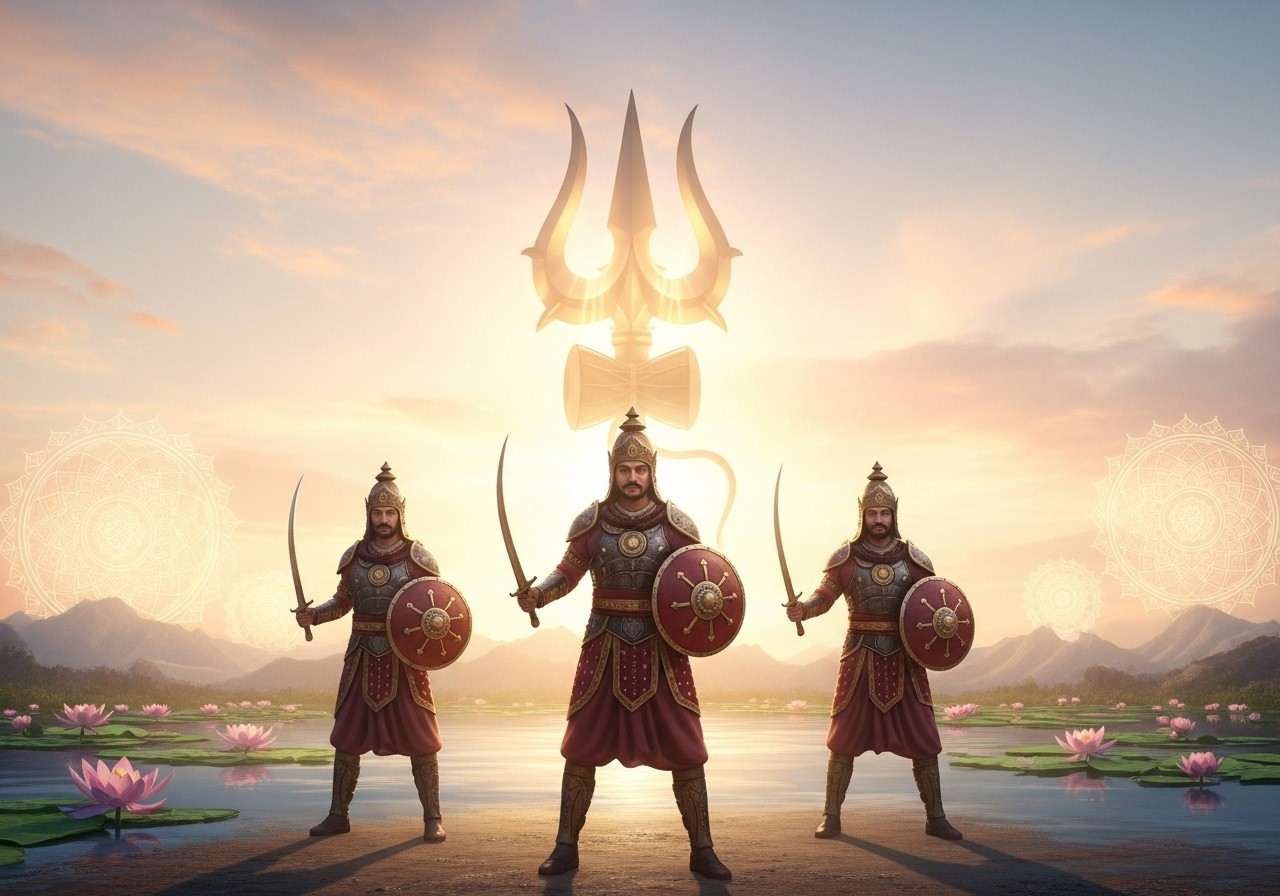
Exploring the Trishula Vyuha offers a captivating and deeply inspiring journey into the tactical brilliance of our ancestors. This ancient Indian military arrangement, shaped meticulously like a sacred trident, is far more than a simple battlefield tactic. It is a profound reflection of our rich cultural heritage and an enduring symbol of strategic genius that dates back to the era of our great epics. By understanding the intricacies of this fascinating multi-pronged strategy, we gain beautiful insights into the intellectual depth and spiritual discipline that defined ancient Indian warfare.
The Epic Origins and Mahabharata Connection
The roots of this magnificent formation are deeply embedded in the historical texts of the Mahabharata. It was not merely a theoretical concept, but a highly practical and devastatingly effective strategy employed during the greatest war of our history. On the intensely fought eighth day of the Kurukshetra War, the Pandavas masterfully deployed this trident-shaped strategy. Their primary goal was to effectively counter and neutralize the impenetrable Kurma Vyuha (Tortoise formation) that had been formidablely set up by the great grandsire, Bhishma. This historic deployment highlights how our ancestors continuously adapted their strategies to overcome seemingly insurmountable odds on the battlefield.
Structure, Strategy, and Tactical Brilliance
The defining characteristic of this battlefield arrangement is its unique three-pronged structure, deliberately designed to confuse and completely overwhelm enemy forces. It is an explicitly offensive formation that demands both geographical advantage and immense discipline. The structure is generally divided into specific functional wings:
- The Anchor of the Central Wing: In this masterful layout, the central prong takes on the heaviest burden of direct engagement. Its primary responsibility is to hold the frontline firmly, often defending a narrow entrance or a restricted geographical chokepoint, thereby absorbing the enemy’s main charge while keeping them trapped in a confined operational space.
- The Aggression of the Flanking Side Wings: While the center holds the enemy’s attention, the two outer prongs execute swift and aggressive flanking maneuvers. These side wings are responsible for striking the opponent from multiple unexpected directions simultaneously, creating a multifaceted assault that shatters the enemy’s psychological resolve and logistical coordination.
- Crucial Limitations and Coordination Needs: For this sophisticated strategy to succeed, absolutely flawless coordination and supreme efficiency among all three wings are mandatory. Any slight delay or miscommunication between the commanders of the central and side wings could create a fatal gap, allowing the enemy forces to break through the formation and turn the tide of the battle.
Cinematic Representation and Historical Geography
Modern storytelling has beautifully captured the essence of this ancient tactic. A visually stunning example can be witnessed in the cinematic masterpiece, Baahubali: The Beginning. In a defining sequence, the Mahishmati kingdom successfully deploys this exact trident strategy against the invading Kalakeyas. The film perfectly illustrates the geographical requirements of the tactic—using the central wing to defend a narrow gorge entrance while the side wings aggressively envelop and decimate the enemy. This showcases that understanding the terrain and manipulating enemy positions were just as vital as the bravery of the soldiers executing the complex maneuvers.
The Spiritual and Cultural Symbolism
Beyond its application in ancient warfare, the trident arrangement holds a deeply sacred space in our cultural consciousness. The trident, or Trishul, is intimately linked to Lord Shiva, symbolizing the ultimate destruction of evil and the regeneration of universal dharma. When this divine symbolism is translated into military strategy, it profoundly reflects core Indian values such as unwavering courage, spiritual unity, and focused determination. You will frequently find these motifs beautifully woven into our temple architecture, classical literature, and timeless art, constantly reminding us of the spiritual strength required to conquer life’s daily battles.
Embracing Our Heritage with Poojn.in
As we marvel at the glorious legacy of Lord Shiva’s Trishul and the strategic brilliance of our ancestors, keeping our spiritual connections alive in today’s fast-paced world is more important than ever. Engaging in daily pujas and honoring our deities at home is a beautiful way to stay rooted in these timeless traditions. We understand that finding pure, authentic samagri can sometimes be difficult in our modern routines.
This is exactly where we step in to assist you. Poojn.in is India’s most trusted online destination for authentic cultural and spiritual goods. Whether you are seeking premium incense sticks that elevate your meditation, sacred kumkum and haldi powders, or beautifully crafted brass puja thalis to honor Mahadev, our online store brings the purity of Indian traditions right to your doorstep. Please note that while we do not offer travel packages or VIP temple darshan, our sole dedication is to provide you with the finest spiritual items for your home rituals.
By bringing home genuine spiritual products from Poojn.in, you ensure that every prayer is offered with the utmost respect and authenticity. For any guidance on our products, our warm and welcoming team is just a call or message away. Feel free to connect with us at 03369029784 or reach out conveniently via WhatsApp at 9476142738. Experience the joy and peace of traditional worship with the absolute convenience of our online spiritual store.
Insights and Reflections on the Trident Strategy
What exactly is the Trishula Vyuha in ancient texts?
It is a highly sophisticated, ancient military formation prominently featured in our historical texts. Deliberately shaped like a trident, it consists of three distinct fighting sections designed to simultaneously disorient and overpower opposing forces on the battlefield.
Why did ancient warriors prefer this specific battlefield arrangement?
Our ancestors utilized this offensive strategy to gain a massive tactical advantage against larger armies. Its unique, multi-pronged structure effectively divides the enemy’s attention, creating widespread confusion and severely disrupting their defensive lines from multiple angles.
What deeper cultural meaning does this strategy hold?
At its heart, it symbolizes divine strength, spiritual prowess, and the ability to tackle overwhelming challenges with a perfectly coordinated plan. Inspired by Mahadev’s weapon, it represents the triumph of focused unity over chaotic evil forces.
How does the mechanics of this strategy actually unfold during a clash?
During a full-scale battle, the army is strategically divided into three highly coordinated groups. The center holds the enemy steady, often at a chokepoint, while the flanking groups launch devastating surprise attacks on the sides, creating inescapable chaos for the opponents.
Are the core principles of this ancient tactic still relevant in our modern lives?
Absolutely. While we no longer fight on traditional battlefields with swords and shields, the timeless principles of this strategy—such as resource allocation, team coordination, and dealing with challenges from multiple fronts—are incredibly useful in modern business, corporate leadership, and strategic planning.
What is the ultimate takeaway from understanding this ancient strategy?
The true essence of this formation is learning how to divide and conquer gracefully. It teaches us that by maintaining a strong, defensive core while simultaneously addressing challenges from different angles, we can achieve success through impeccable focus and unity.
By exploring the depths of our glorious past, we do much more than read history; we inherit the profound wisdom of our ancestors. The timeless principles of such formations continue to inspire us, serving as a beautiful reminder of the phenomenal strength that lies in cultural rootedness and unified coordination.