
The elegant curves and rhythmic strokes of the Bangla alphabet hold the collective heartbeat of our vibrant culture. It is far more than just a method of putting words onto paper; it is a sacred thread connecting millions to their deep-rooted heritage across West Bengal, Assam, Tripura, and Bangladesh. As we trace the evolution of this magnificent writing system, we are gently reminded of the profound linguistic and artistic wealth passed down by our ancestors.
A Tapestry of Tradition and Identity
Ranked globally as the 5th most widely used writing system, it is embraced by an estimated 300 million people with immense love and pride. This culturally rich system serves proudly as the sole national script of Bangladesh, while also being an official pillar of communication in Indian regions like West Bengal, Tripura, and Assam’s beautiful Barak Valley. Understanding its origins is like walking barefoot through the courtyard of our history, feeling the enduring pulse of our ancestors’ wisdom.
The Ancient Roots: A Journey from Brahmi
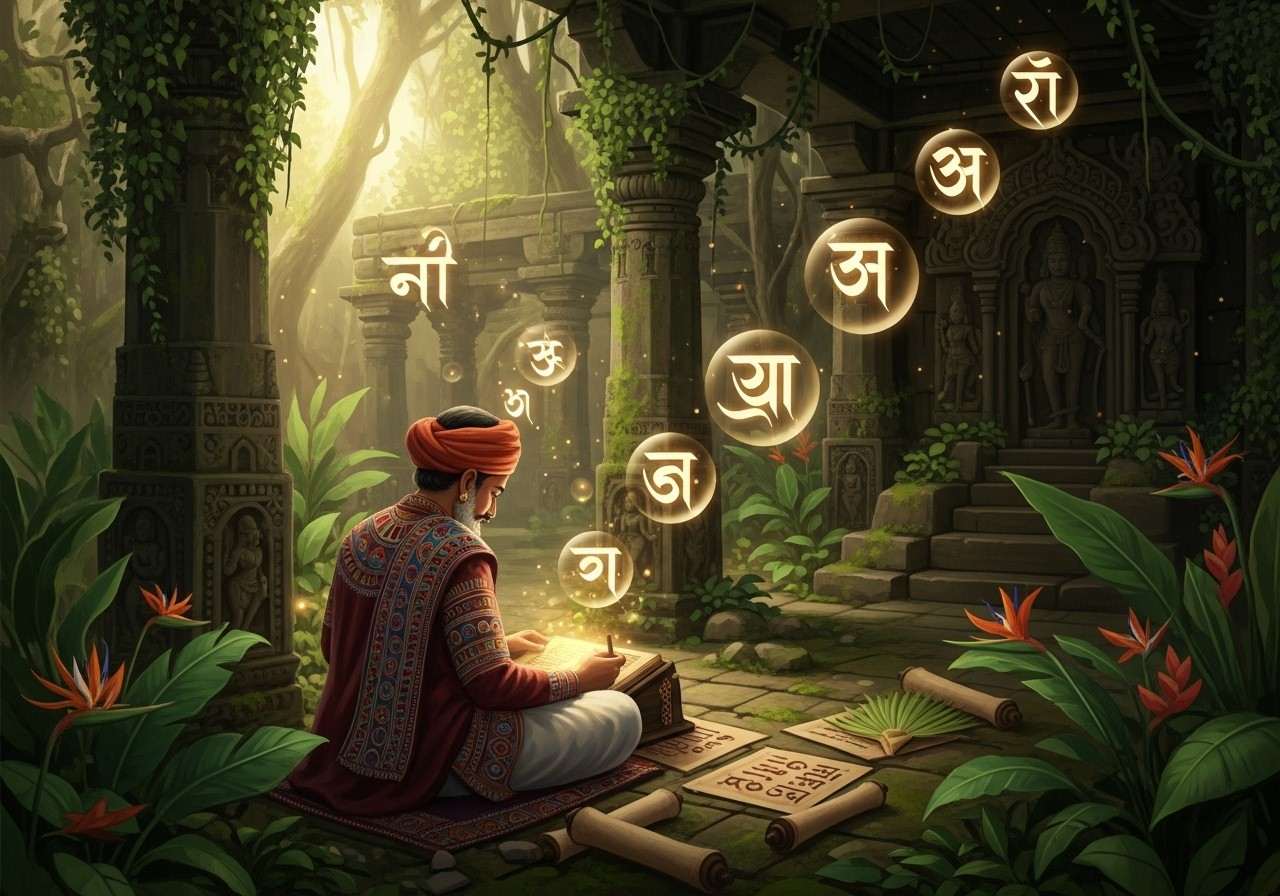
To truly appreciate this eastern script, we must travel back to the golden eras of ancient India. Its earliest foundations were laid by the ancient Brahmi script, specifically blossoming from the eastern variety of the northern Brahmi class. During the glorious reign of the Pala Dynasty in the 8th century AD, a vibrant cultural exchange introduced elements from the Northern Indian Nagari style, gently transforming the writing into what historians beautifully call ‘Proto-Nagari’.
The linguistic tapestry of our region is incredibly diverse. While some passionate scholars trace the linguistic roots to Magahi Prakrit via Magahi Apabhramsha around the 10th century CE, others suggest its earliest whispers began in the Gauda region as early as the 7th century CE. The transition from the sacred Siddham styles used in revered Buddhist texts further enriched its divine form, highlighting an era of immense spiritual and intellectual sharing.
How the Writing System Blossomed
The graceful transformation of consonants and vowels didn’t happen overnight; it was a slow, meditative blooming across several centuries. By the 11th and 12th centuries AD, ‘Proto-Bangla’ characters began taking recognizable shape, and remarkably, by the 12th century CE, the alphabet was nearly complete in its familiar form.
During the 14th and 15th centuries, eastern regional languages like Odia, Maithili, and the Bengali-Assamese family became clearly distinguished from their common predecessor, Gaudi. Much later, legendary visionaries like Ishwar Chandra Vidyasagar brought thoughtful refinements to the alphabet, championing its use in literary masterpieces. It is fascinating to note that this script gracefully flows from left to right and possesses no capital letters, reflecting a seamless, uninterrupted stream of consciousness. The University of Calcutta initiated significant standardization reforms starting in 1936, a nurturing process that carried well into the early 21st century.
The Cultural Pulse of Our People
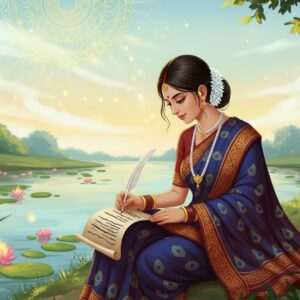
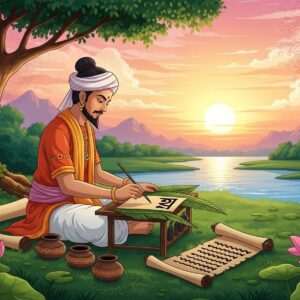
Our literary heritage, preserved within these rounded characters, is a treasure trove of emotion and intellect. Through it, we experience the soul-stirring poetry of Rabindranath Tagore and the fiery, rebellious spirit of Kazi Nazrul Islam. The script itself is a canvas for breathtaking calligraphy and ancient manuscripts that lovingly adorn our museums and ancestral homes.
Beyond art, it is a powerful symbol of linguistic rights and resilience, having played an intensely emotional role in political milestones like the Bangladesh Liberation War. It continues to deeply impact education, media, and everyday heartfelt communication, holding our communities together in a warm, unbreakable embrace.
Embracing the Digital Era
As we step confidently into the future, our traditional writing system beautifully adapts to the modern digital landscape. While global Unicode standardization presented early technical hurdles, today, seamless integration into software and smartphone keyboards empowers speakers worldwide. Contemporary initiatives continuously strive to preserve the timeless aesthetic of the characters, ensuring that our children and grandchildren can easily read, write, and rejoice in their mother tongue across every digital platform.
Celebrate and Nurture Our Roots with Poojn.in
At Poojn.in, we understand the deep emotional value of staying spiritually connected to our rich traditions. We specialize exclusively in bringing you authentic cultural goods through our online store, helping you honor your roots. Please remember that to maintain our sincere dedication to these sacred items, we do not offer travel packages, travel guidance, or VIP darshan of temples. Our heart lies solely in providing you with meaningful artifacts that uplift your cultural journey.
Here are some beautiful ways you can celebrate this linguistic heritage with us:
- Authentic Calligraphy Sets: For those who wish to experience the meditative joy of writing in the traditional style, these high-quality pens and specialty papers provide the perfect canvas. They beautifully help you connect with the rhythmic flow of the characters, just as our ancestors did, and are proudly available at https://www.poojn.in.
- Insightful Literature and Books: Dive deeply into the captivating history and gradual development of this magnificent writing system with our thoughtfully curated selection of literature. These books offer a profound glimpse into the linguistic journey of our forebears, which you can easily find at https://www.poojn.in.
- Handcrafted Cultural Artifacts: Bring home a piece of our glorious artistic heritage through items that beautifully reflect the artistry and timeless traditions associated with our linguistic roots. Each piece serves as a warm reminder of our shared cultural wealth, accessible directly via https://www.poojn.in.
For more authentic cultural treasures, we warmly invite you to visit our online home at https://www.poojn.in, or you can lovingly reach out to us at 03369029784. For your convenience, we are also available via WhatsApp at 9476142738.
Frequently Asked Questions about Our Beloved Writing System
Who invented the alphabet we use today?
The creation of this cherished alphabet wasn’t the work of a single individual. It organically blossomed over generations, drawing deep influences from ancient writing systems like Brahmi and Siddham, adapting beautifully to the cultural shifts of our ancestors.
What is the overarching history behind these letters?
Our beloved alphabet has a rich, layered history that stretches back to antiquity. Originating from the eastern variety of the Brahmi script, it gently absorbed influences from the Nagari styles and the sacred Siddham forms, constantly evolving to meet the expressive needs of the people.
When did the script formally originate?
While its deep spoken and written roots can be traced to the Gauda region around the 7th century CE, others link it to Magahi Prakrit in the 10th century. By the 11th and 12th centuries AD, the early forms began taking clear, recognizable shape before maturing fully.
How did the characters evolve over time?
The graceful evolution was fueled by rich interactions between regional cultures and dialects in South Asia. Over centuries, the script transformed from early ‘Proto-Nagari’ under the Pala Dynasty into the fully differentiated eastern script we cherish today.
Why does this writing system hold such immense importance?
It serves as the vital guardian of our immense literary and cultural identity. Beyond preserving historical texts, it facilitates heartfelt daily expression, standing as a proud symbol of unity and resilience for millions of speakers.
What are the main visual features of the writing?
Characterized by elegant, rounded shapes and a distinctive continuous horizontal line at the top known as the “matra,” it is visually mesmerizing. Comprising a rich set of vowels and consonants, it is uniquely written from left to right without any capital letters.
Where is this writing system primarily used?
It is proudly the national script of Bangladesh and is officially used in the Indian states of West Bengal, Tripura, and the Barak Valley of Assam. Additionally, it is held close to the hearts of the global diaspora who continue to pass it on to future generations.
How has it influenced neighboring languages and scripts?
Its enduring beauty and structure played a pivotal role in the development of neighboring writing systems, such as Assamese and Manipuri. This interconnectedness beautifully illustrates the shared cultural dialogues that have flourished across eastern India for centuries.