


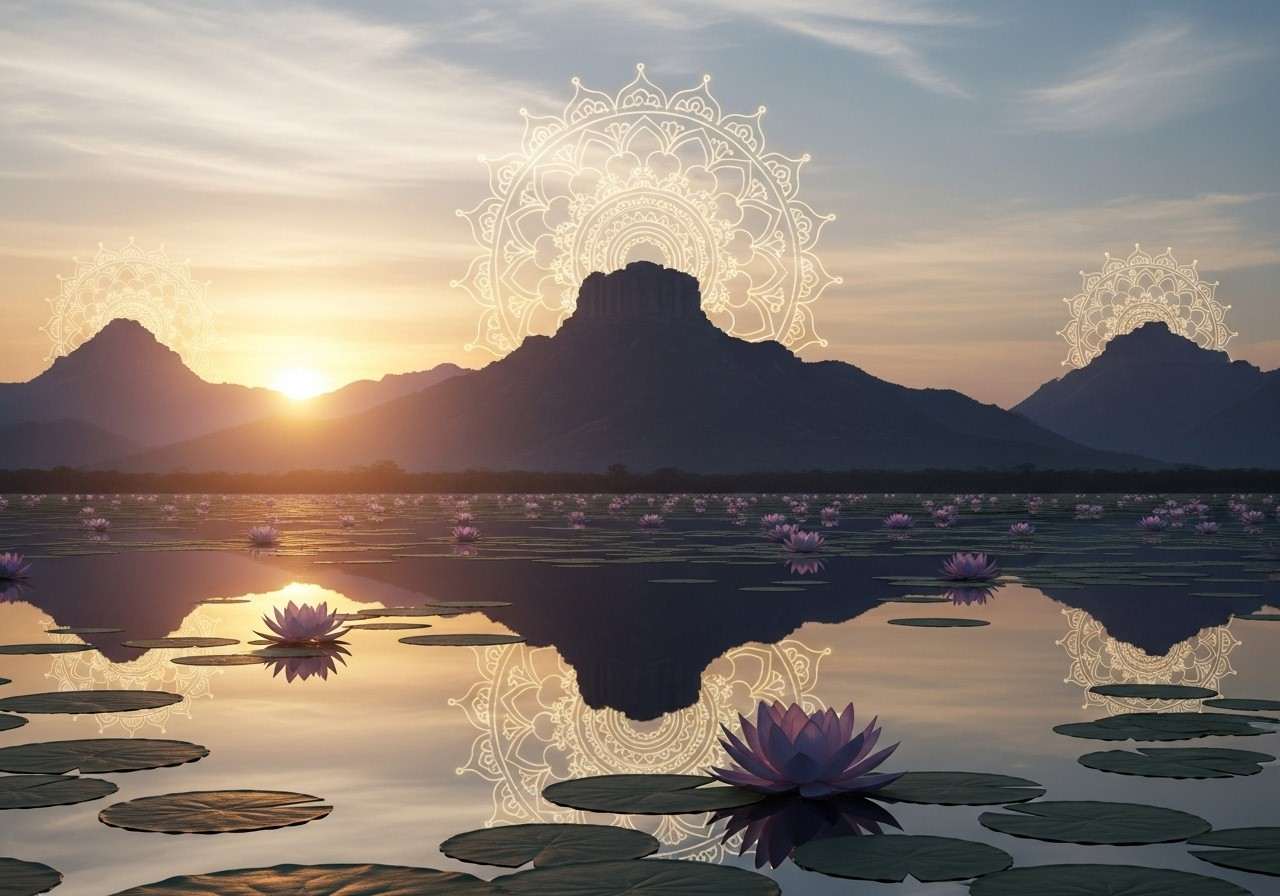
India is a land of profound natural wonders, and the grand Aravalli mountains stand as a timeless witness to our beloved country’s rich geological and religious history. Spanning an impressive length, this ancient rocky expanse is far more than just stones and valleys; it is a vital life force that beautifully shapes our regional environment, ecological balance, and deeply rooted devotional practices. Let us take a heartfelt journey into understanding how these majestic peaks nurture both our natural surroundings and our spiritual lives.
The Enduring Geography of India’s Oldest Peaks
Dating all the way back to the Pre-Cambrian era, approximately 670 million years ago, this mountain chain is proudly recognized as one of the oldest in the entire world. Stretching majestically for about 670 kilometers, the range begins its journey in Delhi, winds gracefully through the heartlands of Haryana and Rajasthan, and finally concludes its path in Gujarat. The absolute crowning glory of this terrain is Guru Shikhar, nestled peacefully in Mount Abu, touching the sky at a breathtaking elevation of 1,722 meters (5,650 ft). By standing tall across the northwestern landscape, these rocky hills act as a mighty natural fortress, profoundly impacting the way monsoon clouds travel and deliver life-giving rains to our farmlands.
Diverse Atmospheric Conditions Across the Region
Because the terrain covers such a vast distance, the atmospheric behavior along these slopes is beautifully varied. In the northern stretches around Delhi and Haryana, communities experience a humid subtropical and hot semi-arid climate. In this northern pocket, cities like Hisar face immense heat, with summer temperatures soaring between 40°C and 46°C, while winters turn incredibly crisp, dropping to a chilly 1.5°C to 4°C. As we move further into the central stretches of Rajasthan, the air becomes arid and intensely dry, demanding great resilience from the hardworking local farming families. Finally, the southern tips down in Gujarat welcome a much more forgiving, tropical wet and dry environment.
For those mindful of the current conditions, as of March 22-23, 2026, the weather across the hills is partly cloudy to clear, featuring very pleasant temperatures between 16°C and 26°C. Looking closely ahead, predictions suggest a comfortable range of 15°C to 30°C over the upcoming week. Beyond these daily forecasts, this geological marvel is a true guardian of North India’s overall climate. It serves as an essential barrier that actively prevents the harsh Thar desert from spreading eastward, while also shielding our fertile plains from dry, westerly winds sweeping in from Central Asia. During our sweltering summer heatwaves, the hills act as a natural soothing breeze, miraculously keeping nearby areas about 2°C to 3°C cooler than the rest of the open plains.
Sacred Footprints: The Divine Aura of the Hills
In our vibrant Indian culture, nature and the divine are inextricably linked. The rugged terrains of this region are dotted with numerous sacred spaces that draw thousands of seeking devotees. Mount Abu is home to the breathtaking Dilwara Jain Temples, an absolute masterpiece of devotion and architectural brilliance. Further along the range, the holy lake of Pushkar and the incredibly powerful, deeply revered Balaji temple in Mehndipur stand as supreme pillars of faith for countless families praying for well-being.
The spiritual energy reaches its pinnacle at Guru Shikhar, which affectionately derives its holy name from Lord Dattatreya, a revered divine incarnation of Sri Hari Vishnu. It is no wonder that the local people living in the surrounding valleys have nurtured sacred groves for centuries, protecting the forest out of sheer love and reverence for the divine presence in nature. These beautiful seasonal rituals and local folk traditions remind us that true environmental sustainability has always been an inherent part of the traditional Indian way of life.
Elevating Your Home Sanctuary with Authentic Cultural Offerings
The spiritual legacy of these ancient hills inspires many of us to deepen our own daily prayers. Please note that while we at Poojn do not offer travel packages, temple guidance, or VIP darshan bookings for your pilgrimages, we are deeply committed to bringing the sanctity of these holy traditions right into your home. We exclusively sell premium cultural goods through our online store, carefully curated to support your personal spiritual journey.
- Pure Incense Sticks for Deep Meditation: Enhance your daily dhyana and spiritual focus with our premium, hand-rolled agarbattis. The soothing and deeply traditional fragrances are specially crafted to recreate the serene, temple-like atmosphere of India’s most sacred sites right inside your living room, ensuring your prayers are always peaceful. Discover our authentic collection at .
- Premium Brass Diyas for Daily Aarti: Lighting a sacred lamp is the very heart of every Indian home’s morning and evening prayer routine. Our heavy, beautifully carved brass diyas invite warmth, peace, and divine blessings into your household, ensuring your dedicated puja space feels complete and spiritually radiant. Bring divine light into your home by visiting .
- Authentic Prayer Beads (Mala) for Japa: Chanting the holy names of our revered deities requires utmost focus, and our authentic malas are the perfect companions for your spiritual practices. Carefully strung to support your daily mantra japa, they gently help you maintain a deep, uninterrupted connection with the divine forces of the universe. Order yours today at .
- Cleansing Camphor Tablets for Positivity: The pure, vibrant flame and aromatic smoke of kapoor have been trusted for centuries to cleanse our homes of negative energies. Including our high-quality camphor in your daily aarti effectively purifies your living environment and leaves behind a deeply refreshing, positive vibration that comforts the whole family. Find pure camphor at https://www.poojn.in/camphor-tablets.
Cultural Resonance and Community Harmony
The unique semi-arid environment profoundly influences our local art, soulful folk music, and traditional literature, weaving a vibrant cultural tapestry that honors Mother Nature. Today, inspiring community-led conservation efforts and modern sustainable practices are successfully coming together to protect this fragile ecosystem. By embracing both ancient wisdom and eco-friendly initiatives, we ensure that the spiritual and environmental heritage of these magnificent mountains continues to bless future generations.
Frequently Asked Questions About the Region’s Environment and Spirituality
What are the general atmospheric conditions across this ancient mountain stretch?
The entire region experiences highly varied atmospheric patterns ranging from intense, hot summers to wonderfully mild winters, along with a deeply awaited, yet sometimes unpredictable, monsoon season. Because of its vast geographical spread, the southern parts enjoy a tropical feel, while the central stretches remain quite dry and arid throughout the year.
Why do these hills receive such limited rainfall during the monsoon months?
The primary reason for the scanty rainfall is the natural alignment of the hills themselves. Because the mountain structure runs parallel to the incoming seasonal monsoon winds, it unfortunately fails to trap significant moisture, allowing the rain-bearing clouds to pass over without pouring heavily over the local lands.
How does our spiritual heritage shape our understanding of the local environment?
In our rich traditional beliefs, every river, mountain, and forest is revered as an expression of the divine. The unique environmental patterns of this rocky expanse are often viewed through the lens of divine protection and harmony, inspiring local families to worship the natural forces and protect their precious surroundings with utmost devotion.
Are there specific cultural rituals performed to seek favorable weather?
Absolutely, the hardworking farming communities and respected local village elders regularly organize beautiful, heartfelt pujas and seasonal rituals to appease the deities of rain and nature. These age-old ceremonies are a humble and earnest request for timely showers, bountiful harvests, and the overall well-being and prosperity of their families.
In what ways do the seasonal changes impact the local wildlife and vegetation?
The predominantly dry and semi-arid environment has given rise to incredibly resilient flora and fauna. The native plants and animals of this region have naturally adapted over centuries to survive and even thrive on very limited water resources, beautifully showcasing the brilliant adaptability and resilience of Mother Nature.