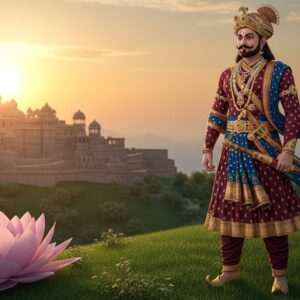


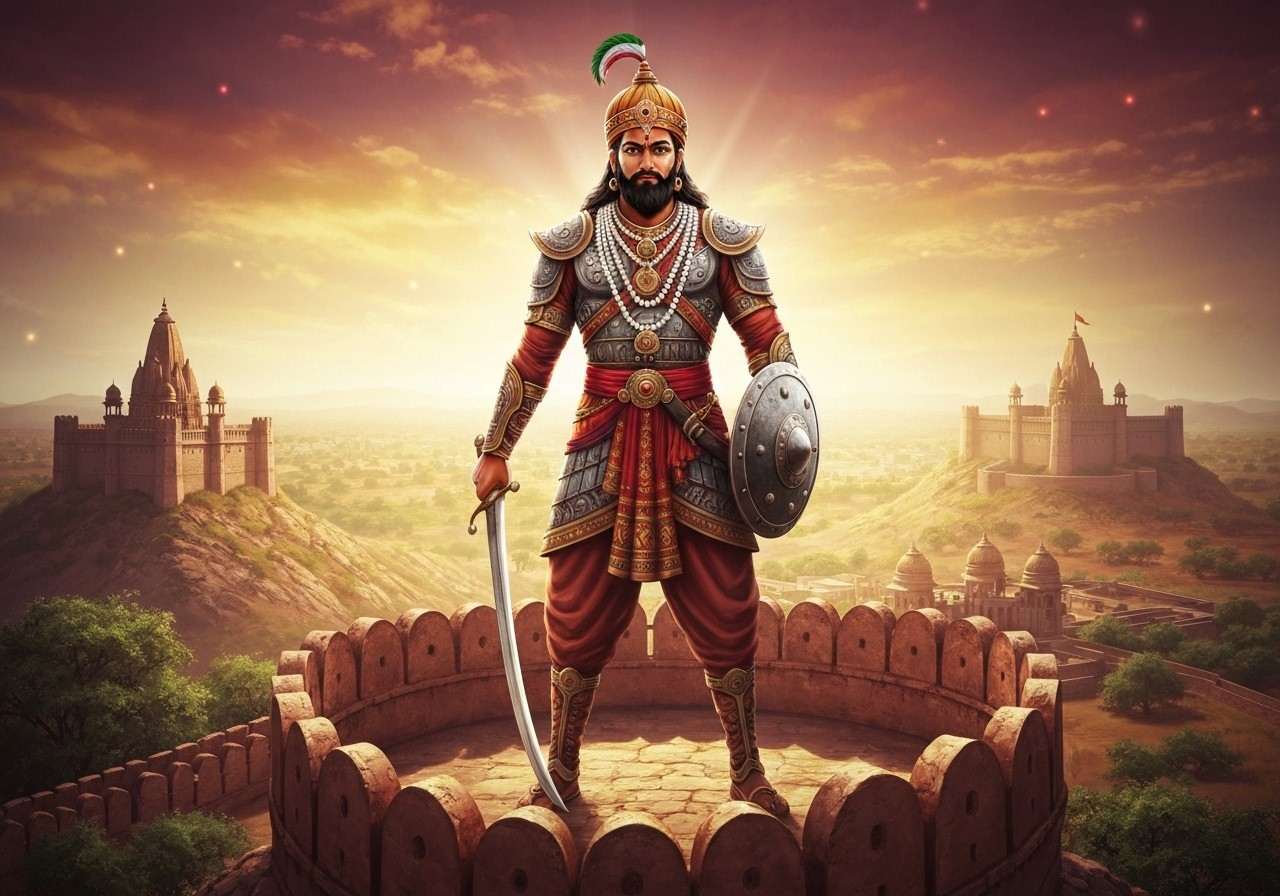
India is a sacred land where every ancient stone whispers tales of unimaginable valor, and our daily traditions carry the warm blessings of our ancestors. When we delve into the rich, vibrant tapestry of our glorious past, the name of Kalbhoja—affectionately and respectfully remembered in our folklore as the great Bappa Rawal—shines with an ethereal light. As the visionary pioneer of the Guhila lineage, his extraordinary life profoundly shaped the socio-political and spiritual landscapes of medieval India. His timeless legacy played a deeply vital role in preserving the beautiful cultural values that continue to resonate within our hearts and homes today.
The Humble Roots and Astounding Rise of a Visionary King
To truly appreciate the grandeur of this legendary monarch, we must journey back to his early days. Born around 712–713 CE in Anandapura, Rajasthan, he was initially given the name Kalbhoja. His childhood was marked by sudden tragedy and profound resilience. After his father, Nagaditya, and other male family members valiantly lost their lives in a fierce battle against the Bhils of Idar, the young boy was forced into hiding.
He found safe haven in the tranquil village of Nagda, where he was lovingly raised in disguise by a compassionate Brahmin woman. Spending his formative years simply caring for cows, his humble upbringing is deeply steeped in our local folklore, beautifully illustrating that true greatness often rises from the most modest beginnings.
Strategic Mastery and the Fierce Defense of the Motherland
The transformation from a humble cowherd to a formidable ruler is nothing short of deeply inspiring. It is widely celebrated that he formally established the Mewar Kingdom in 728 CE. Ruling gracefully from roughly 734 to 753 CE, his reign marked the dawn of a highly prosperous and secure era for the region.
- The Glorious Capture of Chittor Fort: Around 745 CE, his well-organized forces successfully seized the iconic Chittor Fort from the Mori rulers. This monumental military victory not only expanded his kingdom’s territory but also secured a crucial, impenetrable stronghold that would protect the region’s cultural sanctity for generations to come.
- Forging Powerful Regional Alliances: Understanding the immense value of unity, he formed strategic and deeply impactful alliances with neighboring regional powers, most notably the Pratihara king Nagabhata I. Together, they formed an unyielding shield against the Arab incursions advancing from Sindh into Rajasthan during the 730s and 740s CE.
- Halting Foreign Expansion: By fiercely resisting these early invasions, his visionary leadership was highly instrumental in stopping the Umayyad expansion from crossing the mighty Indus River. This heroic defense successfully safeguarded India’s northwest frontier, ensuring that our ancestral traditions remained untouched and flourished beautifully.
Spiritual Devotion and Cultural Enrichment
Beyond his breathtaking military triumphs, what truly endears this Rajput icon to our modern generation is his unwavering devotion to the divine. He was not just a warrior; he was a deeply spiritual soul who placed faith at the center of his governance.
In 734 CE, he lovingly commissioned the construction of the magnificent Eklingji Shiva temple near present-day Udaipur. In a profoundly humbling act of devotion, he officially declared Lord Eklingji (Shiva) as the true, supreme ruler of Mewar. By stepping down to serve merely as a divine regent—a humble servant to the Lord—he established a beautiful tradition of spiritual surrender that continued throughout the dynasty’s history. Furthermore, he thoughtfully issued exquisite gold coins adorned with sacred Shaivite symbols, beautifully cementing his deep cultural and religious impact on the region.
Embracing Our Sacred Heritage with Poojn
The enduring spiritual dedication shown by the founders of Mewar reminds us of the profound peace that comes from keeping our own daily traditions alive. Just as the great kings of the past sought divine blessings to protect and prosper their lands, we too seek that same sacred energy for our families today.
At Poojn, we deeply understand the emotional importance of preserving and beautifully celebrating such rich traditions in our modern, everyday lives. Our online store proudly offers a meticulously curated range of authentic, high-quality ritual items, absolutely perfect for those who wish to honor the cultural essence of India’s glorious eras right in their own puja rooms. Whether you are lovingly preparing for your daily prayers and need traditional puja items, or you are seeking meaningful decorative pieces that reflect the sheer grandeur of our ancient heritage, we have thoughtfully brought everything together for you.
You can easily browse and purchase these genuine cultural goods directly from our platform at https://www.poojn.in/, ensuring you have the purest items to connect with our shared legacy. We are always here to help you on your spiritual journey. For any queries or warm assistance regarding our cultural goods, please feel free to contact us at 03369029784 or reach out via WhatsApp at 9476142738. Embrace your beloved traditions with absolute convenience and trust by shopping at Poojn!
The Enduring Inspiration of Mewar’s First Major Ruler
The vast empire he built was carefully designed with effective governance structures that ensured the smooth, efficient administration of his people. Economic prosperity naturally thrived through well-established trade networks, generously contributing to the incredible longevity of his kingdom. Today, the legacy of his reign is permanently etched into the very soul of Rajasthan’s cultural identity.
- A Lasting Global Influence: The remarkable influence of his reign reached far beyond the borders of Rajasthan. In fact, historical traditions suggest that the bustling city of Rawalpindi in present-day Pakistan was respectfully named after him, serving as a lasting testament to his widespread fame and strategic regional importance.
- Inspiring Modern Indian Society: The core values of his era—courage, deep-rooted faith, and protective leadership—remain highly relevant in contemporary India. His governance principles continually inspire modern strategic thinking, while the diaspora holds onto his memory to foster immense cultural pride worldwide.
- Historical Debates and Reverence: While modern historians sometimes engage in debates regarding his exact identification—often linking him with Kalabhoja, or occasionally his son Khumana—his status as a revered cultural icon remains absolutely undisputed. Festivals, folk songs, and architectural marvels continue to celebrate his monumental contributions to our civilization.
Frequently Asked Questions About the Guhila Dynasty’s Founder
Who exactly was this legendary monarch of Mewar?
He was a highly revered and iconic king of the Mewar region in Rajasthan, celebrated across generations for his monumental role in founding the illustrious Guhila lineage and protecting our sacred lands.
What is the deeper significance of his dynasty?
The kingdom he established played a tremendously crucial role in Indian history. By fiercely resisting foreign invasions, the dynasty successfully maintained regional sovereignty and acted as a powerful guardian of indigenous Indian traditions and spiritual practices.
How did he manage to expand his early empire?
He masterfully expanded his empire through a combination of highly strategic alliances—such as teaming up with the Pratihara kings—and decisive, courageous warfare, which permanently secured the Mewar region and its neighboring areas.
What are considered his most important achievements?
His key achievements include the formal founding of a centuries-long dynasty, the glorious capture and fortification of Chittor Fort around 745 CE, halting Arab incursions, and building the profoundly sacred Eklingji Shiva temple.
Why does his historical legacy remain so important to us today?
His legacy is immensely important today because it beautifully symbolizes the unwavering defense of our homeland, the deep preservation of our cultural heritage, and the historical resilience of the Rajasthani people. He serves as a timeless reminder of the incredible strength found in unity and faith.
Are there specific monuments we can still visit today?
Yes, there are several breathtaking monuments and sites in Rajasthan associated with his magnificent reign. The most prominent is the revered Eklingji temple near Udaipur, which continues to attract countless devotees and cultural tourists who seek to experience the spiritual grace of his era.
How did his reign impact our cultural practices?
The cultural impact of his era is truly immeasurable. It includes massive contributions to temple architecture, traditional art forms, and the strict preservation of daily rituals that continue to bring immense peace and joy to modern Indian families.