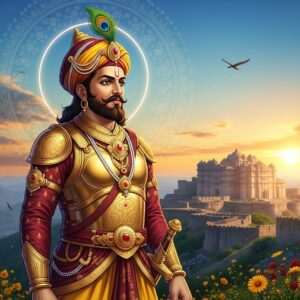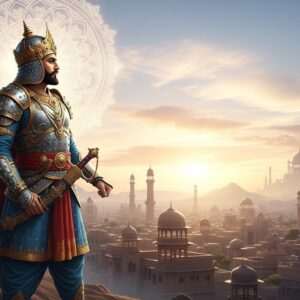


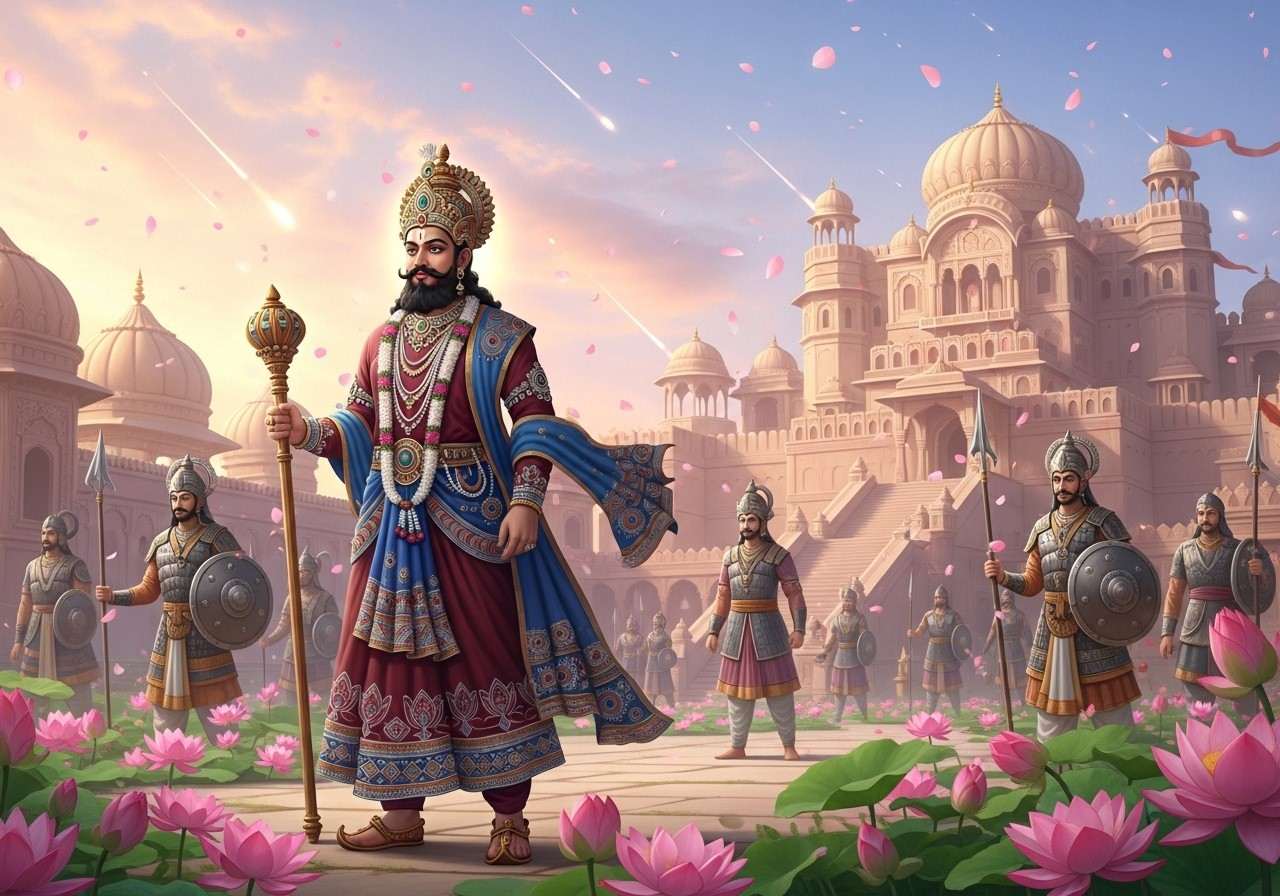
Exploring the magnificent tapestry of our ancestral past is a deeply moving experience. When we look back at our roots, especially during the revered Vedic and epic periods between circa 1500–500 BCE, we find extraordinary tales of dharma, duty, and devotion. One such fascinating chapter belongs to the Ushinara people. Known for their pivotal role in our sacred epics, this historic domain offers profound life lessons that have been lovingly passed down through generations. Let us take a heartfelt walk through its rich origins, vibrant societal structures, and the unforgettable legends that still echo in our parampara today.
The Sacred Origins and Historic Footprint
This ancient realm held a place of pride in the northwestern part of our country, primarily rooted in the lush Punjab region. Deeply intertwined with the glorious Aryan expansion, these lands were a focal point of ancient civilization. According to our Puranic genealogies, the people of this land belonged to the Anava branch of the esteemed Aila (Lunar) dynasty.
The lineage itself is a beautiful story of continuity. Tracing its roots back to the legendary King Yayati and his son Anu, the royal family tree flourished through generations of righteous rulers—from Sabhanara and Kalanara to Srijjaya—eventually culminating in the great ancestor, Ushinara. The territories under their care were vast, encompassing eastern Punjab and extending westward to touch affiliated sub-kingdoms like Sivi, Sauvira, and Kekaya. Over time, as our ancestors migrated from the mid-Himalayan belts into the fertile Indo-Gangetic plains, these Chandravanshi Kshatriyas established cultural hubs, with Sivapura blossoming into a magnificent center of political and spiritual life.
Timeless Legends of Sacrifice and Divine Grace
Our grandmothers and grandfathers have often shared stories of selfless kings who put dharma above all else. The legendary tales surrounding Emperor Ushinara are the very epitome of such moral teachings. In a beautiful narrative from our scriptures, we learn how the Devas themselves tested the Emperor’s unwavering generosity. While performing a sacred yajna, Indra took the guise of a fierce eagle, and Agni transformed into a trembling dove.
Seeking refuge, the dove found shelter in the Emperor’s lap. Refusing to abandon a soul seeking sanctuary, the noble king offered his own flesh to the eagle to save the little bird. Deeply moved by this supreme act of sacrifice and devotion, Lord Indra and Lord Agni revealed their true forms, blessing him abundantly and elevating him to the heavens. Such tales remind us of the boundless compassion that lies at the core of our spiritual heritage.
The legacy of this great king was carried forward by his four illustrious sons: Sibi, Vara, Krimi, and Daksha, who expanded their cultural influence far and wide. The historical texts mention many glorious acts, from gifting 200 horses to Galava for a noble cause, to conducting a majestic yajna on the banks of the Vitasta river. It is also said he attained Swargaloka by generously donating cows, a practice we still consider highly auspicious today. Interestingly, their valor wasn’t just limited to peace; during the great Kurukshetra War in the Mahabharata, the brave warriors from this region stood firmly on the side of the Kauravas. The reverence for these kings even transcended traditions, with Buddhist legends mentioning a King Usinara of Benares during the era of Kassapa Buddha.
A Vibrant Cultural and Social Tapestry
Life in this ancient kingdom was a beautiful blend of spiritual devotion and organized social harmony. The society honored a distinct cultural structure governed by the Chandravanshi Kshatriyas, who maintained deep alliances with neighboring tribes like the Madras and Kekayas. Their profound contributions to early religious practices, philosophy, and art paint the picture of a vibrant, spiritually awakened community.
This constant interaction with diverse communities fostered an incredibly rich cultural exchange. Even today, the remnants of their deeply held values—respect for nature, unwavering hospitality, and spiritual dedication—can be gently felt in our modern Indian traditions and daily rituals.
Embracing Our Heritage with Poojn.in
Reading about the devotion and spiritual dedication of our ancestors often inspires us to create a serene, spiritually uplifting environment in our own modern homes. Setting up a beautiful puja space connects us directly to these timeless traditions. As India’s largest online store for authentic cultural goods, we are here to support your spiritual journey with the utmost reverence. Please note that we are exclusively a retail platform for cultural items and do not offer travel arrangements or VIP temple darshan services. We humbly focus on bringing the sanctity of traditional rituals straight to your doorstep.
Carefully Curated Offerings for Your Home
- Exquisite Brass Idols: Discover our carefully curated collection of traditional brass idols that beautifully represent the revered deities worshipped since the Vedic periods. Bringing these sacred murtis into your home altar not only elevates your spiritual space but also serves as a beautiful reminder of our ancient Indian heritage and devotion.
- Complete Puja Kits: Our comprehensively designed puja kits include every essential item you need to perform authentic rituals with absolute purity and peace of mind. Inspired by the meticulous practices of ancient times, these sets ensure that your daily prayers and festive ceremonies are conducted effortlessly and flawlessly.
- Aromatic Incense and Dhoop: Elevate the energy of your living spaces with our premium range of natural incense and dhoop, specially crafted from authentic herbs and resins. Lighting these daily will instantly transform your home into a tranquil sanctuary, replicating the deeply calming and divine atmosphere of our most ancient and sacred temples.
By bringing home these authentic goods, you are preserving our beautiful Sanatan traditions. For any guidance on finding the perfect items for your rituals, please feel free to browse our complete collection at Poojn.in, or simply reach out to our warm and helpful team at 03369029784 or via WhatsApp at 9476142738.
Exploring Common Curiosities About Our Ancestral Past
What exactly was this ancient realm?
It was a prominent and highly respected ancient Indian state nestled in the northwestern regions, known today as the Punjab. Historical texts and our sacred Puranas celebrate this domain for its deeply rooted culture, valiant warriors, and pivotal role in shaping our epic mythologies.
Where was this historical territory located?
The territories were situated in the northern part of ancient India. They originally encompassed the eastern Punjab region and stretched westward, sharing borders with and influencing sub-kingdoms like Sivi, Sauvira, and Kekaya during the Vedic era.
Who were the prominent figures of this dynasty?
The lineage belonged to the Anava branch of the Lunar dynasty. It was graced by noble ancestors starting from Yayati and Anu, leading down to Emperor Ushinara and his celebrated son, King Sibi. These rulers are eternally revered in our culture for their extraordinary wisdom, righteous governance, and supreme acts of charity.
Why do these stories hold such importance in our mythology?
These historical accounts feature prominently across various epics and scriptures because they serve as the ultimate guide to dharma. They beautifully showcase the core values, sacrifices, and ethical traditions that formed the bedrock of ancient Indian society, teaching us how to live a life of truth and compassion.
What are the most beloved tales from this era?
The most heart-touching story is that of the Emperor offering his own flesh to an eagle to protect a defenseless dove, successfully passing the divine test of Indra and Agni. Similar stories of selfless charity, such as donating cows for spiritual merit and providing horses for noble causes, reflect the highest virtues admired in our culture.
How does this legacy continue to inspire us today?
The timeless values of bravery, hospitality, and unshakeable generosity preserved through oral traditions and folklore continue to shape our modern mindset. By remembering these legends, we keep our ancient roots alive, inspiring our current and future generations to live with empathy, honor, and deep respect for our parampara.