


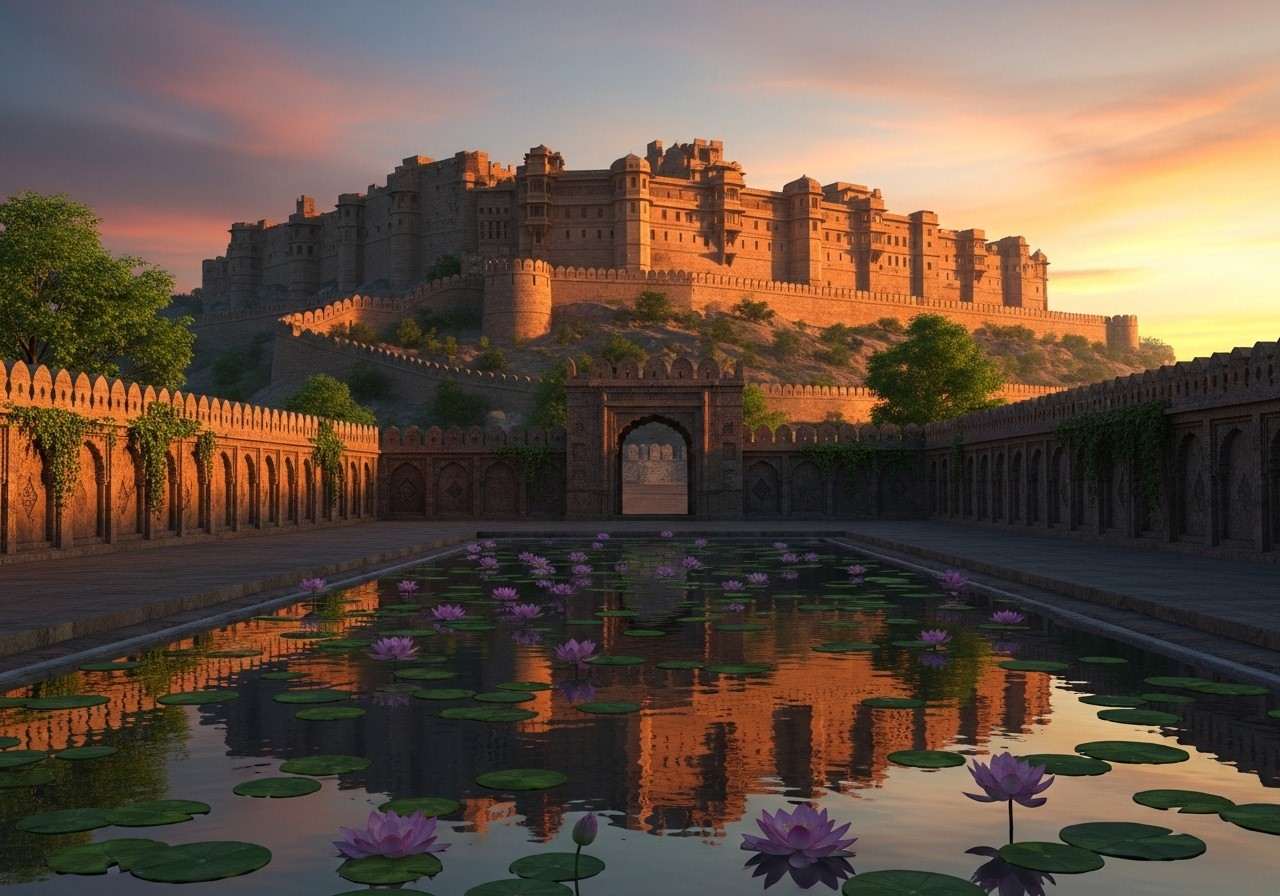
Rising proudly against the vast Rajasthani sky, the ancient stronghold of Swarnagiri, also lovingly known as Sonalgarh, serves as a profound reminder of our ancestors’ unwavering spirit. Nestled securely on a 336-meter high granite hill, this majestic fortress is not just a collection of stone and mortar, but a vibrant tapestry of our rich cultural history. Built with immense dedication between the 8th and 10th centuries, it beautifully captures the essence of medieval India, inviting history lovers and culturally rooted families to connect with a glorious past where warriors fiercely defended their motherland.
The Deep-Rooted Origins of the Golden Citadel
The story of this remarkable monument begins centuries ago, in an era of great kings and grand visions. Originally known as Jabalipura, a name inspired by a highly revered local sage, the foundations of the citadel were laid by the brilliant Paramara Rajputs. By strategically placing their stronghold high up on the rocky outcrop, they masterfully utilized the natural landscape to shield their people from foreign invasions. As time progressed, the walls of the fortress witnessed countless pivotal moments, evolving into a highly significant political and cultural center that shaped the destiny of the entire region.
The Visionaries Behind the Formidable Walls
The Paramara dynasty, widely celebrated for their profound architectural wisdom, were the original masterminds behind this engineering marvel. Their visionary approach prioritized the safety of the kingdom, leading to the creation of incredibly thick defensive walls and cleverly positioned bastions. In the year 1181, a new chapter unfolded when Kirtipala, the courageous youngest son of Alhana from Nadol, captured the stronghold. He successfully established the esteemed local lineage of Chauhans, proudly adopting the name ‘Songara’ for his clan, which further added to the martial glory of the estate.
A Timeline of Courage, Conquest, and Resilience
While the exact year of the initial foundation remains an intriguing mystery, historical records clearly indicate that the primary construction occurred between the 8th and 10th centuries. The stronghold’s timeline is marked by epic tales of bravery and inevitable shifts in power. One of the most defining historical events took place in 1311, when the Sultan of Delhi, Alauddin Khalji, fiercely conquered the hill during the reign of the valiant King Kanhadadeva, effectively bringing an end to the Chahamana dynasty. In the following centuries, the Rathores of Ratlam took over the reins, and it remained a cherished part of the Jodhpur State until its proud integration into modern, independent India.
The Natural Brilliance of the Granite Hill
The sheer geographical positioning of the golden mountain is nothing short of a strategic masterpiece. The towering granite hill provided an unparalleled natural defense system that left invading armies entirely bewildered. Designed with four massive entry gates, the ingenious layout allowed actual access through only one specific side, while leaving the other three sides naturally inaccessible and impossibly steep. This brilliant integration of nature and architecture made the complex virtually impregnable, serving as a lasting symbol of Rajput intellect and survival instincts.
Spiritual and Architectural Marvels Within the Fortress
Stepping inside the grand courtyards feels like walking into a deeply spiritual sanctuary where multiple faiths have blossomed side by side. The incredible artisanship of the bygone era is perfectly preserved in its sacred structures:
- Sacred Hindu Shrines that echo with ancient mantras: The grounds are home to a highly revered old Shiva temple originally constructed by Kanhaddev, which received loving restorations by Mah Singh of Jodhpur and was gracefully renovated again in 2005. Visitors can also find immense peace at the magnificent triple temple complex exclusively dedicated to the divine energies of Goddess Amba Mata, Ashapuri, and Lord Hanuman, offering a serene atmosphere for heartfelt prayers.
- Revered Jain Temples showcasing incredible devotion: Serving as a major spiritual pilgrimage site for the Jain community, the complex houses breathtaking temples dedicated to Lord Adinath, Lord Mahavira, Parshvnath, and Shantinath. Among these beautifully carved sanctuaries, the sacred Adinath temple stands as the most ancient architectural wonder, with its historic foundations dating all the way back to the 8th century, drawing devotees from all over the country.
- Historic Islamic Architecture reflecting cultural harmony: Showcasing the beautiful blending of diverse artistic traditions, the area proudly features a beautifully preserved mosque famously known as the Killa Masjid. This architectural gem perfectly highlights the intricate and elegant Gujarati design style that was prominent during the 16th century, representing an era of incredible artistic evolution.
Embrace Your Ancestral Roots with Authentic Ritual Offerings
The profound spiritual energy radiating from the ancient Shiva and Jain temples of Rajasthan reminds us of the importance of keeping our daily traditions alive. To help you recreate this deeply divine aura in your own home, we offer a meticulously curated collection of cultural goods and authentic puja items. Please note that we do not offer travel packages, guided tours, or VIP temple darshans; our sole dedication is to empower your personal spiritual journey through the finest quality religious artifacts.
Whether you are performing a simple morning aarti or hosting a grand family havan, our traditional items ensure absolute purity and cultural authenticity. Discover our exclusive range of spiritual essentials today by visiting our online store at https://www.poojn.in. Should you need any assistance in selecting the perfect items for your rituals, please feel free to call us at 03369029784 or send a warm WhatsApp message to 9476142738. Let us help you celebrate the glorious heritage of India right from the comfort of your prayer room.
Safeguarding Our Grand Cultural Legacy
Today, this imposing citadel continues to stand as a proud guardian of Rajasthan’s spectacular heritage. The ongoing preservation efforts by passionate local authorities and heritage enthusiasts aim to protect the structural integrity of these ancient stones from the harsh tests of time. By supporting ethical tourism and simply taking the time to learn about these magnificent historical sites, our generation can ensure that the glorious tales of the Songara Chauhans and the sacred chants of the ancient temples are safely passed down to our children and grandchildren.
Conclusion: The Enduring Spirit of the Golden Peak
A journey through the legends of Sonalgarh is truly a heartwarming experience that stirs a deep sense of national pride within us. From the strategic brilliance of its single accessible gateway to the peaceful coexistence of its ancient temples and mosques, the site is a miniature representation of India’s diverse and resilient soul. As we look upon these towering granite walls, we are beautifully reminded that while empires may rise and fall, the deep-rooted cultural values and spiritual devotion of our ancestors will forever remain unshaken.
Frequently Asked Questions About the Historic Hill Fort
What makes the geographical location of this ancient stronghold so highly strategic?
Positioned on a towering 336-meter high granite hill, the natural elevation provided an incredibly powerful defense against surprise enemy attacks. Because three sides of the hill are naturally steep and inaccessible, the architects only needed to focus their defensive strength on a single accessible pathway, making it an exceptionally secure location.
Who were the original builders responsible for laying the foundation of this massive structure?
The initial foundations and fortifications were skillfully constructed by the visionary rulers of the Paramara dynasty between the 8th and 10th centuries. Later on, it was captured and significantly expanded by the Chauhan dynasty, specifically the Songara clan, who added their own architectural brilliance to the complex.
Can you explain the historical significance of the year 1311 for this region?
The year 1311 marks a deeply tragic yet heroic chapter in local history, as it was the time when Alauddin Khalji, the powerful Sultan of Delhi, successfully breached the walls. This fierce conquest occurred during the reign of the brave ruler Kanhadadeva, which unfortunately brought an end to the prominent Chahamana dynasty in that area.
What kind of spiritual sanctuaries can visitors explore inside the fortress complex?
The interior grounds host a beautiful mix of sacred spaces, including an ancient 8th-century Jain temple dedicated to Lord Adinath, and an old Shiva temple built by Kanhaddev that was wonderfully renovated in 2005. Furthermore, visitors can admire the 16th-century Killa Masjid, which elegantly reflects the traditional Gujarati architectural style.
Why is the site considered an important pilgrimage destination for the Jain community?
The hill is deeply revered by Jain devotees because it securely houses several breathtaking ancient shrines dedicated to revered Tirthankaras, including Lord Mahavira, Parshvnath, and Shantinath. The oldest among these is the magnificent Adinath temple, which has been standing as a symbol of unwavering faith since the 8th century.