


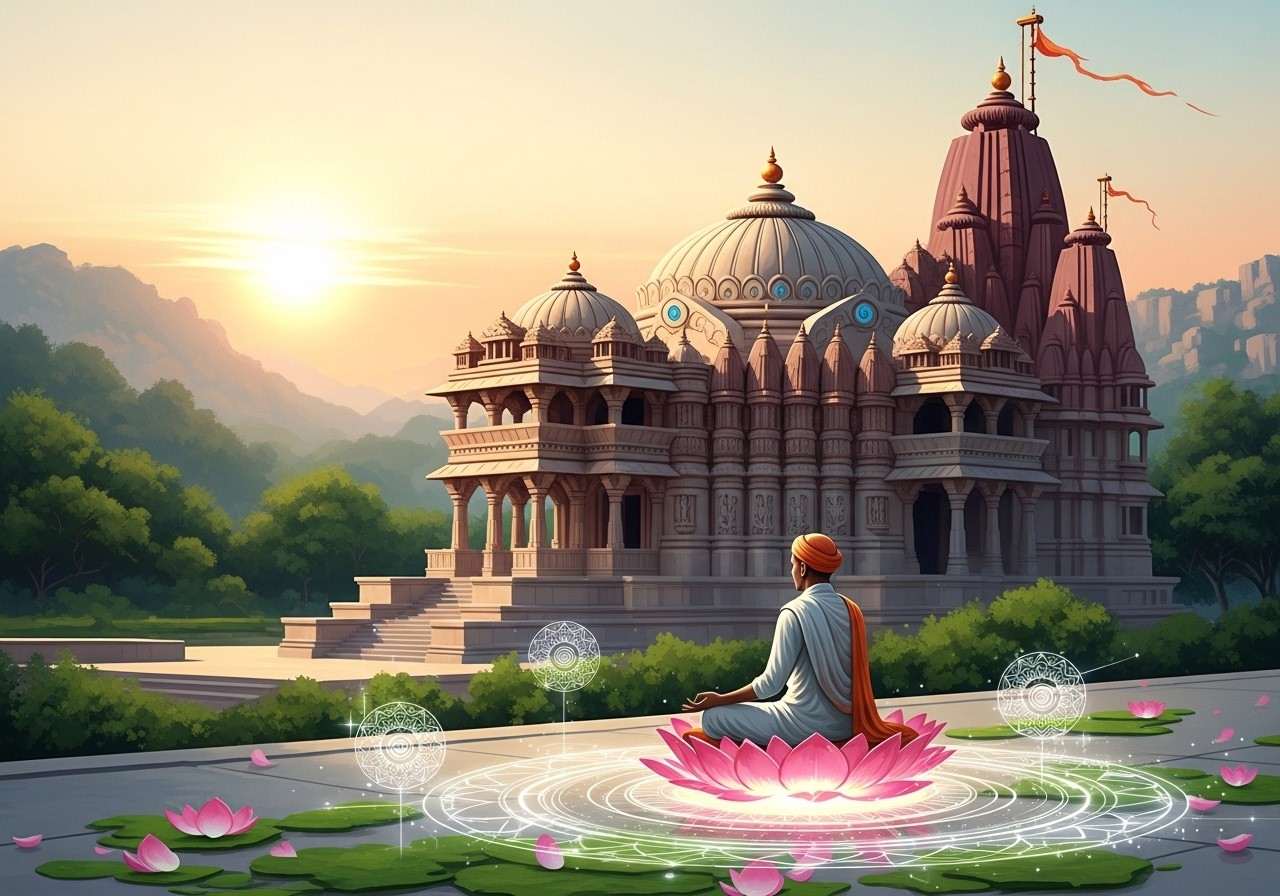
India’s spiritual landscape is incredibly vast, and few names resonate with as much profound historical and religious weight as “Pali.” For a culturally rooted Indian, this single word carries a beautifully rich duality. On one hand, it represents the sacred ancient language that meticulously preserved the timeless teachings of the Buddha. On the other hand, it points us to a deeply historic district in the vibrant state of Rajasthan, celebrated far and wide for its enduring Jain traditions. Whether you are seeking to understand the dawn of ancient religious philosophies or looking to deepen your own daily rituals, exploring this multifaceted heritage offers a deeply moving experience.
The Sacred Syllables: Pali as the Language of Theravada Buddhism
Long before modern religious boundaries were drawn, the Indian subcontinent was a melting pot of profound philosophical thought. The Pali language played an absolutely pivotal role in the spread and preservation of early spiritual wisdom, serving as the linguistic bedrock of Theravada Buddhism. It provided a framework for scholars and seekers to connect with divine truths.
- The Language of the Common People and Devotees: Pali is an ancient Indian language intimately tied to Theravada Buddhism. It is the revered language in which the Pali Canon—the standard and most complete collection of early Buddhist scriptures—is beautifully preserved for future generations.
- Ancient Origins and Linguistic Development: The linguistic roots of this sacred tongue trace back to the Indian subcontinent around the 6th century BCE, a remarkable era of religious transformation. Related to everyday Prakrit languages, it was spoken by the common people, making spiritual teachings highly accessible to everyone, unlike the strictly formal Sanskrit of the time.
- The Divine Preservation of the Buddha’s Teachings: According to enduring tradition, the Buddha shared his enlightened wisdom in Pali, which was orally transmitted with great devotion before being documented. These precious records offer an authentic glimpse into early eastern Indian philosophical thought and linguistic evolution.
- Ongoing Importance for Study and Devotional Practice: Even today, this ancient language remains absolutely essential for understanding the core of the Buddha’s teachings. It continues to provide a vital linguistic framework for sacred rituals, monastic education, and scholarly discussions across the globe.
- Historical Evolution and Cultural Influence: Flourishing from roughly 600 BC to 500 AD, Pali grew alongside the spread of early Buddhism. It evolved from a regional dialect into a highly respected language of religious instruction, shaping the spiritual education of countless generations.
The Eternal Footsteps: Tracing the Ancient Origins of Jain Heritage
Parallel to the rise of Buddhist thought, the Jain religious tradition was laying down principles that would echo through millennia. Jainism is one of India’s most ancient faiths, emphasizing supreme compassion and self-discipline. The legacy of this tradition is woven into the very fabric of our national identity.
- Deep-Rooted Ancient Origins: Jainism boasts historical roots stretching back thousands of years, with many respected scholars suggesting it may even predate mainstream Hinduism and Buddhism. Compelling evidence of early ascetic practices and non-violence can be traced all the way back to the Indus Valley Civilization (circa 3000–1500 BCE).
- The Guiding Core Principles of the Faith: The entire spiritual framework of Jainism revolves around absolute non-violence (ahimsa), unwavering truth (satya), and strict asceticism. Devotees follow the enlightened path laid out by twenty-four Tirthankaras, who serve as the ultimate spiritual teachers and guides.
- A Profound Historical Timeline: Following its prehistoric roots, the foundational principles were established by Rishabhanatha (circa 1500-500 BCE), the first Tirthankara. Later, Lord Mahavira (599-527 BCE), the 24th Tirthankara, solidified these teachings, permanently etching the values of non-violence into the Indian conscience.
- Royal Patronage and Expansive Spread: The philosophy of non-violence profoundly moved ancient royalty, leading to significant patronage from legendary figures like King Kharavela of Kalinga and Emperor Chandragupta Maurya, which helped the faith flourish across the vast Indian landscape.
- Contemporary Relevance in Modern Society: In today’s fast-paced world, Jainism continues to thrive both in India and globally. The community focuses heavily on education, humanitarian efforts, and ecological conservation, perfectly aligning their ancient principles of non-violence with modern environmental challenges.
Pali District: A Historical and Architectural Tapestry in Rajasthan
Moving from the realm of language to geography, the Pali district in Rajasthan stands as a living testament to these ancient values. Transforming from a bustling, significant ancient trade route into a modern cultural hub, this region has been nurtured by various influential dynasties, including the Mauryas, Guptas, and valiant Rajputs. This continuous cultural exchange has woven a rich, vibrant tapestry that honors its deep spiritual lineage.
Jain scholars and revered teachers found a welcoming home in this region, greatly influencing the local religious thought. The integration of compassionate Jain principles into the daily lives and local customs of the district is beautifully evident even today. The architectural marvels left behind are simply breathtaking.
- Experiencing Unmatched Temple Brilliance: The historic temples in this region are world-renowned for their architectural brilliance and deep spiritual aura. The iconic Ranakpur Jain Temple, for instance, is famous globally for its astonishingly intricate marble carvings and divine symmetry.
- Centers of Cultural Importance and Learning: Beyond their physical beauty, these sacred spaces have continuously served as vibrant centers of pilgrimage and traditional learning. They are places where generations have gathered to study ancient texts and practice meditation.
- Fascinating Stories and Local Legends: Every single pillar and dome in these monuments has its own unique tale. The rich legends surrounding their construction deeply enrich their spiritual significance, making every visit a deeply moving historical journey.
Nurturing Your Devotion at Home with Poojn.in
While the historic temples of Rajasthan offer immense inspiration, we believe that true, unwavering devotion begins in the absolute sanctity of your own home. Please note that while we do not provide travel packages, temple guidance, or VIP darshan services, we are deeply committed to bringing the essence of these sacred traditions directly to your doorstep. At Poojn.in, we take immense pride in being India’s biggest cultural goods and services store, dedicated to enhancing your personal spiritual journey with authentic, high-quality items.
If you are inspired by the profound values of truth and non-violence, maintaining your daily rituals should be a seamless, peaceful experience. Our expansive online store offers everything you need to recreate a divine atmosphere in your personal puja room.
- Authentic Jain Puja Thali Sets: We offer beautifully crafted, complete Jain Puja Thali sets that include every essential item required for performing your daily rituals with the utmost respect and traditional accuracy.
- Pure and Natural Incense Sticks: Elevate your meditation and prayer sessions with our premium natural incense sticks, thoughtfully crafted from pure, ethically sourced ingredients to spiritually purify your home environment.
- Sacred Texts and Holy Books: Deepen your understanding of ancient philosophy and the enlightened teachings of the Tirthankaras through our curated collection of sacred holy books, perfect for daily reading and reflection.
We deeply understand the value of modern convenience paired with traditional authenticity. Navigating our online catalog is effortless, allowing you to comfortably secure your cultural necessities from home. With reliable, nationwide delivery across India, your sacred items will reach you safely and promptly. Should you need any assistance in selecting the perfect ritual items, please feel warmly invited to contact our dedicated team at 03369029784 or simply WhatsApp us at 9476142738. Experience the profound spiritual richness of our ancient heritage with genuine, trusted products from Poojn.in.
Frequently Asked Questions About Our Spiritual Heritage
Many devotees and history enthusiasts often wonder about the historical significance of the Pali region. The district holds immense historical weight because it served as a major, bustling trade center during ancient times, witnessing significant cultural exchanges that ultimately shaped its enduring spiritual journey.
People also frequently inquire why this specific district is so crucial to Jain heritage. The area is of paramount importance because it is home to numerous ancient temples that serve not only as architectural wonders but also as deeply revered centers for teaching and practicing compassion and asceticism.
Those interested in architecture often want to know about the most famous shrines in the area. Among the most celebrated architectural marvels is the breathtaking Ranakpur Jain Temple, internationally renowned for its meticulously carved marble pillars, alongside the highly revered Temple of Shri Parshvanath, which draws countless devoted pilgrims annually.
Curiosity also naturally extends to the age and architectural features of these magnificent structures. These monumental shrines date back several centuries, mostly constructed during the medieval period. They are widely characterized by their absolute symmetry, divine precision, and the masterful use of pristine white marble, adorned with detailed sculptures and beautiful domes.
For those looking to immerse themselves in local traditions, questions about special events are very common. Vibrant festivals like Mahavir Jayanti and Paryushan are celebrated with immense devotion and enthusiasm, drawing entire communities together to participate in deeply moving rituals and soak in the spiritually charged atmosphere.
Finally, a common consideration is the best time to experience this regional heritage. The ideal time to explore the area’s historical roots is during the pleasant winter months, from October to March, when the weather is perfectly suited for fully participating in vibrant local festivities and admiring the ancient craftsmanship.