


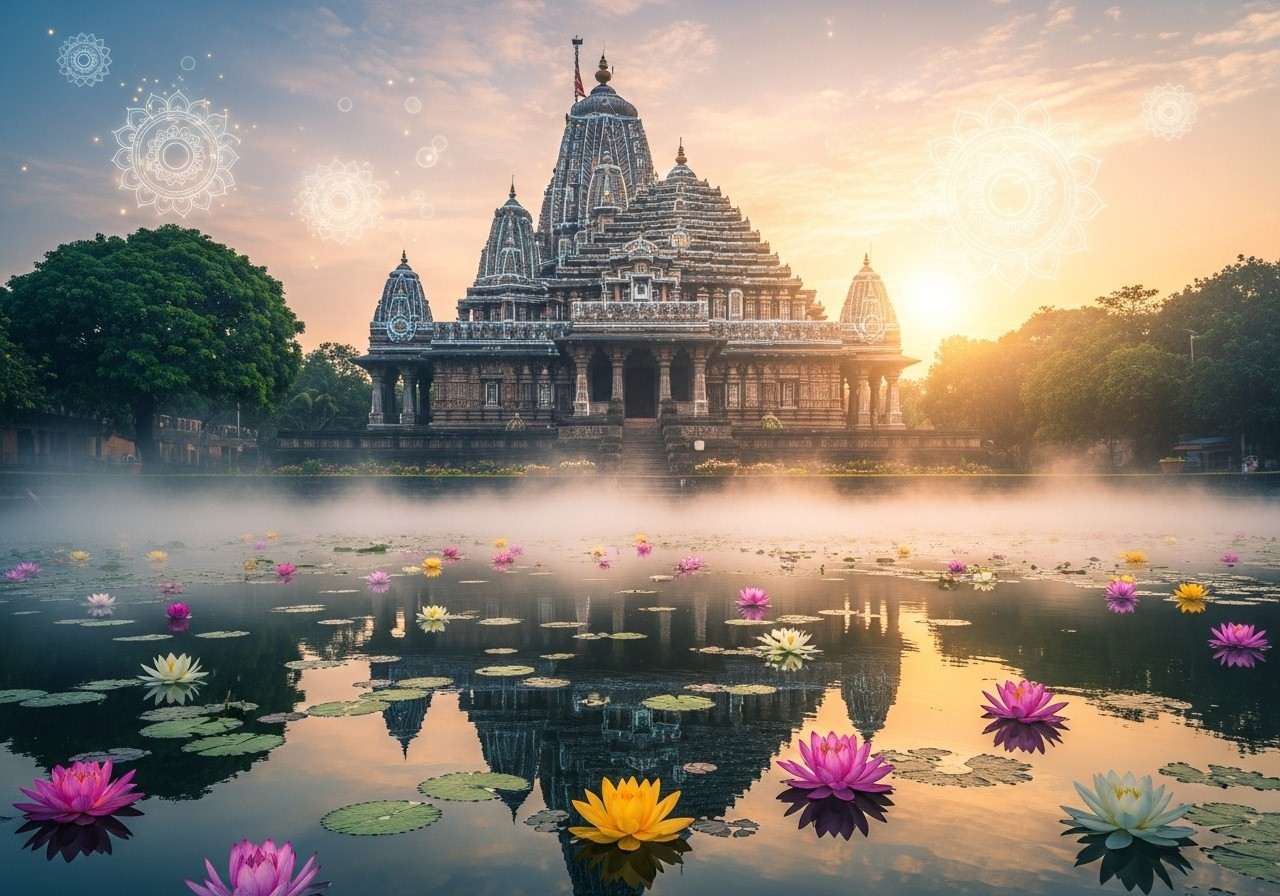
For generations, Indian families have passed down beautiful tales of faith, devotion, and divine miracles. Among the most revered spiritual destinations in our country is the Mahalaxmi Temple in Kolhapur, affectionately called the Ambabai Temple. Stepping into this sacred space feels like walking into the welcoming embrace of the Divine Mother herself. Whether you are planning a spiritual journey or simply wishing to deepen your knowledge of our rich heritage, the story of this ancient shrine is bound to leave you mesmerized.
The Ancient Roots and Majestic Architecture
Our ancestors built marvels that continue to stand the test of time, and this temple is a shining example. The origins of the temple are estimated to be between 1700 to 1800 years old, with early historical mentions dating all the way back to 871 BC. It is widely believed that King Karnadeva of the Chalukya dynasty initiated the construction of the primary structure around 634 CE. Over the centuries, the sacred complex saw loving expansions by various royal families, including the Shilahar, Sind, and Yadav dynasties, each adding their unique architectural brilliance.
The temple has also seen its share of trials. During the turbulent Islamic invasions in the 14th century, the sacred idol was carefully hidden away by devoted priests to protect it from harm. It wasn’t until 1715 that Chatrapati Sambhaji Maharaj proudly re-established the deity in her rightful place. Following this, the great Maratha rulers, notably Chhatrapati Shivaji Maharaj and Maharani Tarabai, poured their devotion into the temple’s upkeep, initiating grand festivals and structural renovations that we still admire today.
The Captivating Gemstone Idol of Goddess Ambabai
At the heart of the temple rests the breathtaking idol of Goddess Mahalaxmi. Unlike many other murtis, this divine figure is intricately carved from a precious black gemstone. Weighing approximately 40 kg and standing around 3 feet tall, the idol is a masterpiece of ancient craftsmanship that some legends claim is over 7000 years old.
The four-handed Goddess stands graciously, holding a Matulinga (a citrus fruit), a mace, a shield, and a Panapatra (a traditional drinking bowl). Worshippers are often captivated by her crown, which features a majestic five-headed snake. The sheer spiritual aura radiating from the Ambabai idol fills devotees with an overwhelming sense of peace and motherly protection.
Spiritual Significance: A Revered Shakti Peetha
Kolhapur holds an incredibly special place in Sanatana Dharma. It is worshipped as one of the three and a half Shakti Peethas in Maharashtra. According to sacred texts, this is the exact holy ground where the eyes of Goddess Sati fell. For anyone walking the path of spirituality, visiting this spiritually potent destination is an essential milestone for receiving the Divine Mother’s boundless grace.
Beyond this, there is a profound connection between this shrine and the Tirumala Venkateswara Temple. Traditional beliefs dictate that to achieve moksha (salvation), a pilgrim must complete a sacred triangle by visiting the Balaji Temple in Tirupati, the Mahalakshmi Temple in Kolhapur, and the Padmavathi Temple. Lore tells us that after a legendary disagreement involving Lord Vishnu and Sage Bhrigu, Goddess Lakshmi lovingly chose Kolhapur as her earthly abode.
Enduring Mysteries and Architectural Marvels
The temple is not just a place of prayer; it is a treasure trove of historical secrets and cosmic alignments. Nestled secretly within the central dome is a hidden Shiva shrine. Though not visible to regular visitors, scholars explain that this signifies the beautiful harmony between Shaivism and Shaktism, perfectly balancing the universe’s masculine and feminine energies.
Adding to its historical richness, a monumental discovery was made just recently in 2022 during renovation work: a 12th-century Sanskrit inscription. This ancient stone record featured Gadagali, a unique style of spiritual proverbs and poetic expressions, offering us a rare glimpse into the intellectual and spiritual lives of our ancestors.
Perhaps the most awe-inspiring phenomenon is the Kirnotsav festival. During specific days of the year, the temple’s brilliant architectural design allows the setting sun’s rays to travel through the temple corridors and fall directly upon the divine idol. This magical solar alignment is celebrated grandly, reminding us of the profound scientific and astronomical knowledge possessed by ancient Indian builders.
Elevating Your Spiritual Practice at Home
We deeply understand that carrying the divine energy of Ambabai into your daily life is a priority for every devout household. Performing your daily aarti and rituals with authentic, high-quality items honors our cultural traditions. While we do not offer travel packages or VIP darshan arrangements, Poojn.in is your trusted companion for sourcing the finest traditional goods for your home mandir.
- Premium Puja Thali Sets: A well-arranged thali is the heart of any beautiful and complete ritual. Our carefully curated sets include all the necessary traditional elements, meticulously crafted to help you focus entirely on your devotion without worrying about missing any important ceremonial items.
- Soothing Incense Sticks and Dhoop: The fragrance you offer to the divine sets the mood for deep meditation and prayer. Our pure, natural dhoop and agarbattis instantly elevate the spiritual atmosphere in your home, bringing the serene, temple-like calmness right to your prayer room.
- Traditional Brass and Copper Items: Using the right metals is crucial in Hindu rituals for their purifying properties. Our elegant brass and copper diyas, kalash, and offering bowls are perfectly suited for presenting your heartfelt offerings to the deity in the most culturally authentic manner.
- Exquisite Deity Idols: Setting up a personal altar requires murtis that inspire devotion and reverence at first glance. We offer beautifully sculpted small idols that are ideal for your daily home worship, allowing you to maintain a profound, personal connection with the divine every single day.
By choosing authentic items from our store, you bring a piece of our glorious heritage into your everyday life. You can easily browse our collection online and have these sacred essentials delivered straight to your doorstep. For any guidance regarding our cultural products, feel free to contact us at 03369029784 or simply WhatsApp us at 9476142738.
Frequently Asked Questions About the Divine Shrine
Many devotees naturally wonder about the magnificent history behind the temple’s construction. The foundational structure of this sacred site was built back in the 7th century, specifically around 634 CE by the Chalukya dynasty. It stands today as a living museum of ancient architecture, having been lovingly preserved and expanded by subsequent royal families.
If you are curious as to why Kolhapur is universally revered as a Shakti Peeth, the answer lies in our ancient Puranas. It is the sanctified ground where the beautiful eyes of Goddess Sati are believed to have fallen. This deeply moving cosmic event transformed the region into a highly energetic spiritual hub that continuously draws seekers from every corner of the nation.
Often, younger generations ask why Goddess Mahalaxmi is lovingly addressed as Ambabai. The term beautifully combines “Amba,” which means mother in Sanskrit, with “Bai,” a term of immense respect and endearment in Marathi. Together, the name perfectly captures her unconditionally nurturing, protective, and motherly essence.
When planning a journey, you might want to know about the daily rituals performed to honor the Goddess. The temple resonates with devotion through daily morning and evening aartis, sacred abhishek ceremonies, and elaborate poojas. The atmosphere becomes incredibly vibrant during festivals like Navratri and Diwali, completely enveloping visitors in a wave of devotion.
Regarding accessibility, reaching this holy destination is quite straightforward. Kolhapur is very well-connected by modern roads, railways, and even air travel from major hubs like Mumbai and Pune. Once in the city, comfortable local transport options such as auto-rickshaws and buses make it entirely convenient for families to reach the temple grounds.
Finally, for those planning to seek the Goddess’s blessings, the most pleasant time to visit is during the cooler months spanning from October to March. Not only is the weather incredibly comforting, but this period also perfectly aligns with major Hindu festivals, granting you an unforgettably vibrant and joyous spiritual experience.
Embracing the Harmony of Devotion and Heritage
The Mahalaxmi Temple in Kolhapur is far more than an ancient structure; it is the beating heart of Maharashtrian spirituality. As you stand before the mesmerizing idol of Goddess Ambabai, you are participating in a tradition of faith that stretches back thousands of years. It beautifully reminds us of our roots, keeping us grounded in our rich cultural values while offering profound spiritual solace. May the blessings of the Divine Mother forever light up your path, bringing peace, prosperity, and joy into your home.