
Namaste and welcome to a journey back in time. When we speak of India’s glorious past, the majestic Mayurbhanj State in Odisha stands out as a jewel of culture, progress, and royalty. It is not just a place on the map; it is a living emotion for those who value our parampara (traditions) and history. Ruled by the illustrious Bhanja dynasty, this princely state has left an indelible mark on Indian culture, from the mesmerizing Chhau dance to the foundations of modern industry.
Whether you are a history buff or someone who simply cherishes the depth of Indian roots, exploring the legacy of Mayurbhanj feels like opening a treasure chest of stories. Let us walk through the corridors of time to understand why this region remains a symbol of authenticity and pride.
The Glorious History of the Bhanja Dynasty
The story of Mayurbhanj is steeped in legend and valor. It is believed that the name “Mayurbhanj” emerged from the union of the Mayur and Bhanja dynasties. The rulers, descendants of the ancient Khijjinga Mandala, trace their lineage to a mythical peahen, which is why the state emblem proudly features two peacocks.
Historically, the state’s foundations were laid well before 1700. The early capital, Khijjinga Kotta (modern-day Khiching), was a bustling hub comprising parts of present-day Odisha, Bihar, and West Bengal. The region saw various shifts in power—conquered by the Mughals in 1592 and later paying tribute to the Marathas during the 18th century. However, a significant turning point came in 1829, when Mayurbhanj became a British protectorate following the Third Anglo-Maratha War.
Unlike many others, the kings of Mayurbhanj were visionaries. They did not just rule; they uplifted. Post-independence, the state acceded to the Dominion of India on October 17, 1948, and formally merged with the Orissa Province on January 1, 1949, marking the end of an era but the beginning of a lasting legacy.
Royal Heritage: A Legacy of Progress and Beauty
The royal heritage of Mayurbhanj goes beyond grand palaces; it is defined by a spirit of benevolence and modernization. The Belgadia Palace stands today not just as a structure of brick and mortar, but as a testament to the refined taste of the Bhanja rulers. But their true wealth lay in their contributions to society.
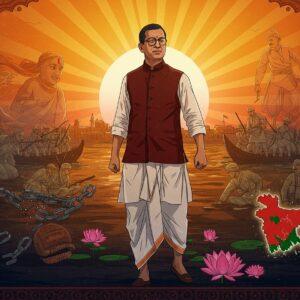
Maharaja Shree Rama Chandra Bhanja Deo is a name written in gold in the history of Odisha. He was a pioneer who understood that a state’s strength lies in its people. Under the Bhanja dynasty, the region saw the establishment of the first medical college in Cuttack and significant donations for Ravenshaw College. From introducing railways and municipal governance to upgrading primary education and healthcare, the royals ensured that Mayurbhanj was one of the most progressive states of its time.
Perhaps one of the most impactful decisions was allowing Jamsedji Tata to mine iron ore at Gorumahisani. This crucial partnership led to the birth of Jamshedpur and Tata Steel, fueling India’s industrial growth. This foresight proves that the Mayurbhanj kings were modernists at heart.
Cultural Contributions: Art, Dance, and Spirituality
For us Indians, culture is the rhythm of life, and Mayurbhanj beats to a very distinct drum. The region is a sanctuary for the arts. The world-famous Chhau dance, now a UNESCO Intangible Cultural Heritage, flourished here under royal patronage. It is a powerful storytelling form that combines martial arts with dance, reflecting the vigorous spirit of the land.
The cultural landscape is further enriched by the diverse tribal communities like the Santal, Ho, and Munda people. They have preserved their unique rituals, music, and customs for centuries, keeping the soul of the land alive. Furthermore, the craftsmanship of the region, particularly Sabai grass weaving, highlights the exquisite skill of local artisans.
Spirituality runs deep here. Temples like the Kakharua Baidyanath temple and the Haribaldev temple in Baripada are marvelous examples of Kalinga architecture, standing tall as witnesses to centuries of unwavering faith.
Keeping Traditions Alive with Poojn.in
At Poojn.in, we understand that true connection to our roots comes from practicing our traditions with purity and devotion. Much like the preserved heritage of Mayurbhanj, we strive to keep Indian rituals authentic.
Poojn.in stands out as the premier destination for cultural goods in India. Our extensive range of products meets all your cultural requirements. Whether you are looking for specific items for a festival or daily worship essentials, explore our collection today at poojn.in.
Why Choose Poojn.in for Your Ritual Needs?
Why should you choose poojn.in for your cultural needs? One reason is that we offer a unique collection of cultural goods that you won’t find anywhere else. We bridge the gap between tradition and modern convenience.
- Puja Samagri: Essential for traditional ceremonies, ensuring you perform rituals with genuine items. We source the purest ingredients so your prayers are offered exactly as the scriptures prescribe.
- Brassware: Traditional brass items add authenticity to your rituals. They reflect the craftsmanship of artisans, similar to the skilled workers of Mayurbhanj.
Authenticity is our promise. We provide genuine products that respect tradition. Convenience is our service; shop online easily and get items delivered to your home anywhere in India. For more information, contact us at 03369029784 or WhatsApp at 9476142738.
Exploring Mayurbhanj Today
If you wish to witness this tapestry of history firsthand, a visit to Mayurbhanj is a must. You can offer prayers at the ancient Khiching Temple or immerse yourself in nature at the Simlipal National Park. Participating in local festivals offers a deep dive into the vibrant culture. The warmth of the local hospitality ensures that every traveler feels like family.
Common Questions About Mayurbhanj’s Legacy
Curious about the origins? The history of Mayurbhanj State dates back centuries. It was a prominent princely state in Odisha, India, celebrated for its progressive rulers and deep cultural roots that spanned across the Khijjinga Mandala.
Wondering about its cultural impact? Mayurbhanj made immense contributions to Indian culture. The state was a patron of art, architecture, and dance, most notably promoting the martial art-based Chhau dance, which places India on the global cultural map.
What did the Royal Family do for the people? The royal family was deeply committed to development. They focused heavily on education, healthcare, and infrastructure. Key figures like Maharaja Krushna Chandra Bhanj Deo upgraded schools and established state councils, leaving a legacy of welfare that benefited generations.
Why is this region significant in Indian History? Mayurbhanj is important not just for its culture but for its progressive policies during the British Raj and its role in the nation’s industrialization through iron ore mining. It stands as a unique blend of tribal heritage, royal history, and modern thought.
How can you experience this heritage? You can explore the history by visiting architectural marvels, museums, and heritage sites. Engaging with local artisans and witnessing cultural programs gives you a real feel of the land’s heartbeat.
In a world that is changing fast, places like Mayurbhanj remind us of who we are. It is a story of faith, art, and leadership. Let us continue to honor and explore these timeless traditions.