

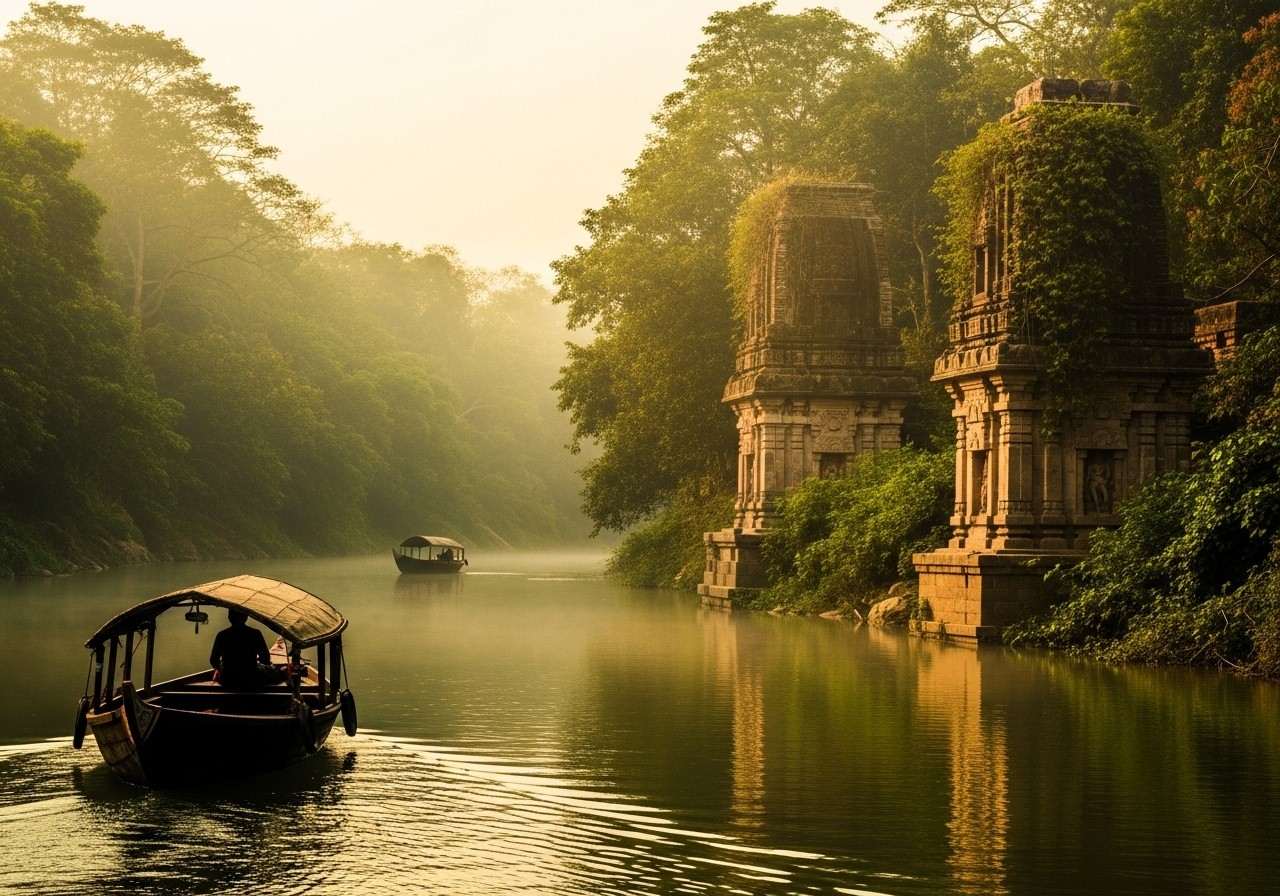
India is a land where ancient traditions and the quiet power of Mother Nature seamlessly weave together. Deeply nestled in the floodplains of the mighty Brahmaputra River, within the beautiful districts of Tinsukia and Dibrugarh, lies a true natural marvel. Widely celebrated as the second-largest river island national park in the world, this enchanting region is far more than just a wildlife refuge; it is a sacred testament to Assam’s glorious ecological and cultural legacy.
The Historical Tapestry of Assam’s Ecological Pride
Understanding the roots of this magnificent destination allows us to appreciate the immense efforts that have gone into preserving our country’s natural wealth. The timeline of its conservation is both fascinating and inspiring, reflecting decades of dedication to maintaining ecological harmony.
- Early Beginnings as a Reserved Forest: The structured protection of this lush expanse first took shape back in 1890, when it was initially declared as the Dibru Reserved Forest. Recognizing the intrinsic value of the land, authorities expanded the protected boundaries by adding more areas to the reserve during the years 1920 and 1933.
- Expansion and the Birth of a Sanctuary: In 1929, the adjacent Saikhowa Reserve Forest was formally declared, further widening the canopy of preservation. This visionary step laid the groundwork for 1986, when a massive stretch of 650 square kilometers was preliminarily marked as a wildlife sanctuary, a profound leap for local conservation efforts.
- Finalizing the Sanctuary Boundaries: Years of careful ecological assessment led to a pivotal moment in 1995, when a highly critical core area of 340 square kilometers was finally and officially declared a wildlife sanctuary. This crucial move ensured that the most vulnerable flora and fauna received the highest level of shielding from external threats.
- Elevation to Biosphere and National Park Status: The global community recognized this region’s immense value in 1997, designating it a Biosphere Reserve sprawling across 765 square kilometers. Ultimately, in 1999, the 340 square kilometer core area was rightfully elevated to a National Park, forever cementing its status as an untouchable natural treasure.
An Ecosystem Like No Other: Biodiversity and Avian Wonders
Ranked proudly among the world’s top 19 biodiversity hotspots, this pristine landscape owes its unparalleled fertility to the confluence of eight different rivers. These gentle waters continually nourish the land, depositing nutrient-rich soil that supports the largest Salix swamp forest in northeastern India. Amidst the moist mixed deciduous forests, canebrakes, and sweeping grasslands, life flourishes in the most miraculous ways.
- A Haven for Rare and Endangered Wildlife: Originally established to safeguard the natural habitat of the rare white-winged wood duck, the sanctuary has blossomed into a safe home for many majestic creatures. Today, lucky visitors might catch glimpses of the awe-inspiring Bengal tiger, magnificent water buffaloes, the elusive capped langur, and the vibrant black-breasted parrotbill.
- The Enchanting Legacy of Feral Horses: One of the most unique and breathtaking sights in this verdant paradise is its free-roaming population of feral horses. These beautiful, untamed creatures are actual descendants of domesticated horses that were left behind by military forces during the chaotic days of World War II, adding a deeply historical charm to the wilderness.
- A Paradise Recognized by BirdLife International: For those who find peace in watching winged wonders, this region is an absolute dream. It has been proudly identified as an Important Bird Area (IBA), offering a tranquil sanctuary to a spectacular array of resident and migratory birds that grace the Assamese skies year-round.
Deep-Rooted Tribal Connections and Social Impact
The soul of this wilderness is not just defined by its trees and animals, but by the indigenous communities who have nurtured it for generations. The noble Mishing and Deori tribes have dwelled in this region for centuries, living in a beautifully balanced harmony with the ecosystem. Their time-honored traditional practices and deep-seated folklore continuously reflect a profound respect for Mother Earth. Every ritual they perform and every agricultural practice they follow honors the delicate balance between taking from the land and giving back to it in equal measure.
Nurturing Your Spiritual Roots at Home with Poojn.in
Just as these ancient Assamese tribes preserve their sacred bond with nature, we understand that you too cherish the spiritual and cultural roots that keep your home filled with positive energy and divine blessings. While we deeply appreciate the beauty of exploring such divine natural landscapes, please remember that we at Poojn do not provide travel packages, offer any travel guidance, or arrange VIP darshans for temples.
Instead, our sole devotion lies in enriching your everyday spiritual practices from the comfort of your own home. We exclusively offer premium, authentic cultural goods through our online store. Whether you are preparing for a serene evening aarti or an elaborate festive puja, Poojn.in brings the purity of Indian traditions right to your doorstep. From meticulously curated puja kits to fragrant incense sticks and beautifully crafted traditional diyas, we provide everything you need to perform your rituals with utmost authenticity and devotion. For more details or to bring a touch of divine tradition into your household, feel free to contact us at 03369029784 or lovingly drop us a WhatsApp message at 9476142738.
Overcoming Challenges and Safeguarding the Future
As we reflect on the stunning beauty of Assam’s great river island ecosystem, we must also acknowledge the contemporary hurdles it faces. Ongoing challenges like climate change, habitat degradation, and unfortunate instances of illegal logging require steadfast attention. Thankfully, dedicated efforts are continuously underway to combat poaching and protect these sacred grounds. By weaving community education with international collaboration, the future of this biodiversity hotspot looks hopeful, reminding us that preserving our heritage is a collective responsibility we all share.
Frequently Asked Questions About This Natural Wonder
Many nature enthusiasts wonder about the fascinating historical journey of this renowned Assamese sanctuary. The roots of this protected land run extremely deep, beginning as a humble reserved forest in the late 19th century and thoughtfully progressing into a fully recognized, strictly protected national park by 1999, standing today as a vital shield for countless vulnerable species.
People often ask why this specific region holds such profound ecological significance on a global scale. It is primarily because this beautiful destination stands as one of the world’s most crucial biodiversity hotspots, maintaining an intricate ecological balance and serving as a lifeline for heavily endangered species like the majestic tiger and the rare white-winged wood duck.
Curious minds frequently inquire if the area is also classified as a biosphere reserve. Indeed, it holds this highly prestigious designation. The expansive biosphere reserve, officially established in 1997, actively focuses on both conserving breathtaking biodiversity and encouraging a highly sustainable harmony between the pristine environment and local human settlements.
Those planning a visit are eager to know what makes the ecosystem’s geography so incredibly unique. The stunning landscape is entirely shaped by the dynamic confluence of eight mighty rivers, which constantly replenish the soil. This has naturally given rise to the largest Salix swamp forest in the Northeast, featuring diverse habitats ranging from dense canebrakes to vast, open grasslands.
Visitors often look forward to learning how this sanctuary uplifts and supports the beautiful local culture. The surrounding ecosystem profoundly intertwines with the everyday lives of indigenous communities, particularly the Mishing and Deori tribes. The land sustains their traditional livelihoods, naturally blending centuries-old, respectful cultural practices with modern-day wildlife conservation efforts.