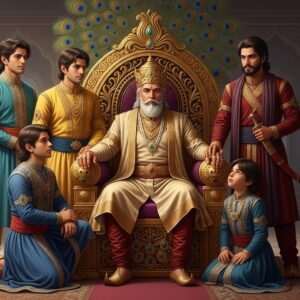


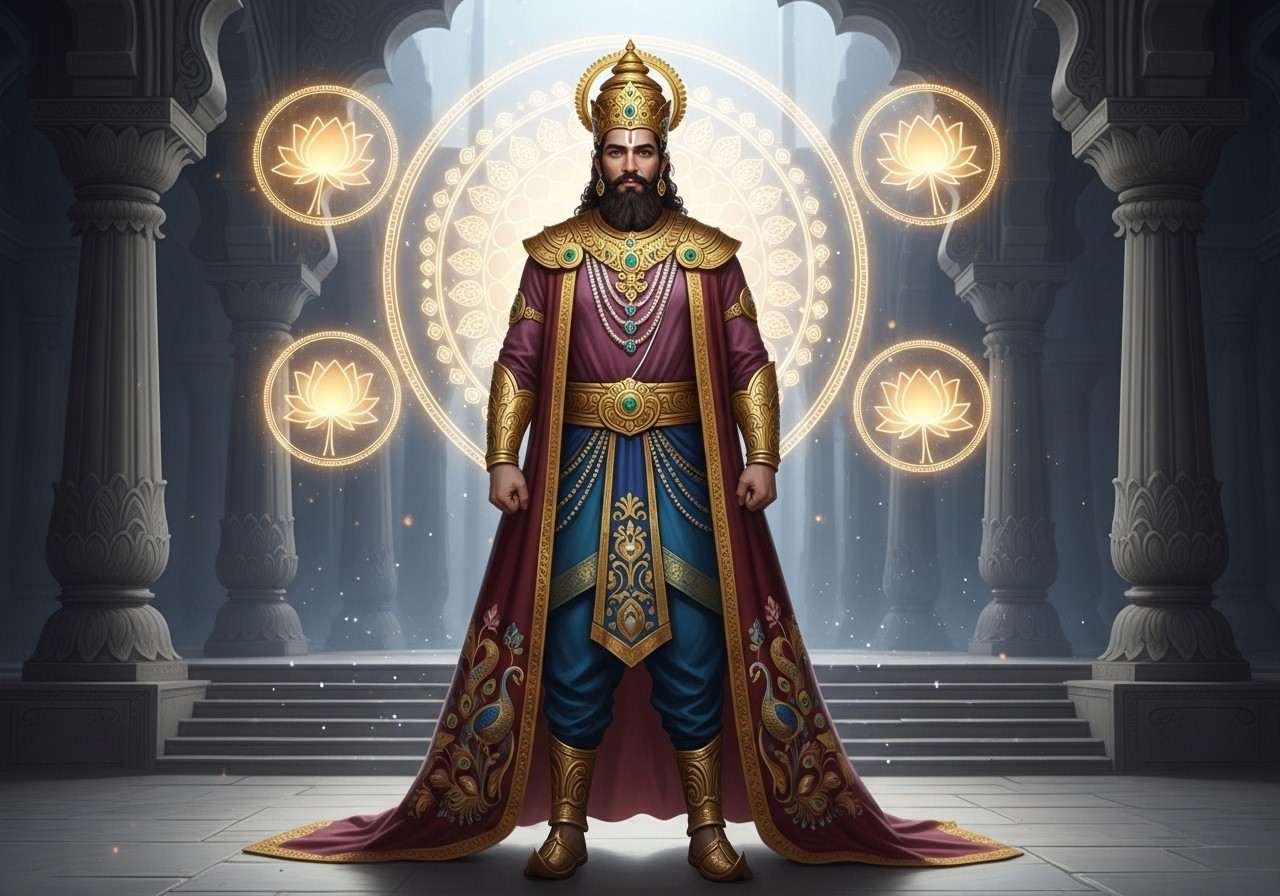
In the heart of every Indian household, the stories from our sacred scriptures have always held a very special place. These are not just ancient tales; they are warm, profound life lessons passed down by our elders to help us navigate the ups and downs of everyday life. The legendary saga of King Yayati, a well-known mythological ruler from the Mahabharata, is one such story that continues to echo deeply within our cultural roots. This powerful narrative, which is also documented with deep reverence in the Bhagavata Purana, beautifully highlights the eternal tug-of-war between our worldly desires and our righteous responsibilities.
The Mythological Roots: Wisdom from the Ancients
At its core, this epic narrative offers us a lot to think about. The story centers on King Yayati’s desperate wish to hold onto his youth and enjoy life’s pleasures forever. However, his choices end up deeply affecting his family and his entire kingdom. Our wise ancestors used this story to caution us against unchecked desires, gently reminding us that prioritizing our duty (Dharma) is what truly brings lasting peace. Today, the moral dilemmas faced by this ancient king still mirror the values we cherish in our Indian culture, making it a wonderful, cautionary tale about balancing what we want with what we owe to others.
A Literary Masterpiece: V.S. Khandekar’s 1959 Novel
The epic was beautifully brought back to life in a much-loved 1959 Marathi novel. This wonderful book tells the story of Yayati from different viewpoints, beautifully capturing the complicated emotions of everyone involved. Loved by readers and respected by critics, this magnificent work of literature was honored with the prestigious Sahitya Akademi Award in 1960 and the highly respected Jnanpith Award in 1974. By showing us the inner thoughts of the king, his devoted wife Devayani, and Sharmishtha, the author paints a very realistic picture of human relationships. Today’s thinkers often compare the king’s mindset to the modern individual, highlighting how our endless hunger for material things often leaves us feeling empty and disconnected from our roots.
Bringing the Epic to the Stage: Girish Karnad’s Masterpiece
Moving from the quiet corners of reading rooms to the lively atmosphere of the theater, the saga was wonderfully adapted in a 1961 debut play by a legendary Indian playwright. This famous stage production brought out the deep mental and emotional struggles of the characters, encouraging the audience to think deeply about life, duty, and personal choices. The love for this play has spread far and wide across our beloved country. For example, the Chennai-based Nisha Theatre has done a fabulous job of presenting this masterpiece to modern audiences. Their sheer passion even led to the creation of Arundhati, a beautiful standalone play inspired by just one incredibly strong monologue from the original script. Proving that true art has no language barriers, this brilliant Kannada play has also been lovingly translated and performed in Bengali, winning the hearts of art and culture lovers in eastern India.
Further Explorations in Modern Writing
Apart from these iconic works, several modern writers have taken creative steps to explore the unspoken emotions of these mythological figures. Writers across generations have beautifully captured timeless themes such as enduring love, ultimate power, and selfless sacrifice. By looking closely at the emotional struggles of the characters, these modern stories give us a very relatable view of human vulnerability. It is truly amazing how a story that is thousands of years old can still offer comfort and guidance for our everyday moral confusions.
Embrace Your Cultural Roots with Poojn.in
At Poojn.in, we take immense pride in being India’s most trusted online destination for authentic cultural goods. We deeply understand that the values taught in the Mahabharata and other sacred texts are the guiding lights for our families. Please note that while we do not offer any travel packages or facilitate VIP temple darshans, our trusted store is entirely dedicated to providing you with the finest cultural items to enrich your home and support your spiritual journey.
- Embracing Spiritual Books and Sacred Texts: Reconnect with our glorious past by exploring literature that dives deep into the wisdom of ancient sages and legendary rulers. Reading these timeless spiritual narratives in the comfort of your home brings immense peace, moral clarity, and a deeper understanding of our shared heritage. It allows the entire family to sit together, read, and reflect on the beautiful values that define our vibrant Indian culture.
- Bringing Home Authentic Ritual and Puja Items: Invite the divine energy of our sacred traditions into your daily life with our thoughtfully curated selection of puja essentials. From beautifully fragrant hand-rolled incense sticks to pure brass diyas and sacred threads, every single item we offer is crafted to make your everyday worship a truly authentic and spiritually uplifting experience. Cultivating a regular puja routine helps ground our minds, much like the disciplined lives our ancient gurus always advocated.
- Adorning Spaces with Heritage-Inspired Decor: Transform your living space into a serene sanctuary that beautifully echoes the grandeur of classic Indian epics. Our carefully crafted traditional decor pieces, artistic sculptures, and wall hangings serve as a daily reminder of the rich cultural legacy that has been passed down to us through countless generations. Every glance at these culturally rooted pieces will fill your heart with pride and a deep sense of belonging to our incredible history.
To bring these beautiful, authentic traditions right to your doorstep, we warmly invite you to explore our extensive collection at Poojn.in.
A Heartfelt Conclusion
The journey of this ancient epic through classic literature, modern novels, and gripping stage adaptations shows us just how rich and resilient our Indian culture truly is. From the verses of the Mahabharata to modern theater stages, this story speaks to the eternal themes of desire, moral duty, and human weakness. Every time this story is retold, it helps us look within and reflect on the choices we make in our own lives. As we keep these narratives alive in our homes and hearts, we stay firmly connected to our cultural heritage, finding lifelong wisdom and inspiration in our timeless traditions.
Commonly Asked Questions About This Timeless Narrative
What is the core essence of this mythological ruler’s story?
The tale revolves around an ancient king’s endless search for eternal youth and worldly comforts. Ultimately, it serves as a beautiful reminder that true happiness does not come from chasing material things, but from understanding our duties and accepting the natural stages of life gracefully.
How did the 1961 stage adaptation change our view of the epic?
The well-known 1961 stage play brought out the hidden emotional struggles of the characters. It helped audiences see them not just as distant figures from our holy books, but as real people dealing with desires, family duties, and the heavy burden of their personal choices.
Why does this ancient legend still matter in today’s fast-paced world?
In a time where we are constantly running after the next big thing, this narrative acts as a comforting guide. It gently warns us against the trap of endless desires, encouraging us to find a sweet balance between fulfilling our personal wishes and taking care of our family and community.
What are the central themes explored in these literary works?
Writers and playwrights mostly focus on the constant tug-of-war between personal wants and moral responsibilities. These stories shed light on the sacrifices made by loved ones, the false promise of eternal youth, and how one selfish act can impact the peace of an entire family or kingdom.
How can we pass these values on to the next generation?
By sharing these beautiful stories with our children, reading traditional texts together, and maintaining our daily cultural practices at home, we can ensure that our rich heritage and moral values continue to guide the younger generation.