

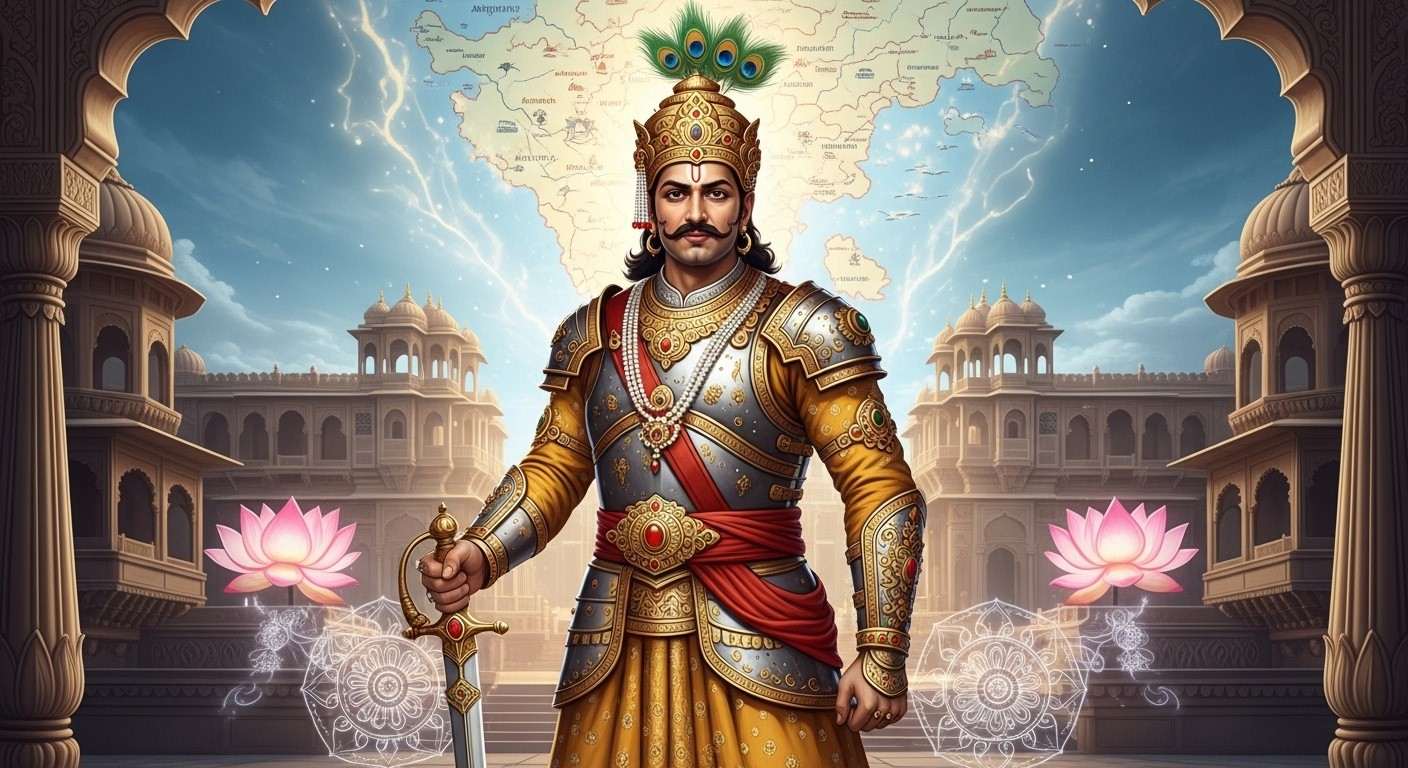
The story of India is beautifully woven with countless threads of bravery, devotion, and sacrifice. Among these, few shine as brilliantly as the House of Mewar. Often lovingly referred to as the Udaipur Royal Family, this lineage holds an incredibly special place in the hearts of Indians who deeply value our nation’s rich virasat (heritage). For over 1,300 years, the rulers of Mewar have stood as global symbols of unyielding courage. They offered fierce resistance to foreign invasions while remaining steadfastly committed to Rajput honor and our ancient cultural roots. Unlike many others of their time, the Mewar dynasty uniquely chose the path of independence and monumental sacrifice, refusing to simply align with Mughal rulers without a fight.
The Dawn of Pride: Bappa Rawal and the Suryavanshi Guhils
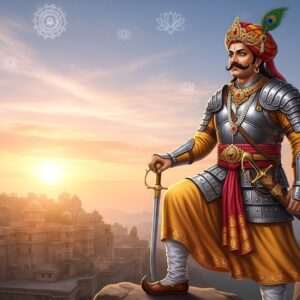
To truly understand the essence of Mewar, we must look back to its legendary origins. The glorious Mewar dynasty traces its deep roots to the Guhil dynasty, founded by the visionary Bappa Rawal in the 8th century. Belonging to the venerable Suryavanshi lineage, the family proudly claims direct descent from the Sun God, Surya Dev. This divine connection forms a powerful spiritual foundation of pride and respect that continues to resonate in everyday Indian households.
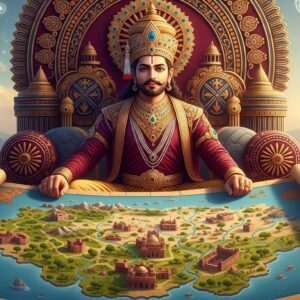
During their early rule, the Guhils established their initial seat of power at Nagda. Eventually, they shifted their magnificent capital to Chittorgarh, which blossomed into the very center of Mewar’s political and cultural power. Chittorgarh was not just a fortress; it was a sacred ground where courage was nurtured, and timeless legends were born.
The Shift to the Sisodia Clan: A Resurgence of Valor
Our history books are filled with the names of brave kings, but the rulers of Mewar hold a distinct aura of reverence. A significant milestone in this timeline was achieved by Jaitra Singh, who is deeply remembered for his spectacular victory against Sultan Iltutmish of Delhi in the historical Battle of Bhutala in 1227 AD.
Following periods of intense struggle, the iconic Sisodia clan of Mewar was officially founded between 1325 and 1326. Hammir Singh, a courageous member of the Guhila family, successfully re-established the Kingdom of Mewar by famously defeating the Tughluq sultans of Delhi. It was during this powerful resurgence that the rulers of this branch proudly adopted the revered title of “Rana,” carrying forward a legacy defined by profound self-respect and tradition.
Architectural Marvels and Cultural Prosperity
While the Mewar kings were formidable warriors on the battlefield, their souls were deeply intertwined with devotion, art, and architecture. Maharana Kumbha, a celebrated patron of music, literature, and temple architecture, enriched the cultural landscape of Rajasthan beyond measure. He thoughtfully commissioned the construction of the legendary Kumbhalgarh Fort, an architectural masterpiece that now stands proudly as a UNESCO World Heritage Site.
Maharana Pratap: The Immortal Symbol of Rajput Resistance
No conversation about Indian valor is complete without bowing our heads in respect to Maharana Pratap. He is celebrated across generations for his absolute and steadfast resistance against the powerful Mughal emperor Akbar. Maharana Pratap strictly refused to accept Mughal sovereignty, choosing instead the arduous path of fighting in the rugged Aravalli hills to protect Mewar’s independence.
His sheer bravery, especially witnessed at the legendary Battle of Haldighati in 1576, continues to give goosebumps to anyone who reads about it. Maharana Pratap’s life story is a shining beacon of what it means to stay true to one’s motherland, inspiring millions of Indians to this day.
Navigating Changing Eras: The Mughals, British, and Modern India
The tides of time inevitably brought significant changes to the socio-political landscape of Rajasthan. In 1559, Maharana Udai Singh II thoughtfully founded the beautiful city of Udaipur, which became the new flourishing capital. However, turbulent times soon followed. In 1568, when the massive armies of Mughal Emperor Akbar moved to occupy Mewar, Maharana Udai Singh strategically retired to the safety of Udaipur.
History notes that after the passing of the great Rana Pratap, the Sisodias pragmatically became vassals of the Mughals for nearly two centuries to preserve their people. As the centuries turned, Mewar smartly entered into an alliance with the British in 1818, functioning as a respected Princely state. This continued until India’s glorious independence in 1947, when Mewar joyfully joined the Union of India and was beautifully integrated into the state of Rajasthan.
Today, as we look at modern India, the historical legacy beautifully transitions into contemporary reverence. The royal privy purse was formally abolished in 1971, and royal titles were derecognized by the government. Nevertheless, the cultural respect remains intact. The current esteemed head of the Udaipur royal family is Maharaja Lakshyaraj Singh Mewar, who continues to be a symbol of cultural continuity and immense pride for traditional families across the country.
Honoring Our Heritage with Authentic Cultural Goods
At Poojn, we firmly believe that the stories of Bappa Rawal, Maharana Pratap, and the timeless House of Mewar are not just chapters in a history book—they are vital parts of our living, breathing culture. We understand that as modern Indians, preserving these sacred traditions within our own homes is a deeply emotional endeavor.
Please note that while we deeply respect our country’s spiritual geography, we do not provide travel packages, nor do we offer VIP darshan arrangements for temples. Instead, our true passion lies in bringing the essence of Indian culture directly to your doorstep. We are dedicated exclusively to providing you with the highest quality cultural and religious goods through our trusted online store. By choosing items that reflect the grandeur of our ancient heritage, you keep the flame of tradition burning bright for your children and grandchildren.
Embrace the spiritual warmth of your daily rituals by exploring our authentic collection at https://www.poojn.in. Here is a glimpse of what you can bring into your home:
- Traditional Daily Pooja Essentials: Bringing the divine aura of ancient Indian rituals straight to your household, our collection is thoughtfully curated to help you perform your everyday prayers with the utmost purity and devotion. We ensure that every incense stick, brass diya, and sacred thread resonates with the spiritual warmth you seek for your family’s wellbeing.
- Heritage-Inspired Home Decor Artifacts: Transform your living spaces into a beautiful reflection of our majestic past with meticulously crafted decorative items inspired by royal Indian aesthetics. These timeless artifacts serve as a wonderful daily reminder of our golden heritage, making them absolutely perfect for families who wish to stay deeply connected to their cultural roots.
- Spiritual and Historical Literature: Dive deep into the captivating stories of our great ancestors and sages with our extensive selection of cultural books. Whether you want to educate the younger generation about Rajput valor or immerse yourself in historical epics, our literary offerings provide a comforting and educational bridge to the profound wisdom of our forebears.
Understanding the Legacy: Common Inquiries About Mewar’s Lineage
Who exactly was Bappa Rawal in the context of our Indian history?
Bappa Rawal was a highly revered king and the visionary founder of the Guhil dynasty in the 8th century. He is widely celebrated for laying the strong foundational stones of the Mewar kingdom, establishing a legacy of immense bravery, and passionately championing the defense of Indian culture and spirituality against early foreign incursions.
What is the cultural significance of Bappa Rawal’s family tree?
The family tree of Bappa Rawal is incredibly significant because it beautifully marks the origin of the legendary Sisodia dynasty, which successfully ruled over Mewar for many centuries. This deeply respected lineage gave birth to countless prominent warriors, wise leaders, and devoted patrons of religion, effectively shaping the cultural backbone of Rajasthan.
How are Bappa Rawal and Maharana Pratap historically connected?
Bappa Rawal and Maharana Pratap proudly share the exact same royal bloodline. Maharana Pratap is a direct and illustrious descendant of Bappa Rawal. He flawlessly carried forward his ancestor’s sacred legacy of valor, fierce independence, and unyielding resistance against foreign invasions, keeping the Mewar pride intact.
Who are some other notable and respected descendants of Bappa Rawal?
Beyond the legendary Maharana Pratap, the royal lineage boasts several highly notable figures. Maharana Udai Singh II, who visionary founded the beautiful city of Udaipur in 1559, and Rana Kumbha, who is eternally respected for his monumental architectural contributions like the Kumbhalgarh Fort, are key figures in this glorious family tree.
Why does Maharana Pratap remain such a deeply important figure for Indians today?
Maharana Pratap is emotionally celebrated across the nation for his absolute courage and unshakable determination in fighting against the mighty Mughal emperor Akbar. His fierce resistance at the Battle of Haldighati perfectly symbolizes the eternal Indian spirit of independence, supreme sacrifice, and undeniable valor.
What was the overall historical impact of the Sisodia dynasty on Mewar?
The Sisodia dynasty played an absolutely crucial role in protecting and shaping the deeply rooted cultural, religious, and political landscape of Mewar. They are historically renowned for building magnificent temples, impenetrable fortifications, and for their lifelong commitment to preserving the region’s independence and Dharmic traditions.
Are there specific historical sites related to this royal lineage that still stand today?
Absolutely, the majestic lands of Rajasthan are dotted with living history. Prominent historical sites such as the ancient Chittorgarh Fort, the incredibly massive Kumbhalgarh Fort, and the breathtakingly beautiful City Palace in Udaipur perfectly reflect the rich and enduring heritage of Bappa Rawal and Maharana Pratap’s exceptional lineage.