
Marathi is more than just a means of communication; it is the beating heart of Maharashtra’s vibrant heritage. Spoken proudly by millions, this beautiful regional tongue carries centuries of history, resilience, and literary brilliance. As of today, April 9, 2026, the language continues to adapt beautifully to the digital age while staying deeply rooted in tradition. Taking the time to understand its nuances helps you connect intimately with your cultural roots and appreciate the traditional values passed down through generations. This comprehensive guide will lovingly walk you through the essential foundations, from the graceful script to the structured grammar and daily numbers.
The Soul of the Language: The Devanagari Alphabet and Script
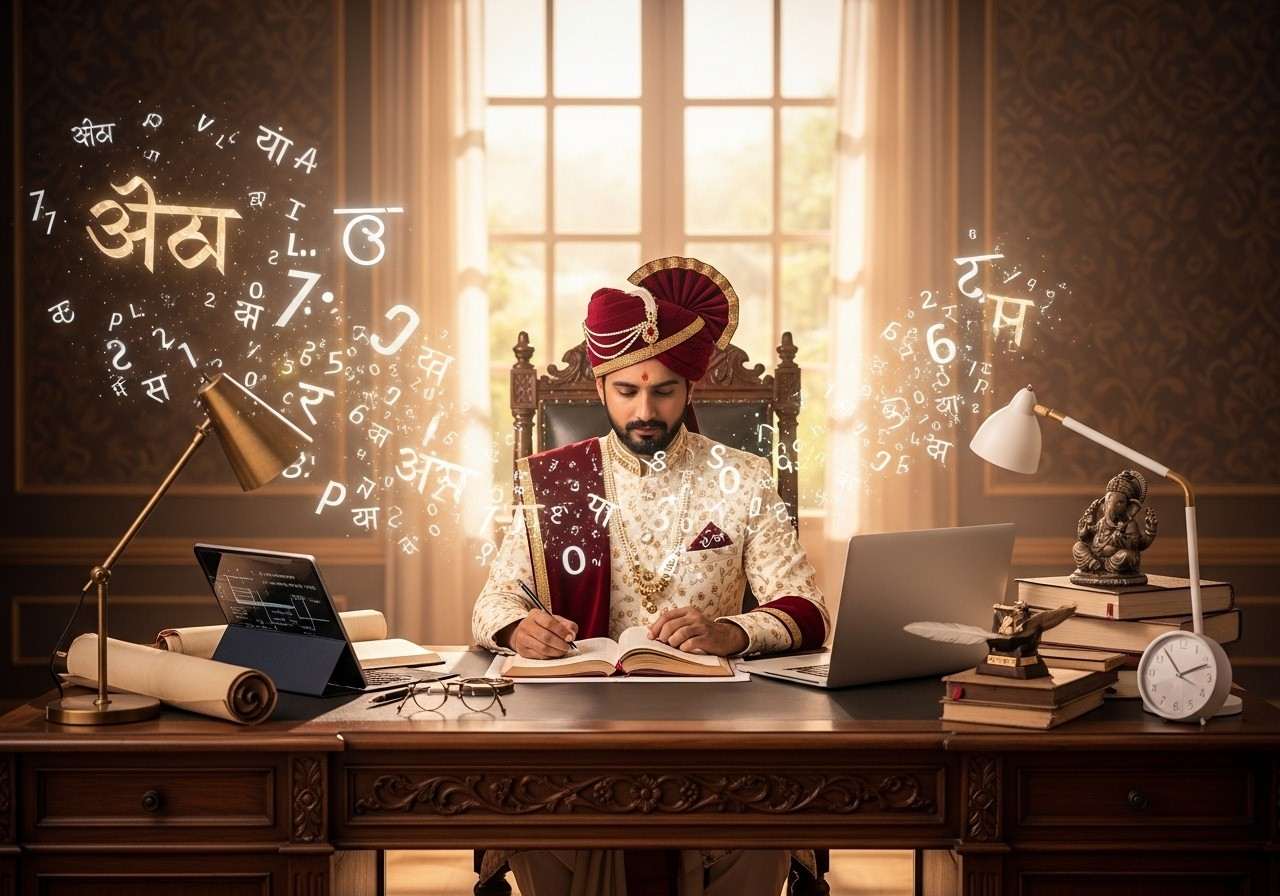
The foundation of this beautiful dialect rests upon the widely revered Devanagari script. Historically, this shared script fosters a profound cultural integrity, as it is the same sacred writing system used for Hindi and Sanskrit. While classical texts mention 52 basic characters comprising both vowels and consonants, standard modern usage often groups them into around 48 primary letters. The true magic of this writing system lies in its scientific precision.
- Phonetic Purity and Pronunciation: This remarkable script is entirely phonetic, which means that the sounds are written exactly as they are spoken in daily life. Vowels elegantly attach to consonants as modifiers, ensuring that once you learn the sounds, reading out loud becomes an incredibly intuitive and rewarding experience.
- Preservation in the Modern Era: Over time, this ancient script has beautifully evolved to integrate into our fast-paced technological world. Today, you will find it flourishing in digital formats, online literature, and social media platforms, ensuring that our rich cultural heritage is safely preserved and passed on to future generations.
Counting Our Blessings: The Marathi Numerical System (मराठी अंक)
Numbers hold a special, auspicious place in our daily lives and religious rituals. Whether you are counting offerings for a puja, negotiating at the local market, or simply chatting with loved ones, these digits are absolutely vital. They beautifully exist in two forms: the numerical digits (अंक) and the number names beautifully written out in words (शब्द). Grasping both forms gracefully elevates your ability to solve practical math problems and communicate effortlessly.
Understanding Cardinal and Ordinal Values
- Cardinal Numbers (The Quantity): These everyday numbers tell you exactly how many items are present in a given situation. For example, if you are lovingly offering three sweet mangoes to a deity, you rely on a cardinal number to express that specific quantity.
- Ordinal Numbers (The Rank): These numbers indicate the specific order, rank, or position of people or things in a sequence. If your child proudly secures the first position in a school competition, you would use an ordinal number to celebrate their wonderful achievement.
The Essential Foundation: Key Numbers (1 to 10)
Memorizing these foundational digits is your very first step toward mathematical fluency.
- 1 – एक (ek): Learning this foundational digit marks the beautiful beginning of your counting journey in the regional tongue. It is widely used in our daily life, whether you are picking up a single household item or starting a sacred, devotional chant at home.
- 2 – दोन (don): This digit beautifully represents duality and is absolutely essential for everyday math and casual conversations. Knowing how to say “two” gracefully helps when you are purchasing pairs of traditional items or making simple, everyday requests.
- 3 – तीन (teen): This is a highly significant number in our culture, frequently observed in traditional rituals and deep spiritual practices. Mastering this helps you seamlessly communicate exact quantities during joyous family gatherings or your local festive shopping.
- 4 – चार (chaar): Frequently utilized in timeless idioms and daily household discussions, this number remains a cornerstone of basic counting. You will hear it quite often when wise elders impart advice or when carefully measuring out ingredients for regional family recipes.
- 5 – पाच (paach): An incredibly auspicious number in many Indian traditions, perfectly representing the five vital elements of nature. You will constantly use this term while thoughtfully arranging ceremonial offerings or buying festive goods for your welcoming home.
- 6 – सहा (sahaa): This important digit effectively bridges the gap toward the first set of ten and is crucial for accurately telling time. Remembering its pronunciation ensures you can easily understand family schedules and seamlessly coordinate with your community.
- 7 – सात (saat): Often beautifully associated with completion and harmony, this number is deeply woven into our vast cultural fabric. It serves as a vital part of your vocabulary for everything from counting days of the week to participating in lifelong marital ceremonies.
- 8 – आठ (aath): This is a highly practical and commonly used number that gradually brings you closer to the end of the primary single digits. Practicing its unique pronunciation will make your basic arithmetic and local market interactions feel much smoother and more natural.
- 9 – नऊ (nau): Holding immense importance for its role right before the first double-digit number, it carries its own unique cultural significance. It is frequently seen in important festival dates, Navratri celebrations, and traditional measurements across the entire state of Maharashtra.
- 10 – दहा (dahaa): Reaching this cherished number is a proud milestone in learning the numerical foundations of this rich language. It confidently opens the door to understanding much higher values and makes handling daily financial transactions much more intuitive.
Stepping Up: Numbers 11 to 20
These specific numbers carry unique phonetic sounds and require dedicated practice to master gracefully.
- 11 – अकरा (akra): The exciting journey into double digits begins right here, marking a significant transition in how we traditionally count. It is a highly auspicious number, frequently used for giving shagun (blessed gift money) during joyous weddings and household pujas.
- 12 – बारा (bara): This versatile number is universally important for counting everyday dozens, tracking months in a year, and accurately telling time. Getting perfectly comfortable with its sound will drastically improve your ability to schedule family events and carefully organize daily tasks.
- 13 – तेरा (tera): A deeply fascinating number that you will frequently encounter in various rich cultural stories and historical regional contexts. Practicing its unique sound helps you build immense confidence in pronouncing the teen numbers correctly during fluid conversations.
- 14 – चौदा (chauda): Remembering this particular number is incredibly helpful for recalling dates, understanding historical references, and fulfilling everyday counting needs. It carries a distinct phonetic sound that requires a bit of dedicated practice but feels wonderfully natural once fully mastered.
- 15 – पंधरा (pandhara): This serves as a crucial midpoint in the one-to-twenty sequence, commonly used for tracking halves of a month or time periods. You will find it very useful when observing the traditional lunar calendar or planning intricate festival preparations with your family.
- 16 – सोळा (sola): Deeply rooted in age-old tradition, this number beautifully represents completeness, such as the sixteen traditional adornments (solah shringar). It is a highly poetic word that flows beautifully off the tongue once you grasp the proper regional pronunciation.
- 17 – सतरा (satra): As you smoothly move higher up toward the twenties, this specific number helps solidify your overall understanding of the teen pattern. It is commonly used in everyday household math, formal educational settings, and confident local market bargaining.
- 18 – अठरा (athra): A number carrying profound historical and epic significance in our culture, frequently appearing in classical texts and teachings. Memorizing it ensures you can easily follow along with traditional storytelling sessions and accurately recall important historical dates.
- 19 – एकोणीस (ekonis): This unique number wonderfully serves as the bridge right before entering the twenties, showing a clever shift in the naming pattern. It literally implies “one less than twenty,” which is a fascinating grammatical concept shared closely with the Hindi language.
- 20 – वीस (vis): Reaching this final milestone signifies a robust grasp of the foundational counting numbers, beautifully setting you up for larger quantities. From this point onward, the numerical pattern becomes much more systematic, such as twenty-one being एकवीस (ek + vis).
Foundation of Expression: Grammar Rules and Usage
Marathi grammar is celebrated for its precise, deeply structural rules that bring clarity to daily communication. Recognized grammatical standards, heavily guided by institutions like the Maharashtra Sahitya Parishad, are essential for written proficiency. For enthusiastic learners, esteemed resources like M. R. Walimbe’s widely used “Marathi Grammar” book remain standard guides.
- Sentence Structure (SOV): Sharing beautiful similarities with other modern Indo-Aryan languages, the principal word order follows a Subject-Object-Verb (SOV) sequence. Grasping this core syntax is absolutely crucial for forming thoughts naturally and avoiding the awkward direct translations from English.
- Nouns and Gender Nuances: Nouns intricately inflect based on three distinct genders: masculine, feminine, and neuter, alongside variations for singular/plural numbers and specific cases. This profound system adds incredible emotional depth to sentences, ensuring the speaker conveys respect and precise context seamlessly.
- Dynamic Verb Tenses: Verbs flexibly inflect to accurately indicate past, present, and future tenses, mirroring the rhythm of life itself. Understanding how to adapt these verbs is the golden key to sharing your personal stories, cherished memories, and future aspirations with heartfelt clarity.
Deepening Your Cultural Connection with Poojn
As India’s biggest and most trusted store for authentic cultural goods, we at poojn.in believe that learning a language goes hand-in-hand with experiencing its rich traditions. Please note that we strictly focus on bringing sacred items to your home; we do not offer any travel packages, guided tours, or VIP temple darshan services. We proudly and exclusively sell premium cultural goods through our comprehensive online store.
To lovingly support your journey into the Maharashtrian heritage, we offer an array of beautiful, tradition-rooted products. Whether you need authentic puja items for your daily rituals, traditional decor, or cultural books that celebrate our Indian roots, we have it all thoughtfully curated for you. Explore our extensive, hand-picked collection to enhance your cultural lifestyle today by visiting https://www.poojn.in.
We are always here to assist you with warmth and respect. For any genuine queries about our cultural products, please feel free to contact us via phone at 03369029784 or send us a friendly WhatsApp message at 9476142738. Let us bring the sacred essence of Indian tradition directly to your welcoming doorstep.
Embracing the Heritage
Understanding the script, grammar, and numbers of this regional language is akin to opening a beautiful door to a vibrant world of tradition. These elements are not merely mechanical tools for speaking; they are the emotional keys to connecting with the profound heritage and warm community of Maharashtra. By dedicating time to practice these rules in your daily interactions, you deeply honor the timeless values that have shaped our rich Indian society.
Frequently Asked Questions on Cultural Learning
What exactly is the script used for this regional language?
The highly revered script is called Devanagari, an ancient and structurally brilliant writing system. It is utilized not only for this specific dialect but also for several other prominent Indian languages, effectively preserving our shared national heritage.
How many phonetic characters make up the alphabet?
The core alphabet traditionally consists of around 52 basic characters, beautifully comprising both vowels and consonants. These include independent vowels and numerous consonant sounds specifically designed to capture the exact phonetic essence of spoken words.
Are there unique grammatical structures I should be aware of?
Yes, the grammar features several wonderfully distinct rules, such as gender-based verb modifications and a specific Subject-Object-Verb sentence flow. Patiently understanding these unique nuances helps tremendously in formulating polite, culturally accurate, and structurally proper sentences.
How are the numbers traditionally written out?
The numerals are elegantly written using the traditional Devanagari numeric symbols. They gracefully range from ० to ९, which perfectly correspond to the universally recognized Arabic numerals of 0 to 9 used globally.
Is the grammar identical to what is used in Hindi?
While both majestic languages proudly share the same Devanagari script and some vocabulary, they possess distinctly different grammatical frameworks. The regional rules have their own highly specific verb conjugations, unique case endings, and specialized gender applications that beautifully set it apart.
Is it possible to master the reading and writing process digitally?
Absolutely, the modern digital landscape offers an abundance of wonderful resources for eager learners. You can easily find interactive platforms, comprehensive video tutorials, and culturally relevant reading materials online to support your fulfilling educational journey.
What are the common hurdles faced during the learning process?
Many new learners initially find navigating the three distinct grammatical genders and perfecting the unique phonetic sounds slightly demanding. However, with consistent daily practice and an open, enthusiastic heart, these minor challenges quickly transform into deeply rewarding milestones.
Why is grasping the foundational reading system so deeply important?
Gaining proficiency in the written script is absolutely vital for engaging fully with regional literature, historical texts, and traditional communications. It respectfully allows you to immerse yourself in the culture, fully appreciate timeless poetry, and participate actively in preserving our glorious traditions.