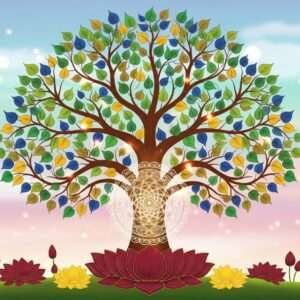



In the heart of our rich Indian heritage, certain symbols deeply resonate with our spiritual core. Among them, the sacred fig—botanically known as Ficus religiosa—stands as a powerful emblem of supreme wisdom and enlightenment. Woven intimately into both Buddhist traditions and our everyday Indian culture, this ancient plant carries a profound history that continues to inspire millions. For those of us who deeply value our ancestral roots and the purity of authentic rituals, understanding the incredible journey of this revered tree can truly enhance and uplift our personal spiritual journey.
Tracing the Sacred Roots: A History of Awakening
If we look back through the pages of history to around the 5th century BCE, we find the deeply inspiring story of Siddhartha Gautama. Seeking ultimate truth, he sat in deep meditation under the protective shade of a magnificent sacred fig in Bodh Gaya. After 49 days of unwavering meditation, he successfully attained spiritual awakening, transforming into the Buddha. Following this monumental event, the shelter that protected him rightfully became known as the “tree of enlightenment” or the Bodhi Tree, as “Bodhi” itself beautifully translates to awakening.
Even during the lifetime of the Buddha, the very ground where this majestic tree stood was venerated as a holy shrine. Ancient texts, including the beloved Jataka tales, frequently highlight its historical and spiritual relevance. Throughout the centuries, various Indian dynasties and noble rulers took it upon themselves to protect this divine site, ensuring that its sacred status was preserved for future seekers of truth.
The Living Generations: From India to Sri Lanka and Beyond
While the original tree that sheltered the Buddha is no longer standing, its divine essence remains completely unbroken. Its legacy beautifully thrives through carefully nurtured saplings and cuttings that have been planted across Asia over the centuries. This miraculous propagation ensures that the profound blessings of the divine remain accessible to devotees worldwide.
- The Journey of the Jaya Sri Maha Bodhi: In a beautiful act of devotion in 288 BCE, Emperor Ashoka’s daughter, Sanghamitta, lovingly carried a holy sapling all the way to Sri Lanka. Planted in the historic city of Anuradhapura, this revered descendant is celebrated today as the oldest living human-planted tree with a clearly documented date in history.
- The Royal Shrine at Bodh Gaya: Recognizing the unmatched spiritual energy of the site, Emperor Ashoka formalized the location’s status in the 3rd century BCE. By constructing the very first shrine at this sacred destination, he established a monumental pilgrimage center that continues to draw truth-seekers from every corner of the globe.
- The Current Guardian in India: The breathtaking tree you can visit today at Bodh Gaya is actually a direct descendant of the Sri Lankan lineage. It was thoughtfully planted in 1881 using a healthy cutting from the Anuradhapura tree, bringing the sacred roots full circle back to the exact spot of the original awakening.
Botanical enthusiasts and spiritual seekers alike are drawn to its distinctive heart-shaped leaves, which beautifully symbolize compassion, peace, happiness, and absolute clarity of mind. Surrounding communities continue to engage in deeply nurturing practices, treating these natural wonders as living symbols of the human potential to achieve ultimate peace.
Finding Peace at the Mahabodhi Complex in Gaya
Today, Bodh Gaya remains one of the most spiritually charged pilgrimage centers on earth. The magnificent Mahabodhi Temple complex that surrounds the current tree is a breathtaking testament to architectural brilliance and unwavering devotion. When you stand quietly in its presence, the entire site vibrates with the gentle hum of sincere prayers and deeply focused meditation.
Countless devotees gather here to perform sacred rituals that honor the Buddha’s phenomenal journey. Local communities act as the devoted guardians of this space, working tirelessly to shield the holy site from modern environmental challenges like pollution and climate change. Their dedicated conservation efforts beautifully balance the growing presence of tourism with the utmost respect for the area’s tranquil sanctity.
The Cultural Embrace: Wisdom in Everyday Indian Life
Beyond its historical location, this tree of awakening has profoundly shaped our broader Indian cultural identity. It serves as a gentle, living reminder to pause our fast-paced lives, breathe deeply, and reconnect with our inner selves. In our vibrant art, soulful literature, and classical music, the imagery of its heart-shaped leaves represents an enduring state of tranquility.
As modern spiritual and wellness practices continue to grow, the symbolism of this sacred plant integrates seamlessly into mindfulness teachings. It actively encourages sustainable living and a deep, respectful harmony with Mother Nature and her countless blessings. It serves as a living representation of our own boundless capacity for compassion and spiritual growth.
How Poojn.in Supports Your Sacred Traditions
We understand that honoring our deeply rooted traditions requires the purest of materials. Poojn.in is proudly recognized as India’s biggest Dashakarma bhandar, entirely dedicated to offering authentic ritual items online. Because this revered tree holds such immense significance in Indian tradition—marking the very spot of Lord Buddha’s enlightenment—many devout individuals perform heartfelt home rituals to channel its peaceful energy.
At Poojn.in, you can easily discover a wide variety of cultural goods that are absolutely perfect for these sacred observances. We offer comprehensive puja kits that include premium incense sticks, beautifully crafted diyas (lamps), and sacred threads. These traditional items are essential for maintaining the utmost purity and sanctity of your rituals, whether you are honoring the teachings of the Buddha or seeking everyday spiritual balance in your home.
Shopping with Poojn.in is incredibly convenient and strictly ensures that you receive only high-quality, authentic products delivered safely and directly to your doorstep. Our user-friendly online store allows you to effortlessly select and purchase the exact items you need to honor your spiritual heritage. For any detailed information or personal assistance with your cultural requirements, please do not hesitate to contact us at 03369029784 or simply WhatsApp us at 9476142738.
Embracing a Timeless Legacy
The rich legacy of this awakening tree serves as a truly beautiful reminder of how history, deep spirituality, and human culture are perfectly intertwined. As we lovingly reflect on its incredible journey—from the quiet grounds of Bodh Gaya to distant lands across Asia—we witness its unmatched power to unite people from all walks of life in a shared pursuit of goodness.
Even if we cannot always travel to the physical sites of pilgrimage, we can certainly invite the tree’s values of wisdom, boundless compassion, and mindfulness into our daily routines. By creating a sanctuary of peace within our own homes and respecting the timeless traditions passed down by our ancestors, we actively keep this beacon of enlightenment glowing brightly for all future generations.
Frequently Asked Questions About the Sacred Tree’s Legacy
What is the spiritual significance of this revered sacred fig?
This magnificent plant holds immense value because it provided a tranquil, protective canopy for Siddhartha Gautama as he meditated and finally transformed into the Buddha. Today, it stands universally as a profound symbol of divine wisdom, inner peace, and the spiritual awakening that is entirely possible for every human being.
How old is the current descendant located in Gaya?
While the original roots date back over 2,500 years to the 5th century BCE, the specific tree currently standing in the Mahabodhi complex was carefully planted in the year 1881. It is a direct, living descendant grown from a cutting of the ancient Sri Lankan lineage, thereby keeping the holy heritage completely unbroken.
Are there multiple living generations of this ancient plant?
Yes, the fascinating lineage consists of several vibrant generations. Although the very first tree was lost to time and natural events, devoted followers safely transported and planted its saplings in various parts of the world—most notably the Jaya Sri Maha Bodhi in Sri Lanka—ensuring its profound legacy thrives globally.
Why do thousands of devotees visit the holy site in Bodh Gaya?
Devout pilgrims and spiritual seekers travel to this sacred destination to pay their deepest respects to the Buddha’s journey of enlightenment. Immersing oneself in the peaceful aura of the grounds provides a beautiful opportunity to meditate, reflect, and seek inner wisdom away from the chaos of modern life.
What kind of traditional rituals are commonly associated with this site?
Visitors and monks frequently engage in deep meditation, offer sincere prayers, and perform circumambulation (walking respectfully around the sacred space). These heartfelt practices are performed to deeply honor the teachings of the Buddha and to seek divine blessings for clarity and peace of mind.
Is it possible to nurture a similar sacred fig in a home garden?
Absolutely, many spiritually inclined families choose to plant a sapling of this sacred fig at home as a living symbol of peace and constant spiritual growth. As long as you provide a suitable, warm climate and ample space for its grand roots to expand, it serves as a wonderful daily reminder of enlightenment right in your own backyard.