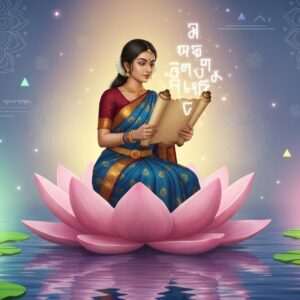

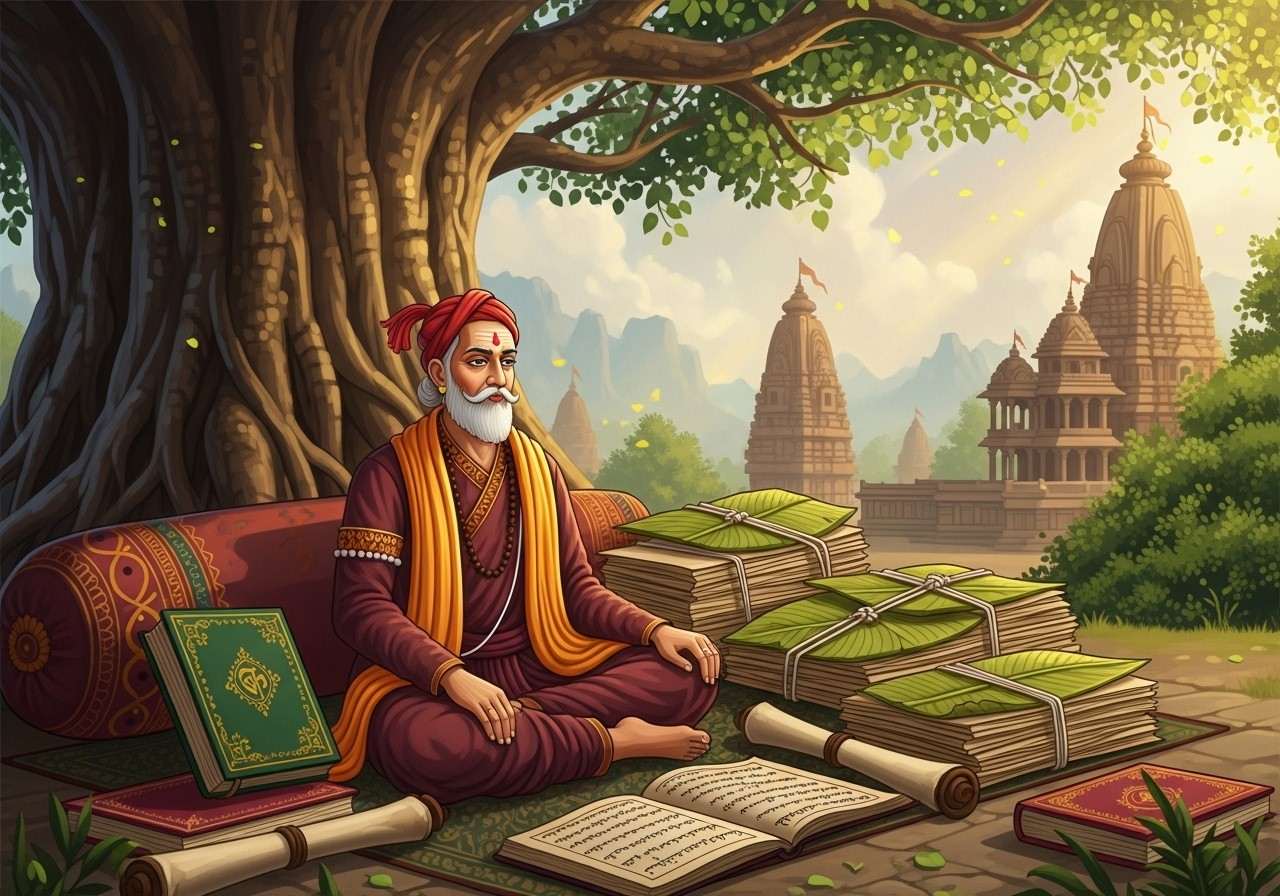
The rich tapestry of India’s cultural heritage is beautifully reflected in its native languages and scripts. The Bangla writing system is truly a fascinating script with profound cultural roots, acting as far more than just a medium for daily communication. For millions of people across India and our neighboring regions, it stands as a resilient symbol of identity, emotion, and shared heritage. This beautiful syllabary plays an absolutely crucial role in safeguarding centuries of literature, spiritual traditions, and regional history. Today, as we see a heartwarming resurgence of interest in ancestral roots, especially among individuals who cherish traditional values, exploring the historical journey of these beautiful Eastern Indic letters has never been more spiritually and culturally relevant.
Historical Context: The Journey from Early Indian Scripts
The narrative of our beloved regional letters begins deep in antiquity. The script beautifully traces its earliest origins to the ancient Brahmi system, which remains one of the oldest and most revered writing systems known in the Indian subcontinent. Some devoted scholars and historians gently suggest that Brahmi itself might carry faint echoes of the Indus Valley civilization’s writing, though this remains an intriguing topic of historical debate without conclusive evidence.
What we do know with certainty is that Brahmi was the sacred vessel for classical languages like Sanskrit, Prakrit, and Pali. Over the centuries, it blossomed and gave birth to numerous other scripts across India and Southeast Asia, laying the very foundation for Devanagari, Gujarati, Gurmukhi, Tamil, Telugu, and our very own Eastern writing styles. Ancient inscriptions and carefully preserved manuscripts vividly show how these regional scripts naturally adopted distinct local flavors over time.
How the Eastern Indic Letters Developed and Diverged
The beautiful script we lovingly read today did not just appear overnight; it was nurtured through centuries of cultural evolution. Our modern Bangla letters are closely related to the Devanagari alphabet, yet they proudly began carving out their own unique identity and diverging around the 11th century AD. It beautifully developed from the eastern variety of the Brahmi script.
- The Emergence of Proto-Bangla: A highly significant variation in writing beautifully emerged in the lush region of Bengal with the glorious rise of the Pala dynasty in the 8th century AD. This era of profound cultural patronage ushered in the development of ‘Proto-Nagari,’ influenced heavily by Northern India, which naturally blossomed into ‘Proto-Bangla’ as generations of scribes poured their devotion into the texts.
- Refining the Letters: By the 11th and 12th centuries AD, the early ‘Proto-Bangla’ scripts gracefully transformed into the recognizable form we deeply cherish today. Through the dedication of learned scholars, the alphabet was nearly complete by the 12th century, absorbing natural aesthetic changes until the 16th century, and welcoming conscious, thoughtful alterations in the 19th century.
Influences, Adaptations, and Cross-Cultural Exchanges
The native syllabary of Bengal was traditionally used to script majestic Sanskrit verses within the region, preserving divine knowledge for future generations. As history gracefully unfolded, this writing system beautifully absorbed diverse cultural influences, adapting seamlessly to the shifting tides of time. Through centuries of cultural contact and historical shifts, including interactions with Arabic and Persian linguistic traditions following Muslim conquests, the script was continually enriched. This vibrant cross-cultural exchange allowed the alphabet to gracefully evolve while firmly retaining its distinct soul—a beautiful testament to our ancestors’ welcoming yet grounded nature.
The Path to Standardization: From Movable Type to Modern Guidelines
The magnificent transition from handwritten manuscripts to printed wisdom marked a monumental leap in preserving our literary heritage for the masses.
- The First Printed Forms: The current printed form of these beloved letters first graced the world in 1778, thoughtfully developed by Charles Wilkins, who worked for the East India Company. By employing movable type—an innovative technique using separate, meticulously crafted metal blocks for each letter—he brought widespread accessibility to sacred texts, poetry, and everyday literature alike.
- University Led Reforms: The journey of refinement and clarity did not stop there. The revered University of Calcutta lovingly initiated formal spelling reforms in 1936, striving for a unified harmony in the language. These thoughtful standardization efforts have gracefully continued into the 20th and 21st centuries, ensuring the script remains highly relevant, accurate, and accessible for our future generations.
A Living Legacy: Cultural Significance and Modern Usage
Today, the Eastern Indic writing system remains a vibrant, living legacy that breathes life into our daily routines. Approximately 300 million people proudly use this syllabic alphabet, beautifully earning it the distinction of being the 5th most commonly used writing system in the entire world. It is celebrated as the national script of Bangladesh and holds an esteemed official status in India, serving as a primary medium in West Bengal, Tripura, and the serene Barak Valley of Assam.
Written fluidly from left to right in continuous horizontal lines, it famously lacks distinct capital and lowercase letters. Instead, it is beautifully characterized by intricate conjuncts, elegant upstrokes, and graceful downstrokes that gently hang from a steady horizontal line—resembling festive garlands adorning the doorway of a sacred home space.
From the divine poetry of great visionaries to our daily sacred hymns, this script has been the devoted custodian of our deepest emotions. It is far more than just a tool for literacy; it is an enduring beacon of cultural pride and familial unity, seamlessly bridging the timeless wisdom of our grandfathers with the bright, promising future of our children.
How Poojn.in Brings You Closer to Your Heritage
Embracing our rich history and ancient roots is a beautiful, soulful journey. Poojn.in proudly stands as your most trusted online destination for authentic cultural goods across India. While you joyfully explore the profound origins of our ancestral scripts, you can seamlessly enhance your spiritual and cultural experience with our thoughtfully curated collection of traditional items.
We wholeheartedly offer an exquisite range of authentic products designed to deepen your family’s understanding and appreciation of our shared heritage. Our carefully sourced selection includes:
- Educational and Cultural Books: Immerse yourself in our collection of literature that helps you beautifully trace the development and structural elegance of regional scripts. These books are wonderful additions to your family’s library, providing endless hours of enriching knowledge and helping you faithfully pass down our deep-rooted traditions to the younger generation.
- Authentic Cultural Artifacts: Reconnect intimately with our glorious history through traditional, handcrafted items that purely reflect the deep-rooted heritage of our ancestors. Each authentic piece is chosen with utmost respect for tradition, adding divine grace to your sacred home space and serving as a beautiful reminder of our collective cultural identity.
At Poojn.in, we deeply understand the immense value of tradition alongside the modern family’s need for convenience. You can securely shop from the loving comfort of your home and enjoy fast, reliable delivery anywhere in India. For any heartwarming guidance or personalized inquiries regarding our authentic cultural goods, please do not hesitate to contact us. You can reach our devoted team at 03369029784 or conveniently WhatsApp us at 9476142738.
Frequently Asked Questions About Our Heritage Script
Curious minds often wonder about the brilliant minds behind this ancient script and ask who exactly invented the native alphabet of Bengal. The truth is that this beautiful writing system does not have a single inventor. Rather, it evolved organically over many centuries, deeply influenced by ancient scripts like Brahmi and Gupta, and gracefully shaped by the natural cultural and historical shifts within the vibrant region. Buddhist and Hindu scholars, alongside devoted scribes and poets, collaboratively nurtured its growth.
When exploring the rich history of this Eastern Indic writing system, it becomes beautifully evident that its roots are wonderfully diverse. Tracing its lineage back to the venerable Brahmi script, it gradually matured through the Gupta era. As the centuries gently passed, it continuously absorbed the essence of surrounding regional languages and dynastic influences, ultimately blossoming into the beloved modern script we read, write, and revere today.
For those wondering when this alphabet began to take its distinct, recognizable form, historical records warmly point towards the 11th century AD. It started to beautifully carve out its unique identity from the Siddham and Gaudi scripts, which were inherently derived from the earlier, foundational systems of Brahmi. The Pala and Sena dynasties played a magnificent role in refining it for both administrative and literary devotion.
Over time, the script has naturally undergone significant and fascinating evolutionary changes. In its earliest days, it was profoundly influenced by the sacred sounds of Sanskrit and Pali languages. As generations peacefully passed, it lovingly adapted to the precise phonetic needs of the local spoken word, resulting in profound, necessary shifts in both its visual structure and intricate character formations.
Many people lovingly ask why this particular alphabet remains so deeply important in our fast-paced modern world. Today, it serves as the soulful voice for one of the most widely spoken languages on Earth. It acts as an absolutely crucial pillar for our cultural identity, safely housing our finest literature, our deepest prayers, and our everyday heartfelt communications across millions of households.
If you are studying its elegant form, you might notice its main characteristics are quite unique and highly sophisticated. The script traditionally consists of 11 resonant vowels and 39 distinct consonants. Penned gracefully from left to right, it features a highly distinctive, continuous horizontal line running steadily along the top of the characters, acting as a beautiful unifying thread for the letters dancing below.
Finally, examining how it is beautifully used in modern times reveals its incredible, timeless adaptability. Today, this ancient yet enduring script thrives across all forms of modern media, advanced education systems, and rapid digital communication networks. It continues to play a vital, irreplaceable role in nurturing and faithfully preserving the rich traditions, values, and cultural warmth of our communities worldwide.