

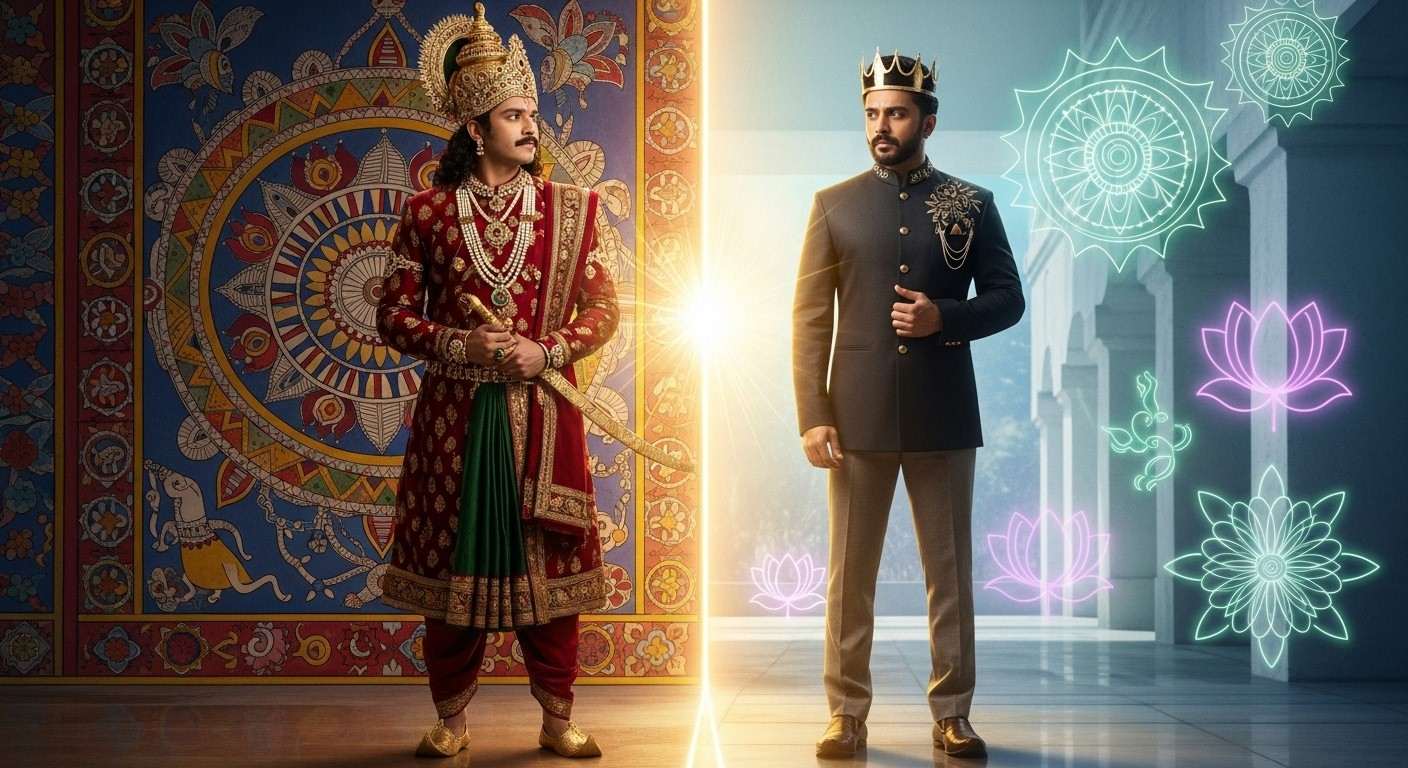
Our ancient scriptures are a treasure trove of wisdom, and the legendary narratives found within the Mahabharata continue to captivate the hearts of Indian families. This timeless epic explores profound human emotions, highlighting the delicate balance between worldly desires, bounden duties, and the ultimate quest for spiritual redemption. Today, we bring you a heartfelt comparison of two monumental adaptations that have deeply enriched our literary heritage: Vishnu Sakharam Khandekar’s celebrated 1959 novel and Girish Karnad’s brilliant 1961 theatrical masterpiece. Both works beautifully bridge our rich past with contemporary life, resonating powerfully with today’s culturally rooted audience.
The Core of the Ancient Mythological Story
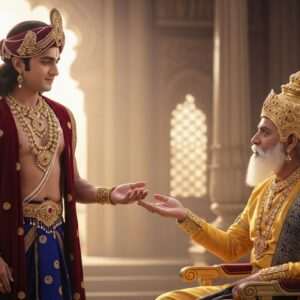
At the heart of this ancient narrative is a powerful king who faces a devastating curse of premature old age from Sage Shukracharya. Driven by a lingering thirst for life’s pleasures, he famously borrows the vibrant youth of his devoted son, Puru. This poignant exchange perfectly captures the eternal tension between insatiable desire and profound sacrifice. It serves as a spiritual mirror, reflecting a moral dilemma that every generation must navigate. Ultimately, the king’s journey leads to a deeply emotional realization that true fulfillment and lasting peace only come from embracing one’s natural destiny and accepting the passage of time.
V.S. Khandekar’s 1959 Masterpiece: A Psychological Journey
Written in 1959, Khandekar’s award-winning Marathi novel offers an incredibly nuanced, psychological exploration of the characters. The author brilliantly delves into the protagonist’s insatiable lust and existential discontent, presenting him as a reflection of the modern individual who is perpetually chasing fleeting pleasures. The narrative beautifully contrasts Devayani’s possessive jealousy with Sharmishtha’s selfless, pure-hearted devotion.
By utilizing multiple narrators, the book expands upon the original epic to provide a multidimensional look into the consequences of personal choices. Khandekar critiques societal norms and the emptiness of a society obsessed with avarice, reminding us of the fleeting nature of worldly happiness. This profound literary work, which rightfully earned the Jnanpith Award, culminates in a spiritually uplifting ending where the king meets Yudhishthira and is mercifully freed from his burdensome curse.
Girish Karnad’s 1961 Play: A Theatrical Reflection of Society
Debuting on stage in 1961, Girish Karnad took a profoundly different route, focusing his narrative intensely on the themes of social responsibility and the absurdity of modern life. Karnad takes brilliant creative liberties with the original myth, adding fascinating new characters like Chitralekha and Swarnalata to give the story a vibrant, contemporary appeal. Confined to a tight, dramatic time frame, the play zeroes in on the symbolic transplantation of age.
The theatrical interpretation boldly highlights generational conflicts, questioning parental authority while delving into deep-seated issues of caste, class, and the oppression of women under a patriarchal order. In this gripping rendition, the protagonist is forced to confront the devastating consequences of his reluctance to let go of worldly obsessions. The narrative reaches a heart-wrenching climax, as the king finally accepts his old age and realizes his grave mistakes following the tragic death of Chitralekha.
A Comparative Look: Novel Versus Play
While both adaptations draw from the same sacred well of mythology, they offer distinct, enriching perspectives that cater to different dimensions of the human experience. Let us look closely at how they differ:
- Psychological Depth versus Social Responsibility: The 1959 novel provides a profound psychological exploration of its characters, deeply critiquing societal norms through a moral lens and highlighting internal struggles. On the other hand, the 1961 theatrical adaptation zeroes in on the theme of responsibility, boldly addressing complex external issues of caste, class, and the patriarchal oppression of women in society.
- Narrative Expansions and Character Innovations: Khandekar’s book lovingly expands the original epic with multiple narrators, crafting a multidimensional love story intricately interwoven with moral ambiguities. Conversely, Karnad’s play dramatically alters the storyline within a tightly compressed time frame, strategically introducing new figures like Chitralekha and Swarnalata to enhance its contemporary relevance and emotional impact.
- Contrasting Character Arcs and Resolutions: In the novelistic approach, the protagonist represents the eternally discontented modern individual, eventually finding peace and freedom from his curse upon a divine meeting with Yudhishthira. In stark contrast, the stage play forces the king to confront the devastating real-world consequences of his desires, culminating in a poignant realization of his mistakes following the tragic and sobering demise of Chitralekha.
Embracing Our Roots: Connecting Tradition with Everyday Life
As we reflect on these profound literary masterpieces, we are reminded of the immense value of keeping our ancient wisdom and sacred rituals alive in our homes. Just as these timeless stories connect the past with the present, we at Poojn aim to seamlessly bridge authentic Indian traditions with modern convenience.
For families who cherish their cultural heritage and seek pure, authentic items for their daily rituals, our online platform is dedicated entirely to your spiritual needs. We proudly offer an extensive collection of high-quality Dashakarma bhandar goods and traditional puja items, ensuring that your spiritual practices are performed with the utmost sanctity. Please note that we exclusively sell cultural goods through our online store; we do not provide travel packages, guidance services, or VIP darshan arrangements at temples.
To explore our culturally rooted collection and bring the essence of tradition into your home, please visit https://www.poojn.in today. Should you have any questions or need assistance finding the perfect items for your rituals, please feel warmly welcome to contact us at 03369029784 or simply send us a message on WhatsApp at 9476142738. We are always here to serve your cultural needs with devotion and respect.
Frequently Asked Questions About the Epic Adaptations
The Enduring Significance in Modern Culture
This legendary narrative from our epics remains deeply significant because it fearlessly explores the universal human condition. It touches upon the delicate balance between worldly desires, familial duties, and the ultimate quest for inner peace, making it a beloved subject that continually resonates with our modern Indian values and everyday struggles.
Contrasting the Two Literary Masterpieces
The core difference lies in their central focus and narrative approach. The novel takes a deep dive into the internal, psychological struggles of the characters and their existential discontent, whereas the stage play leans heavily into social dynamics, highlighting issues of caste, gender, and the moral dilemmas surrounding personal responsibility.
Central Themes of the 1959 Novel
The Marathi masterpiece intricately weaves themes of insatiable desire, profound sacrifice, and the inescapable consequences of one’s actions. It beautifully highlights the fleeting nature of happiness derived from material pleasures, prompting readers to reflect on the true meaning of spiritual fulfillment and duty.
The Theatrical Arc of the King
In the 1961 drama, the ruler’s character arc is profoundly moving and tragic. He evolves from a self-centered individual clinging desperately to his youth, into a broken man who finally understands the futility of his obsessions. His journey of introspection reaches a devastating peak when he is forced to accept the natural course of life following the heartbreaking loss of Chitralekha.
The Timeless Relevance of the Story
This ancient wisdom continues to serve as a guiding light for today’s generation. It beautifully addresses universal themes such as the endless pursuit of happiness, the weighty impact of our personal choices, and the eternal conflict between selfish desires and our sacred responsibilities to our loved ones. These lessons remain remarkably relevant in navigating the complexities of contemporary society.